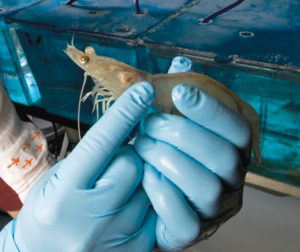
Animal byproducts can provide cholesterol for shrimp feed
Animal byproducts like blood meal, meat and bone meal and other rendered products are good sources of cholesterol for use in aquaculture feed.
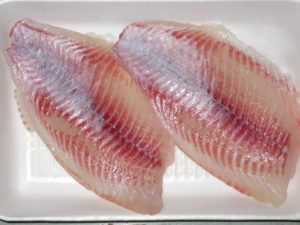
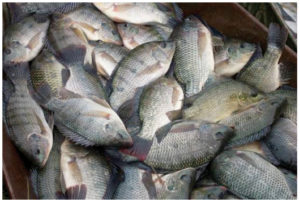
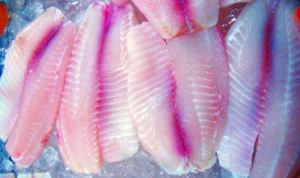
In studies, the physical and sensory qualities of fillets from tilapia fed diets with 100 percent substitution of fish oil with various palm oil fractions were generally not affected by the change of dietary oil source.
Animal byproducts like blood meal, meat and bone meal and other rendered products are good sources of cholesterol for use in aquaculture feed.
A survey found that many large retailers see the sustainable feed issue as a major challenge. Sustainable Fisheries Partnership recommends greater visibility for the entire supply chain and more industrywide policies.
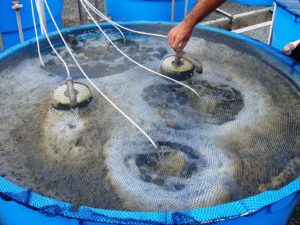
Fixed microbial communities grown as periphyton on immersed substrates present advantages in terms of pond productivity and carbon and nutrient absorption from water. Periphyton can reduce feed inputs as well as increase growth and survival rates in shrimp.
Dietary lipids are important sources of energy and the essential fatty acids needed by fish for growth and development.
The substitution of plant proteins and oils for fishmeal and fish oil can result in minimal changes to proximate compositions in various fish. However, the muscle fatty acid composition usually reflects that of the diet.
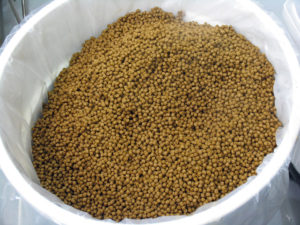
In a study, the authors evaluated the stability of six commercial feeds under temperature and salinity conditions that occur at most shrimp farms in Brazil.
Through two lab trials, the authors examined the potential of feed additives to increase growth and feed utilization in Nile tilapia.
By feeding different oils at different points in a fish's life cycle, such as finishing feeds, farmers can tailor the composition of fillets to maximize value and minimize fish oil use.
Biotechnology offers a potential avenue to overcoming the negative traits of seeds and enhancing feed performance to improve fish health.
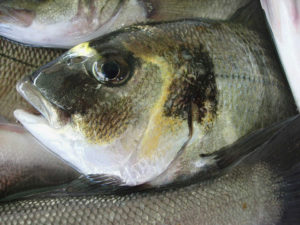
In a study with gilthead sea bream, two test diets used primarily soy products as sources of protein and fat against a reference feed based largely on fishmeal and fish oil.
The National Oceanic and Atmospheric Administration and U.S. Department of Agriculture joined forces through the NOAA-USDA Alternative Feeds Initiative to identify feed ingredients that will reduce the amount of fishmeal and fish oil in aquaculture feeds while maintaining the human health benefits of seafood. Through research on a variety of sources, promising alternatives are beginning to emerge.
The authors performed nutrition studies to determine a maximized efficiency of yield in spotted sea trout. Fry were “forced” to swim against a steady current to gauge the effectiveness of increased exercise.
In a white shrimp farm trial in a low-salinity environment, alternatives to fishmeal did not negatively impact the growth, survival or FCR of the shrimp.
Most marine fish have pelagic eggs with large pools of free amino acids of fairly constant proportion regardless of species. The amino acids provide energy for metabolism and are an important nutritional asset for growing embryos.
Recent research by the authors evaluated strategies to reduce fishmeal and fish oil in diets for red drum by substituting terrestrial proteins and lipids while maintaining beneficial fatty acids with DHA supplements derived from marine algae.