A look at corn distillers dried grains with solubles
Corn distillers dried grains with solubles are an economical source of energy, protein and digestible phosphorus to reduce feed costs and fishmeal usage.
Since feed costs can contribute up to 60 percent of the expenses for an aquaculture business, it is common for farms to purchase lower-cost feeds.
Corn distillers dried grains with solubles are an economical source of energy, protein and digestible phosphorus to reduce feed costs and fishmeal usage.
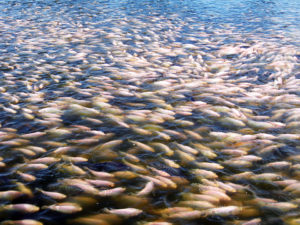
As more-intensive methods for tilapia and catfish culture become popular in Namibia, practical diets need to be formulated using local ingredients such as maize, millet, wheat bran and fishmeal to reduce feed costs.
Herbivorous or omnivorous fish like tilapia can be fed lower-energy and lower-protein diets because they consume higher amounts of feed than carnivores.
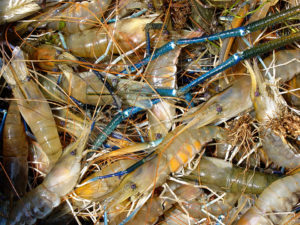
Low-input culture practices for freshwater prawns can manage their growth and biological characteristics so they can be fed no fishmeal or fish oil.
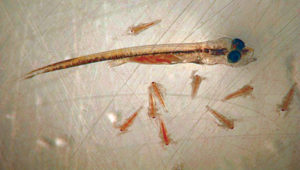
Live diets for reared marine larvae must be cost-effective and versatile while providing good nutrition and being easily captured and digested. Copepods offer superior nutritional value, but their rearing requires space and is laborious.
Microminerals participate in a variety of biochemical processes and must be supplied in prepared diets to support optimal growth and production efficiency.
A study of shrimp feeding demonstrated the digestibility of byproducts prepared from salmon livers, salmon milt, black cod viscera and arrowtooth heads and viscera from Alaskan fisheries processing plants.
The authors conducted a study to determine how replacement of salmon meal with various animal protein meals in feed affected the growth performance of white shrimp.
Cottonseed meal is high in protein and less expensive than fishmeal and soybean meal. Cotton plants can be engineered without gossypol in their seeds.
About 30 percent of global microalgae production goes to animal feeds, with large applications in aquaculture, particularly for larval stages.
In its efforts to advance sustainable aquaculture practices and the use of soy-based feeds in Southeast Asia, the American Soybean Association International Marketing Program (USAIM) has identified several challenges.
Simple economic modeling can show that by considering aquaculture production inputs as investments rather than costs, opportunities for increased profits can be quickly identified.
Solid-state microbial fermentation for upgrading nutritional characteristics of raw plant materials is a potential pretreatment for animal feeds.
India's fish-farming industry makes limited use of modern feeds, providing potential for the feed sector to grow. Commercial feeds are predominantly used for pangasius farming, followed by a rising popularity in carp culture.
In a trial, lipid oxidation and metmyoglobin formation in the dark meat of yellowtail during chilled storage were significantly controlled by feeding mushroom extract to the fish as a supplement.