


Study: Marine heatwaves pose growing risks to seafood safety and human health

Researchers warn marine heatwaves can affect seafood safety and production while creating physical and mental health risks for coastal communities
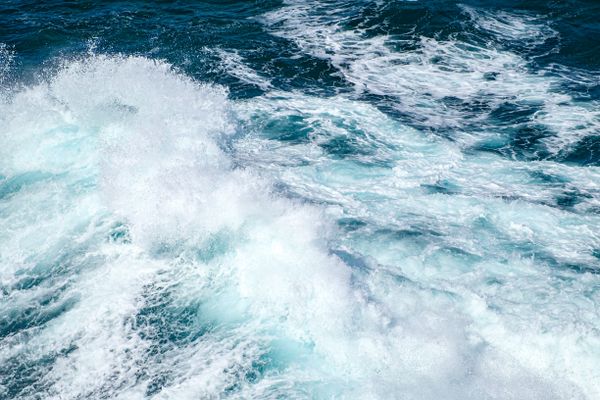
Marine heatwaves could pose a growing threat to human health by disrupting seafood supplies, contributing to harmful algal blooms and intensifying extreme weather, according to research from Adelaide University and the University of Hong Kong.
The study, published in Nature Sustainability, outlines several ways marine heatwaves can affect people, from reducing the availability and safety of seafood to disrupting coastal livelihoods and contributing to mental health challenges in communities that depend on the ocean. The researchers argue that the physical and mental health risks associated with marine heatwaves should be treated as a climate concern requiring proactive measures.
The researchers argue that the health effects of prolonged periods of unusually warm ocean temperatures have received less attention than their impacts on marine ecosystems, fisheries and aquaculture.
“Marine heatwaves are no longer just recognized as an environmental issue; they are increasingly also perceived as a human health issue,” said Laura Falkenberg, lead author and lecturer at Adelaide University’s School of Physics, Chemistry and Earth Sciences. “Our paper highlights that these events can influence people’s health in many different ways, both directly and indirectly.”
![Ad for [Aquademia]](https://www.globalseafood.org/wp-content/uploads/2025/07/aquademia_web2025_1050x125.gif)
Marine heatwaves have become more frequent, longer-lasting and more intense as the climate warms, according to the researchers. The events have been linked to coral bleaching, mass mortality of marine life, harmful algal blooms and disruptions to fisheries and aquaculture.
Those environmental changes can also affect seafood production and safety. The researchers said harmful algal blooms associated with marine heatwaves can contaminate seafood and pose health risks, while declining fish stocks and reduced seafood production could have longer-term consequences for food security.
Are marine heatwaves causing Pacific cod to reproduce and hatch earlier?
The study also points to extreme weather as another potential pathway through which unusually warm oceans can affect people. The researchers cited Hurricane Otis, which rapidly intensified before striking Mexico in 2023, and Typhoon Doksuri, which affected more than two million people across Asia that year, as events linked to marine heatwaves.
“[Marine heatwaves] can intensify storms and atmospheric heatwaves, affect the availability and safety of seafood, disrupt livelihoods and contribute to anxiety, grief and other mental health impacts in communities that depend on healthy oceans,” said Falkenberg. “Many people rely on healthy oceans not only for food and income, but also for recreation, cultural identity and their overall sense of well-being.”
“When marine ecosystems suffer, the impacts ripple through communities,” said Falkenberg. “We are seeing increasing evidence that these changes can contribute to eco-anxiety, grief and other mental health challenges, particularly for people who feel deeply connected to the marine environment.”
In South Australia, researchers have also linked a major toxic algal bloom to physical and mental health effects in coastal communities. The 2025 bloom was associated with respiratory irritation and asthma as well as reports of grief, frustration, depression and “eco-anxiety,” according to the researchers.
The researchers are calling for governments and public health agencies to prepare for marine heatwaves in ways similar to how they plan for heatwaves on land. Their recommendations include incorporating marine heatwave forecasts into public health planning, considering health effects in marine and coastal management decisions and improving coordination among ocean scientists, health authorities and resource managers.
“Recognizing these health impacts is the first step towards better protecting communities,” Falkenberg said. “If we only respond after disasters occur, we will continue to experience greater impacts than if we had acted proactively. By understanding the links between ocean health and human health, we can develop better policies that protect both people and the marine ecosystems they depend on.”
Now that you've reached the end of the article ...
… please consider supporting GSA’s mission to advance responsible seafood practices through education, advocacy and third-party assurances. The Advocate aims to document the evolution of responsible seafood practices and share the expansive knowledge of our vast network of contributors.
By becoming a Global Seafood Alliance member, you’re ensuring that all of the pre-competitive work we do through member benefits, resources and events can continue. Individual membership costs just $50 a year.
Not a GSA member? Join us.
Author

Related Posts
Fisheries
Fisheries ecosystems responses to marine heatwaves and other extreme events
Understanding the consequences of extreme events throughout marine ecosystems is necessary for effective, holistic and sustainable management.
Innovation & Investment
Tool aims to predict effects of marine heatwaves, improve fisheries management
Scientists have developed an ocean management tool that provides real-time predictions of how top predators shift during marine heatwaves.
Fisheries
Study: Fisheries managers should expect volatility due to marine heatwaves
With marine heatwaves on the rise, a new study presents a roadmap on what scientists, fisheries managers and policymakers should prioritize.
Responsibility
An iron in the fire: How iron sulfide could turn fish farms into climate solutions
Researchers say mussels and iron sulfide enhancement on fish farms and could sequester hundreds of millions of tons of carbon dioxide.