


‘Climate warming is pushing seaweed aquaculture to rethink geographic and biological limits’

Expanding wakame south: A subtropical seaweed aquaculture cultivation breakthrough has been reached in China
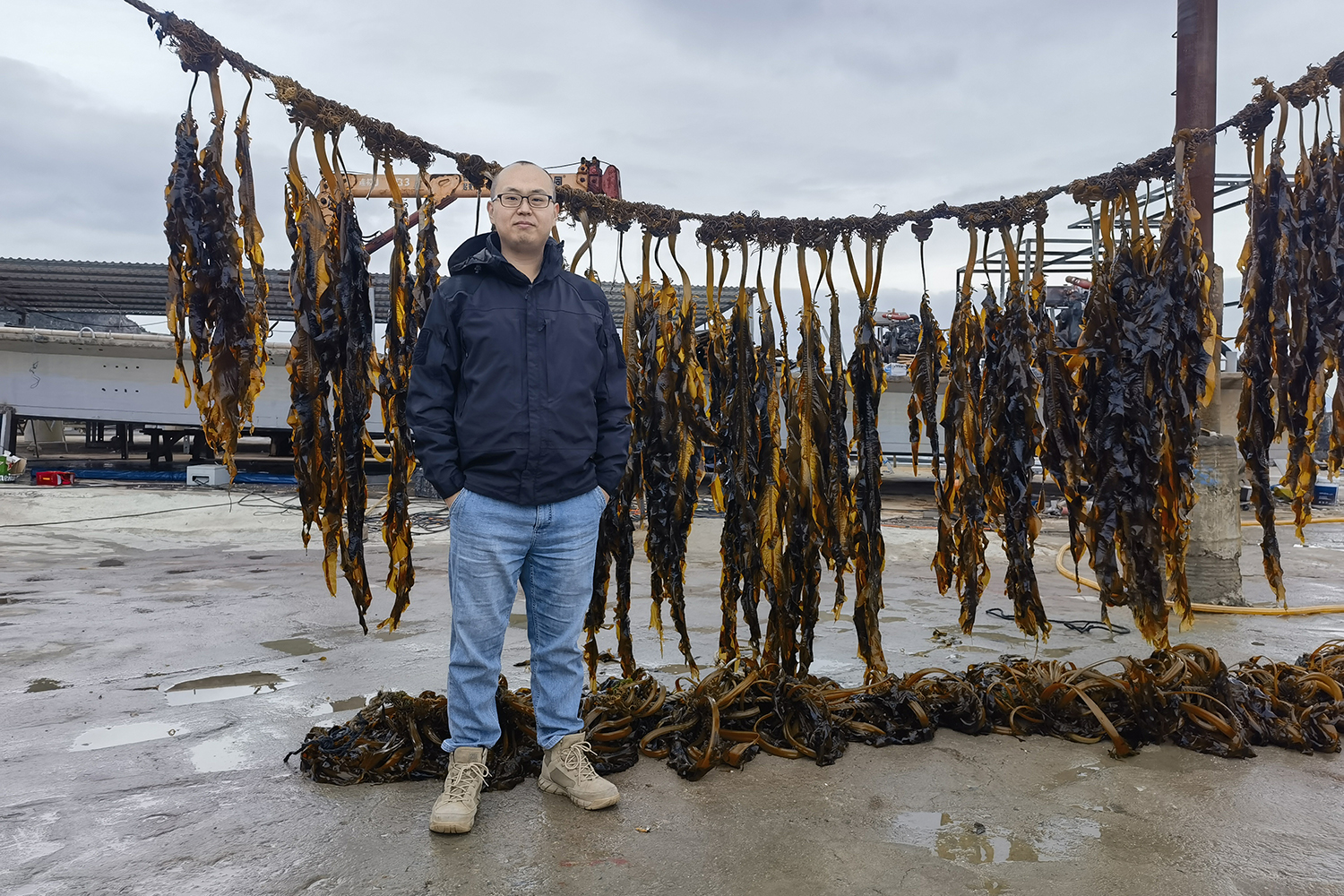
In China, seaweed farming is both economically and strategically important. It provides food, supports coastal employment and underpins a broader mariculture economy that includes processing, seedling production, marine ranching and adjacent sectors producing with abalone, sea cucumber and sea urchin.
Wakame (Undaria pinnatifida) farming is concentrated in northern temperate provinces, with Liaoning producing 74 percent and Shandong 25 percent of national output. However, these areas are also major production zones for kelp (Saccharina japonica), meaning that the two crops compete for similar farming space and seasonal windows, although not exactly at the same time. In practice, wakame is typically clipped, outplanted and harvested earlier than kelp, with kelp harvests generally beginning toward the end of the wakame season. This overlap limits the expansion of wakame cultivation, even as demand continues to rise, making it increasingly important to develop production in new regions.
Against this backdrop, a research team from the Institute of Oceanology, Chinese Academy of Sciences (IOCAS) in Qingdao has demonstrated that wakame can be grown to market size in subtropical Fujian province using clonal seedlings and a winter cultivation strategy.
“There were three main motivations behind our work,” Dr. Xiaodong Li at IOCAS told the Advocate. “Firstly, wakame is an important edible seaweed with excellent nutritional and commercial value. Secondly, China has already successfully moved kelp southward to Fujian, where it later became a major aquaculture crop. That experience led us to ask ourselves whether wakame could also be cultivated successfully in Fujian if the production window and seedling strategy were adjusted appropriately. Thirdly, developing a new species could diversify Fujian’s seaweed sector and create an additional source of income for coastal farmers and companies.”
![Ad for [BSP]](https://www.globalseafood.org/wp-content/uploads/2025/07/BSP_B2B_2025_1050x125.jpg)
Fujian proved to be an ideal location for the project due to its combination of established raft-culture infrastructure, experienced farming communities, and a well-developed harvesting and processing industry. The region’s winter temperatures are also suitable for wakame growth, while the summer seawater temperatures exceed the species’ critical thermal limits. This prevents the establishment of a self-sustaining wild population in the local natural environment.
The team used clonal gametophyte lines of the cultivar Haibo No. 1. Male and female gametophytes were mixed, fragmented and grown on nursery ropes under controlled conditions. Once the young sporophytes reached roughly 1.5 to 2.0 cm, they were transported from Qingdao to Fujian and deployed offshore in December 2023. After one month, when they had reached about 30 cm, some of them were transferred to an individual clipping treatment for comparison. Cultivation continued until March 2024, when morphology, yield and biochemical composition were assessed.
Maine seaweed farming company secures a kelp dryer and promptly decides to share it
“The key technical point was timing,” said Li. “We had to precisely match the crop’s biological cycle to the local seawater temperature window, working backward from the outplanting date based on both temperature records and farming experience.”
In yield terms, the results were encouraging. By early March, the fronds averaged about 190.7 cm in length, had developed normally and showed a biochemical profile consistent with food use. Market response has also been positive, said Li, with several companies contacting the team about seedling supply for follow-up cultivation.
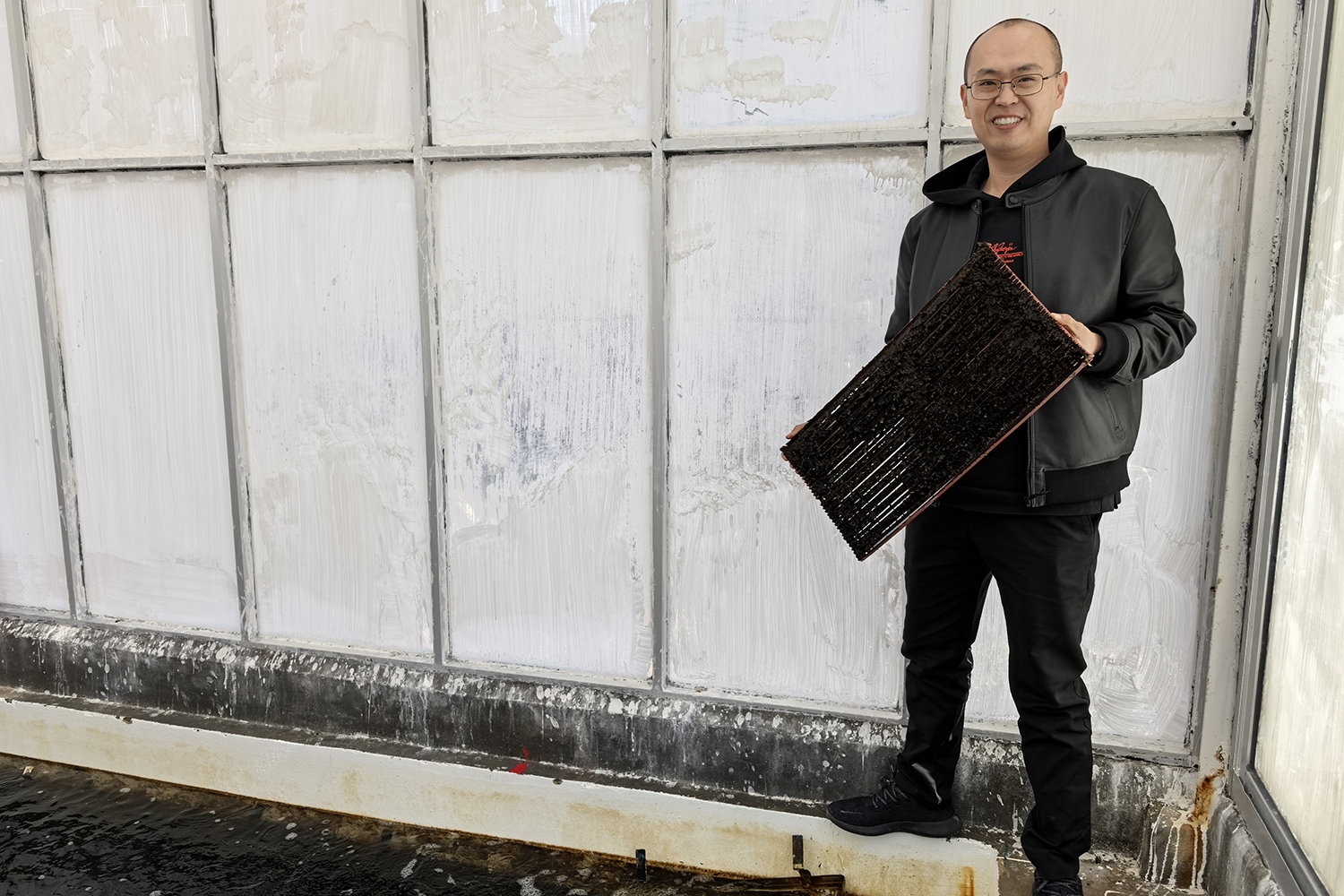
The study provides strong field evidence that wakame cultivation can expand into subtropical regions, helping to diversify production, extend farming opportunities and ease spatial pressure in northern areas. The study also involved strong collaboration with Fujian-based research and extension partners, while local farming companies participated in the offshore cultivation stage. Farmers also recognized that wakame could be integrated into existing kelp farming systems, as the raft infrastructure and offshore operating practices are highly compatible, making adoption relatively straightforward. This kind of diversification is attractive because it also creates a new market opportunity while reducing dependence on a single crop.
“Our results suggest that wakame cultivation may be feasible not only in northern temperate zones but also in subtropical regions like Fujian, and potentially in other regions with a suitable winter temperature window,” said Li. “This gives farmers a new species option within existing systems, so they don’t have to rely on a single crop.”
Expanding southward could also relieve space constraints in northern China, where kelp and wakame overlap. Li noted that this is not about extending the growing season indefinitely but about opening new farming zones and creating a more diversified production structure.
Looking ahead, several challenges remain. Seedstock localization is critical, requiring a reliable local supply system and continued evaluation of cultivar performance. Mechanization is also needed, as seaweed farming remains labor-intensive and costs are rising. Improvements in deployment, harvesting and handling will also be key to competitiveness.
Product development is another opportunity. While the southern crop meets quality standards, there is potential to create differentiated products. One approach is harvesting younger, more tender whole plants, which could shorten production cycles, reduce post-harvest sorting and labor costs, and create a distinct product with a higher unit value.
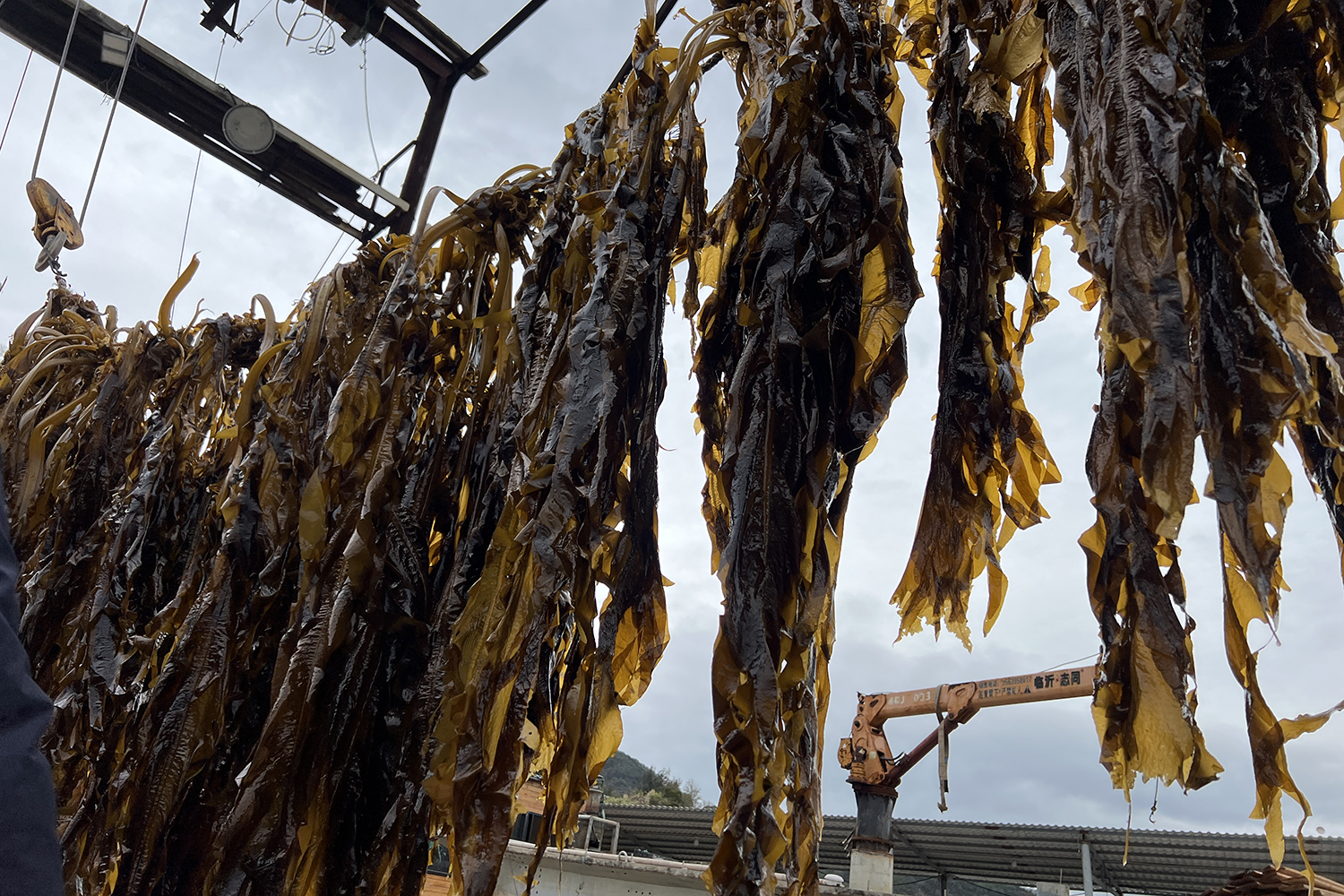
In addition to the study, the team has continued follow-up work on localized seedling production and the testing of cultivation techniques in Fujian.
“Our priority is to develop localized seedling cultivation in the region by combining clonal propagation with the region’s kelp hatchery infrastructure,” said Li. “During the 2025–2026 season, seedlings were produced from October 17th, 2025, and by January 22nd, 2026, they had reached about one meter, meeting commercial standards for juvenile harvest. This shows that the system is not only feasible but practical at scale.”
Next steps include refining cultivation methods for subtropical conditions, developing improved strains and exploring production models suited to southern markets. The team is also open to international collaboration.
“Climate warming is pushing seaweed aquaculture to rethink geographic and biological limits,” said Li. “This is not just a regional issue for China, but part of a wider global discussion.”
Now that you've reached the end of the article ...
… please consider supporting GSA’s mission to advance responsible seafood practices through education, advocacy and third-party assurances. The Advocate aims to document the evolution of responsible seafood practices and share the expansive knowledge of our vast network of contributors.
By becoming a Global Seafood Alliance member, you’re ensuring that all of the pre-competitive work we do through member benefits, resources and events can continue. Individual membership costs just $50 a year.
Not a GSA member? Join us.
Author
-

Senior Writer Bonnie Waycott became interested in marine life after learning to snorkel on the Sea of Japan coast near her mother’s hometown. She specializes in aquaculture and fisheries with a particular focus on Japan, and has a keen interest in Tohoku’s aquaculture recovery following the 2011 Great East Japan Earthquake and Tsunami.
Related Posts
Responsibility
Lean and green, what’s not to love about seaweed?
Grown for hundreds of years, seaweed (sugar kelp, specifically) is the fruit of a nascent U.S. aquaculture industry supplying chefs, home cooks and inspiring fresh and frozen food products.
Intelligence
Exploring the relevancy, resiliency and scalability of seaweed farming at Seagriculture
Seagriculture, the first international seaweed conference, covers all angles of seaweed farming for food, energy and climate change solutions.
Responsibility
Can ranching ‘zombie urchins’ boost uni, save kelp forests?
With Norwegian knowledge and a partnership with Mitsubishi, Urchinomics aims to turn worthless empty urchins into valuable seafood while restoring kelp forests and creating jobs.
Fisheries
‘It’s been done for decades’ – How the upcoming Fukushima water release could impact Japan’s fishing industry
In Japan, discussions continue and concerns grow as authorities prepare for the Fukushima water release into the Pacific Ocean.