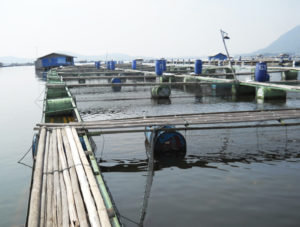
Modeling aquaculture carrying capacity in Southeast Asia
The modeling of common water bodies to determine aquaculture carrying capacity has been identified as a critical need for countries in Southeast Asia.



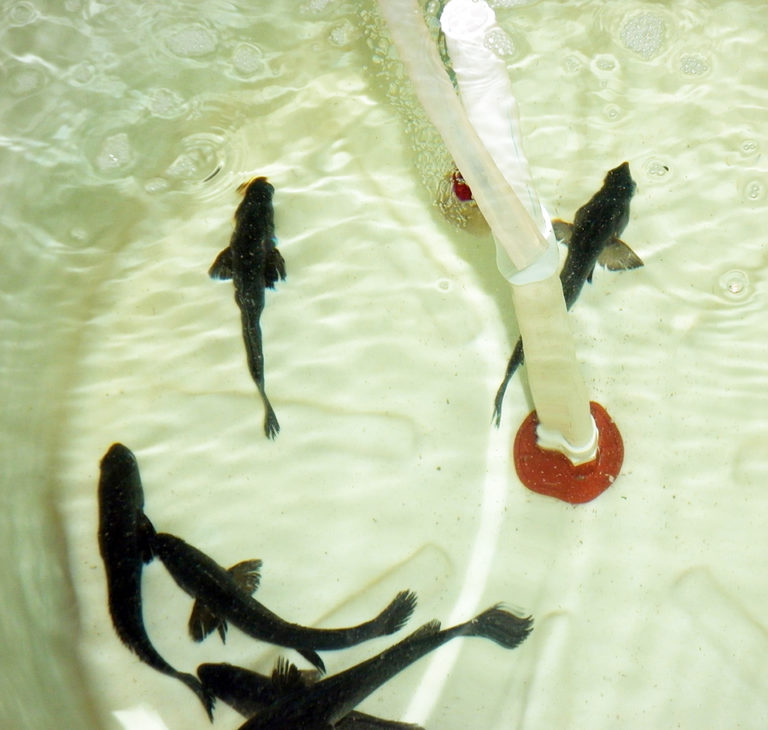
Totoaba, a large, fast-growing fish of the Gulf of California, became endangered due to overfishing. The Mexican government therefore created an aquaculture program in Baja California to support restocking for the recovery of wild totoaba stocks.
The modeling of common water bodies to determine aquaculture carrying capacity has been identified as a critical need for countries in Southeast Asia.
The silicon plants take up in silicic acid from water strengthens cell walls. Among the phytoplankton, diatoms particularly need silicon.
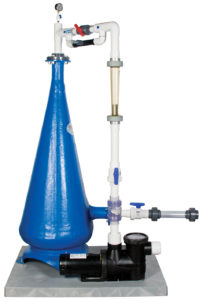
The ability to maintain adequate oxygen levels can be a limiting factor in carrying capacities for RAS. The amount of oxygen required is largely dictated by the feed rate and length of time waste solids remain within the systems.
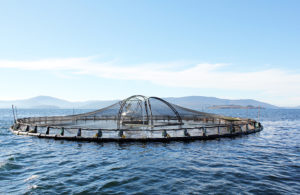
Countries seeking offshore aquaculture development must comply with requirements to prevent and control pollution. LOS articles grant coastal states the right to construct aquaculture facilities within their exclusive economic zones and ban others from construction there.
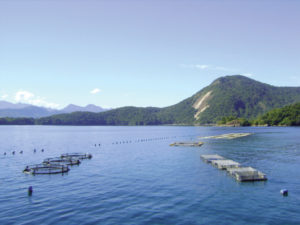
A partnership among the private, academic and government sectors is advancing the development of mariculture in Rio de Janeiro, Brazil. Ongoing projects include a marine fish hatchery, demonstration unit and experimental integrated multi-trophic aquaculture system.
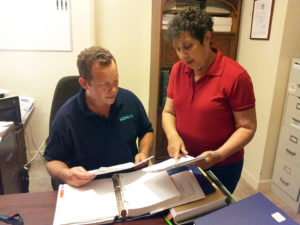
One of the most important ways to prepare for certification audits is through staff meetings that review job descriptions and management practices, as well as employee behavior, such as hygiene and record keeping. Internal auditing is also key to a positive outcome for audits.
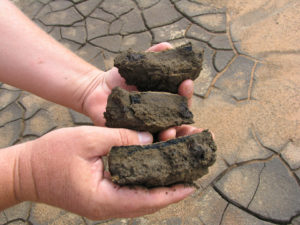
Hydrogen sulfide, which can form in pond bottom sediment, is toxic to aquatic animals because it interferes with reoxidation of cytochrome a3 in respiration.
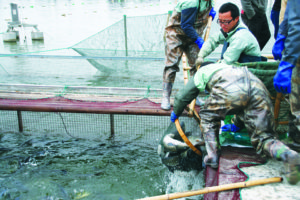
An in-pond raceway system for intensive pond aquaculture was successfully demonstrated in China by the international marketing program of the U.S. Soybean Export Council.
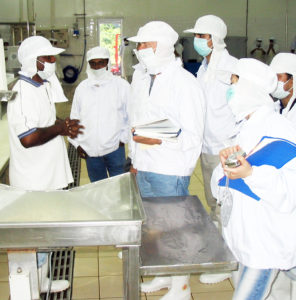
Private aquafeed certification standards have been developed to bring trust and demonstrate responsible industry practices among aquafeed manufacturing stakeholders.
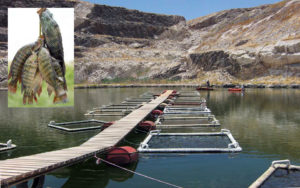
A farm project in Namibia established at a lake formed by an old tin mine incorporates a hatchery facility and grow-out cages to raise tilapia. It utilizes an existing water resource to improve food security and ensures the participation of disadvantaged local communities.
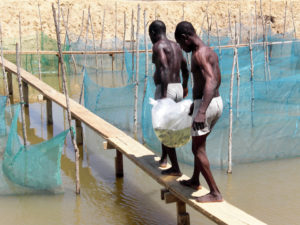
Natural factors, institutional support and a big appetite for fish have all contributed to the growth of aquaculture in Ghana, where about 80 percent of all farmed fish is tilapia.
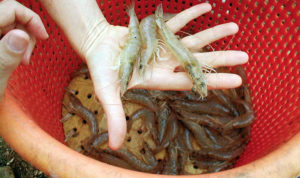
Many consumers look for an eco-label or rely on a trusted retailer or restaurant to identify sustainable seafood. Certification programs convey this assurance by providing consistent information about the origins, food safety and environmental credentials of seafood.
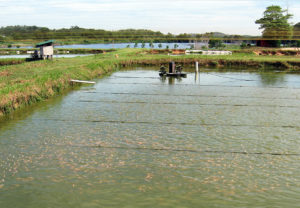
A carbon footprint is an estimate of the total carbon emissions resulting from the production, use and disposal of a product or service. Carbon footprints for aquaculture products result mainly from the use of manufactured feed and mechanical aeration.
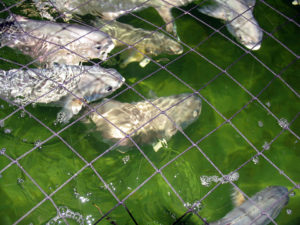
Government policy and regulation are great determiners of whether aquaculture succeeds. Despite the spending of millions of government dollars on research and extension services, aquaculture production in the United States is declining.
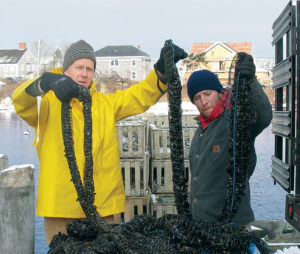
With limited space and carrying capacities available in inshore areas, aquaculture operations are looking into offshore longline mussel aquaculture. In New England, USA, researchers are striving to increase production efficiency and perfect techniques related to mussel socking and eradication of tunicates.