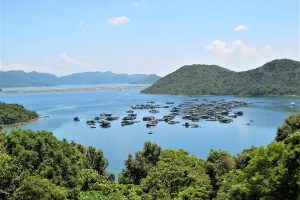
Net carbon emissions and economic growth of marine aquaculture in China
Study results can enhance the ecological value of the marine aquaculture carbon sink and create a “decarbonization space” for sustainable development.



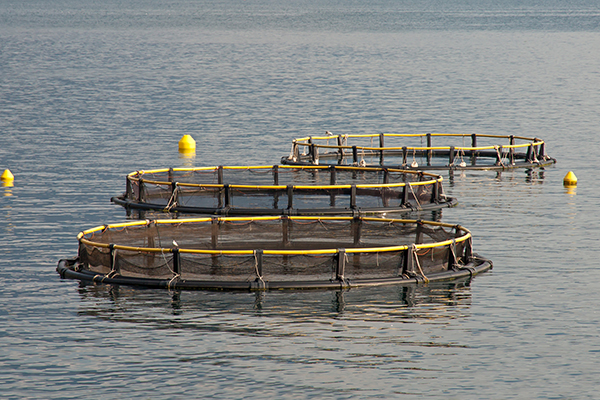
Cermaq Canada and Ahousaht First Nation have renewed a five-year protocol to guide salmon farming practices on the west coast of Vancouver Island, British Columbia.
Study results can enhance the ecological value of the marine aquaculture carbon sink and create a “decarbonization space” for sustainable development.
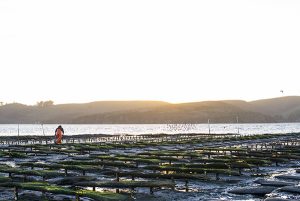
A new study found California shellfish farmers need improved access to data and stronger connections to adapt to the effects of climate change.
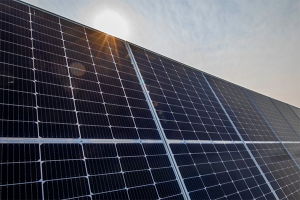
Lightsource bp and Green Rock Energy are collocating a solar energy project at an aquaculture facility in Taiwan.
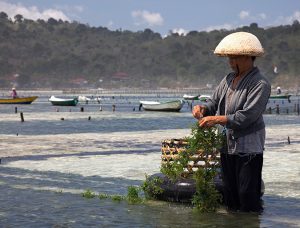
A new study says blue foods are “vital” to the global food system, but are often left out of food system analyses, policies and investments.
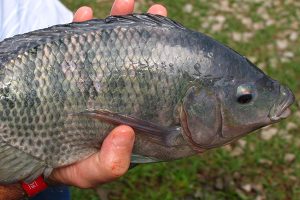
Lattice Aqua and IDH have partnered to improve the "productivity, profitability, and sustainability" of tilapia farming in Kenya.
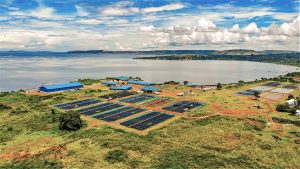
Whether aquaculture can meet global seafood demand depends on the impacts of variables like climate change and marine ecosystem stability.
New research has pinpointed four high-traffic areas in the Pacific Ocean that should be considered "high priority" for marine conservation.
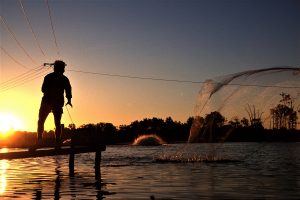
With nutrient recycling, aquaculture can contribute sustainably toward the nutritional requirements of billions of people over the next century.
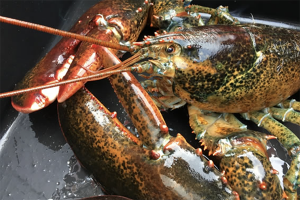
Pictou Landing First Nation will operate a moderate livelihood lobster fishery in Nova Scotia, with the federal government's understanding.
A new study has found that expanding mariculture will be “vital” to ensuring food security, but seafood's future hinges on climate action.
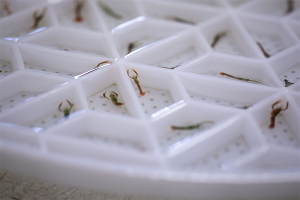
A new type of larval rearing vessel could help improve lobster survival in the hatchery and help support lobster stocks.
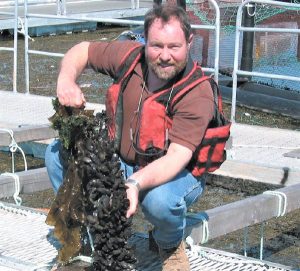
First quantitative estimates for nutrient retention in IMTA systems show a large fraction of released nutrients retained by extractive species and harvested.
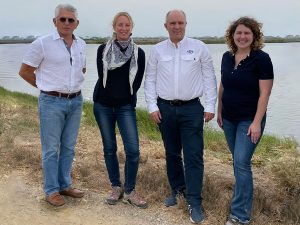
Earthworm Foundation and BioMar are partnering on responsible shrimp projects in Ecuador, including deforestation-free aquafeeds.

Researchers consider the implications of underwater acoustics in restoring marine ecosystems, rebuilding biodiversity and improving fisheries.
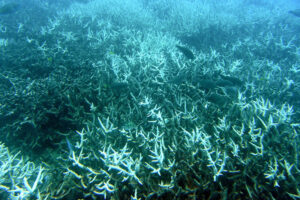
An international team of environmental scientists warn that the world’s coral reefs are likely to disappear by 2050 without climate action.