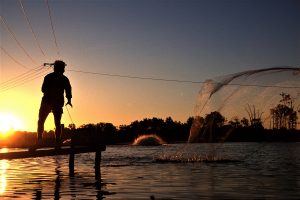
Nutrient recycling and circular economies can support sustainable intensification of aquaculture, part 1
With nutrient recycling, aquaculture can contribute sustainably toward the nutritional requirements of billions of people over the next century.



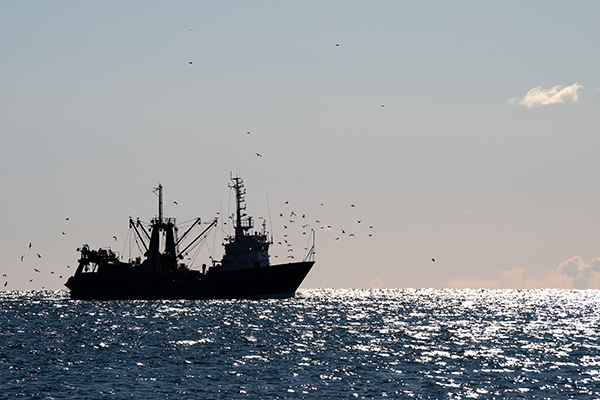
New research has pinpointed four high-traffic areas in the Pacific Ocean that should be considered "high priority" for marine conservation.
With nutrient recycling, aquaculture can contribute sustainably toward the nutritional requirements of billions of people over the next century.
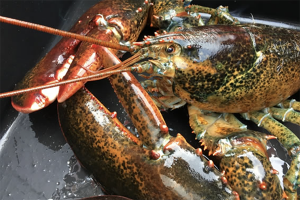
Pictou Landing First Nation will operate a moderate livelihood lobster fishery in Nova Scotia, with the federal government's understanding.

A new study has found that expanding mariculture will be “vital” to ensuring food security, but seafood's future hinges on climate action.
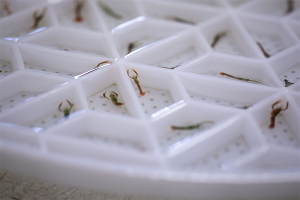
A new type of larval rearing vessel could help improve lobster survival in the hatchery and help support lobster stocks.
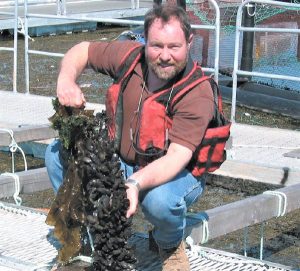
First quantitative estimates for nutrient retention in IMTA systems show a large fraction of released nutrients retained by extractive species and harvested.
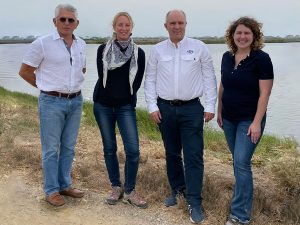
Earthworm Foundation and BioMar are partnering on responsible shrimp projects in Ecuador, including deforestation-free aquafeeds.

Researchers consider the implications of underwater acoustics in restoring marine ecosystems, rebuilding biodiversity and improving fisheries.
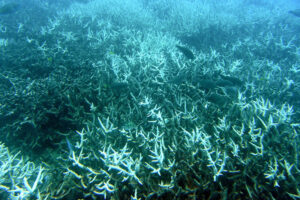
An international team of environmental scientists warn that the world’s coral reefs are likely to disappear by 2050 without climate action.
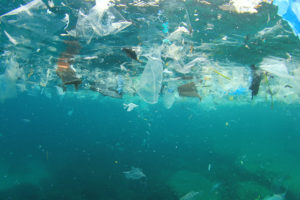
Researchers at Flinders University in Adelaide are warning about the presence of microplastics in both farmed and wild-caught seafood.
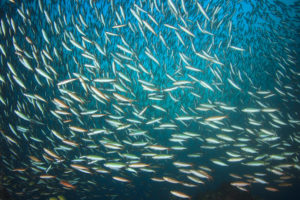
A study found that, as the ocean temperature warms, fish will continue to exist in certain areas but are not likely to be as abundant.
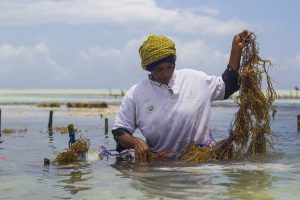
In quantifying habitat provisioning in and around macroalgae cultivation sites, authors recommend future ecological valuation.

With rising sea levels inevitable, aquaculture faces existential uncertainties and confronts its own contributions to the problem.
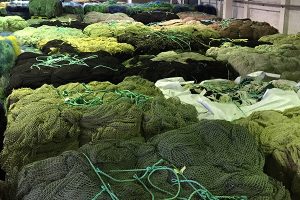
Egersund Net has helped recycle 17,000 metric tons of aquaculture equipment over 12 years, saving an estimated 51,000 metric tons of CO2.
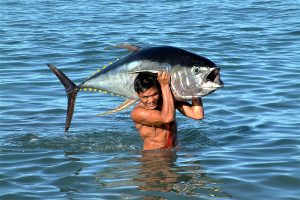
Study argues for the protection of 30 percent of the world’s oceans by 2030 to conserve biodiversity, avoid extinctions and maintain food security.
The European Commission has activated new crisis measures to support the seafood sectors impacted by the Ukraine-Russian war.