Gamma irradiation enhances nutritional value of animal byproducts
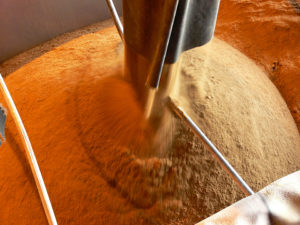
Gamma irradiation treatment presents a possible processing technique for reducing anti-nutrients and improving the nutritive quality of many feed ingredients.
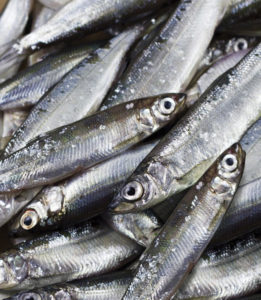
Although its overall production is rising, aquaculture is using less fishmeal and fish oil in feed formulations, and increasing amounts of this fishmeal and oil come from byproducts of fish processing.
Gamma irradiation treatment presents a possible processing technique for reducing anti-nutrients and improving the nutritive quality of many feed ingredients.
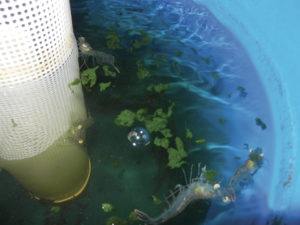
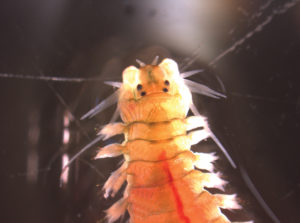
Adaptable and diverse, polychaetes can adapt their feeding behaviors to environmental conditions. Nereis diversicolor, a marine polychaete that can tolerate wide temperature and salinity ranges, is a good candidate for RAS enhancement.
The intrinsic values of better feeds directly affect shrimp growth and performance in a positive way, but because better feeds produce less waste materials in culture systems, they also result in improved water quality that indirectly improves shrimp performance.
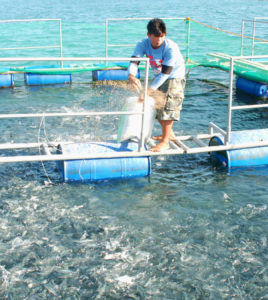
Facing rising aquafeed costs, researchers and farmers are investigating ways to lessen resources spent on feeds by feeding less and feeding differently at small-scale aquaculture operations.
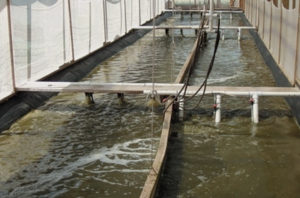
The results of recent feed trial research showed potential profitability for the combination of good shrimp production from a biofloc-dominated super-intensive grow-out raceway system achieved with effective diets.
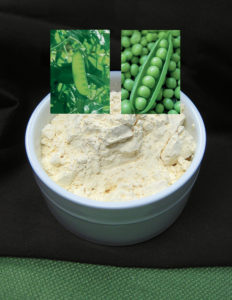
Facing shifting pricing and availability for traditional aquafeed ingredients, formulators are increasingly moving toward alternative starch and protein from plant sources like pea products.
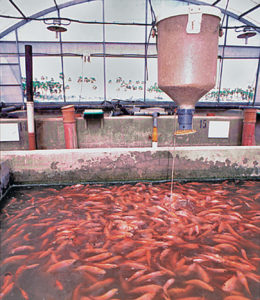
A series of experiments showed that fishmeal is not an essential ingredient in hybrid tilapia feeds and that plant protein-based diets can yield results similar to those obtained with diets containing 10 percent fishmeal.
A study was performed to determine the effects of puerarin, a biologically active ingredient in the roots of kudzu, on stress modulation in farmed salmon.
In a study of juvenile cobia diets, results suggested that lipid sources with high levels of saturated fatty acids and low polyunsaturated fatty acids can replace a large percentage of fish oil in feeds if they are amended with DHA.
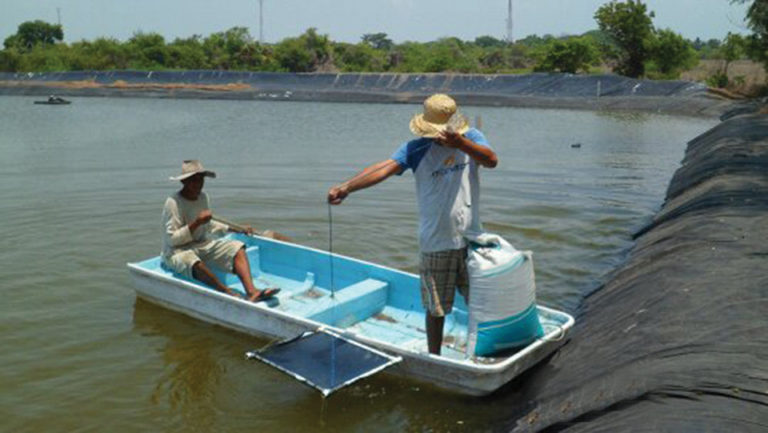
For an intensive shrimp nursery, the main goal in feeding is to supply each animal the proper quantity of feed where it can be easily accessed and consumed.
With the market volatility of fishmeal, as well as rising sustainability concerns, the aquaculture industry is seeking sources of protein, such as animal byproduct concentrates, to substitute for fishmeal.
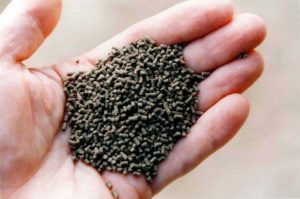
Extrusion manufacturing of aquafeeds has recently seen advances in several areas. The development of new die technology has multiplied hourly output.
Chlorella and other species have potential as protein sources in aquafeeds. In trials with tilapia fry raised in a recirculating system, the fish received a fishmeal-based control diet or feeds with portions of the fishmeal replaced by Chlorella.
A study evaluated the potential of pink salmon testes meal, a fisheries byproduct, as a feed ingredient to replace fishmeal in diets fed to juvenile Pacific threadfin. Results showed the salmon testes meal contained high levels of protein, taurine and arginine.
Identifying sources for essential macro- and micronutrients is important, as well as understanding how best to manufacture feed to required physical specifications when using these new raw materials.