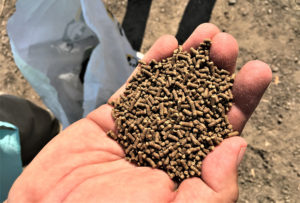
Updating nutritional research strategies for the optimal evaluation of aquafeed ingredients, part 1
Many strategies can be used to assess the nutritional quality of ingredients. The choice, however, can impact the interpretation of that information.




Standardizing the assessment process of aquaculture feed ingredients using a structured approach for assessing their quality.
Many strategies can be used to assess the nutritional quality of ingredients. The choice, however, can impact the interpretation of that information.
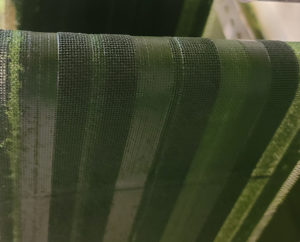
Alabama-based startup is developing a conveyor belt system to culture microalgae in less space than raceways and with a more efficient collection system.
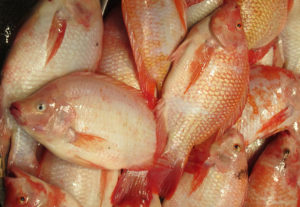
Nutritional study with Nile tilapia compared three microalgal diets to a reference diet containing fishmeal and fish oil levels found in commercial feed.
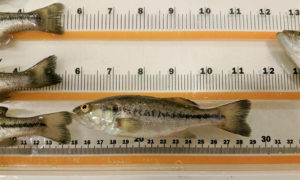
Trials unambiguously demonstrate that marine ingredients can be removed from largemouth bass diets without hampering growth, health or flavor.
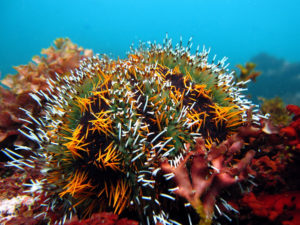
An evaluation of the effects of fresh seaweed diets and manufactured feeds on growth and gonad quality of adult, wild collector sea urchins.
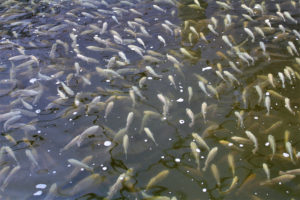
An assessment of the effect of type of dietary non-starch polysaccharides (NSPs) on the productivity of tilapia cultured in ponds.
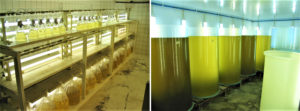
A modeling evaluation of microalgae production costs in aquaculture hatcheries, along with cost reduction and optimization methods.

NovoNutrients will join FEED-X, an initiative to transform the “sustainability performance” of value chains linked to climate change and biodiversity loss.
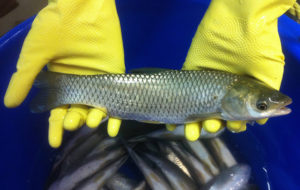
This study evaluated the effects of dietary soybean isoflavones on several production and quality parameters of grass carp flesh.
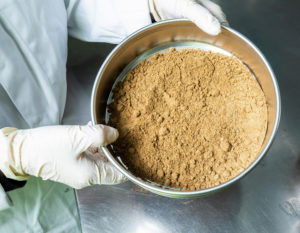
IFFO Director General Petter M. Johannessen says fishmeal and fish oil offer unmatched nutrition and benefits to fuel aquaculture’s growth trajectory.
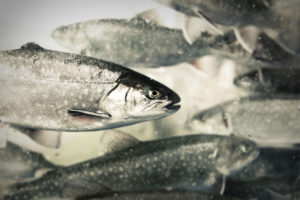
Kevin Fitzsimmons, leader of the F3 (fish-free feed) Challenge, says aquaculture may currently depend on fishmeal and fish oil, but farmed fish do not.
In this study, plant proteins – soybean meal, fermented soybean meal and sesame meal – were evaluated as fishmeal replacements for Pacific white shrimp.
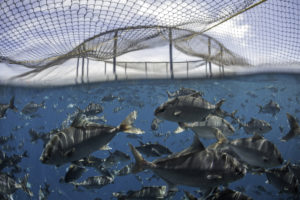
An evaluation of experimental juvenile kampachi (Seriola rivoliana) diets – with zero fishmeal or fish oil – finds significant potential.

Krill has been shown to augment aquafeeds but utilizing and protecting the resource demands specialized equipment and a patient, collaborative approach.
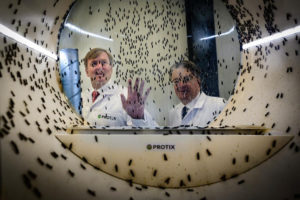
A high-capacity black soldier fly factory puts Protix in position to ramp up production. Investors explain why they’re betting on the sector’s success.