Sustainable feeds: Microalgae as a source of minerals in aquaculture
As seen through the GAIN project, adopting precision aquaculture tools improve feeding strategies and preventative measures for sea bass.



Aquafeeds can be optimized through innovative approaches including machine learning and analysis with multi-criteria decision support tools.
As seen through the GAIN project, adopting precision aquaculture tools improve feeding strategies and preventative measures for sea bass.
Improving aquafeed formulations can augment the sustainability and efficiency of aquaculture production – a new series from the GAIN project.
The true cost of aquafeed and feed ingredients goes beyond dollars, said presenters during GSA’s virtual GOAL session on animal feed production.
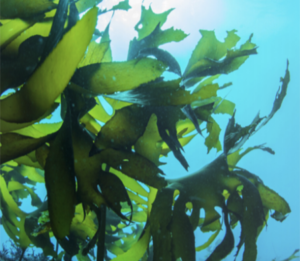
Aquafeed supplier BioMar hits a major sustainability goal by reaching 1 million metric tons of salmon feed containing microalgae.
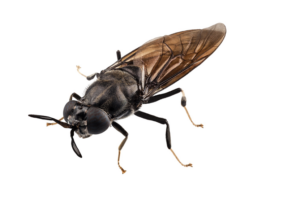
Entoprotech, which uses black soldier flies to process organic waste, announced that Granot is leading its latest funding round.
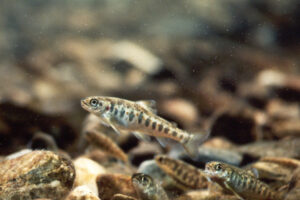
The inclusion of a microalgal biomass in salmon feeds shows potential use throughout the whole production cycle from parr to harvest size.
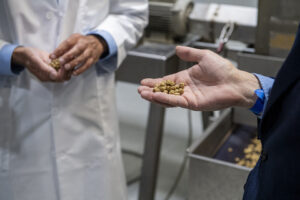
Nofima has launched the Millennial Salmon Project, a collaborative research initiative to develop sustainable ingredients for farmed salmon.
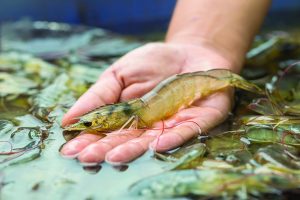
An evaluation of hydrolysates shows that cost-benefit, availability, quality and efficiency must be considered for feeding Pacific white shrimp.
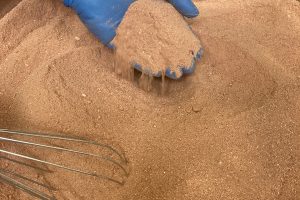
NovoNutrients, a microbial meal producer using industrial waste as an energy source, has secured $9 million in equity to scale production.
An evaluation of the risks of alternative aquafeed ingredients must be considered to enable the production of safe, sustainable and functional aquafeeds.

With a thriving insect industry in France, new opportunities are emerging to advance aquaculture feeds and mitigate environmental challenges.
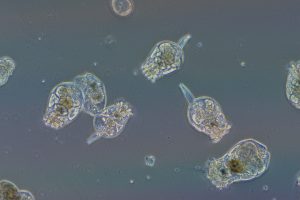
To raise yellowtail and bluefin tuna, a progressively larger feed is required as the fish grow. Japanese researchers are looking to fill the gaps.
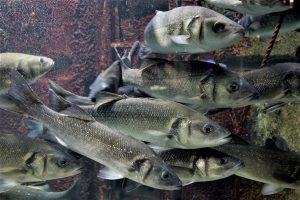
As a protein source and fishmeal replacement in European sea bass diets, a microbial enhanced protein demonstrates cost effectiveness and other benefits.
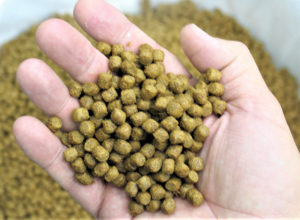
Dr. D. Allen Davis leads an evaluation of potential scenarios and courses of action for feeding fish during disruptions to feed supplies and markets.
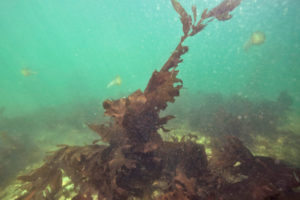
Evaluating macroalgae inclusions in L. vannamei diets show improved growth and intestinal microbiota and prevention of oxidative damage.