


German biotech company targets sea lice via aquafeed treatment

AquaNab to develop Atlantic salmon treatment using alpaca-derived nanoantibodies as alternative to conventional sea lice treatments
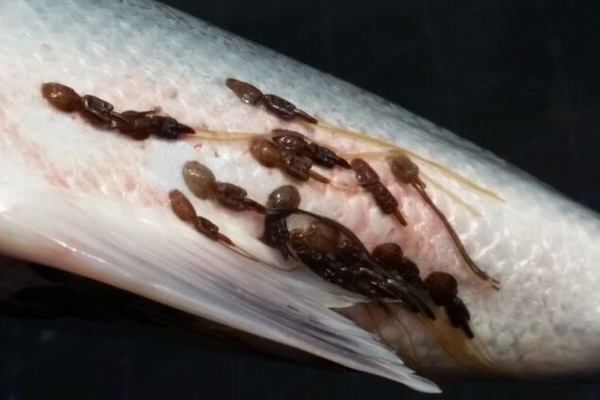
A German biotechnology company is developing a feed-based nanoantibody treatment designed to help salmon farmers control sea lice without conventional chemical or mechanical treatments.
Hamburg-based AquaNab is working on nanoantibodies, called AquaNabs, that can be administered to Atlantic salmon through feed. According to the company, its research has shown that the alpaca-derived nanoantibodies can cross the fish’s intestinal barrier and enter the bloodstream.
The technology is still in development, with AquaNab working toward completing proof of concept for its lead program.
“Animal welfare and fish health remain the biggest challenges facing sustainable aquaculture, and producers need better tools to protect it,” said CEO Dr. Ruth Tamara Montero, an experienced fish immunologist with a PhD from Germany’s Friedrich-Loeffler-Institut.
![Ad for [BSP]](https://www.globalseafood.org/wp-content/uploads/2025/07/BSP_B2B_2025_1050x125.jpg)
Sea lice can affect fish health and add costs associated with treatment, lost production and mortality. AquaNab estimates the parasite costs the aquaculture industry about $4 billion annually.
The company is developing its feed-based technology as an alternative to conventional chemical and mechanical methods used to control sea lice.
“Sea lice is just the start,” said Montero. “Right now, producers are stuck choosing between costly, stressful treatments and losses from the parasite itself. We want to give them a way out of that cycle, one that protects their fish, their business, and helps secure the future of food.”
AquaNab’s first product is being developed for Atlantic salmon, but the company said its nanoantibody platform is designed to be adapted to bacterial, viral and parasitic diseases across multiple aquaculture species.
A shocking innovation: Electric fences show promise in sea lice prevention
The company has secured an investment from Finnish venture capital firm Nordic Foodtech VC to support development of the technology. The size of the investment was not disclosed in the press release. According to AquaNab, the deal marks Nordic Foodtech VC’s first investment outside the Nordic countries.
“AquaNab has the potential to transform not only how disease is managed in aquaculture, but how we think about health and resilience across food production,” said Mika Kukkurainen, partner at Nordic Foodtech. “By turning advanced nanoantibody science into a practical, feed-based solution, the team is creating a pathway from breakthrough biotechnology to measurable outcomes in farming: lower losses, healthier animals, and greater efficiency. This is the kind of technology that can reshape an industry.”
AquaNab said it is expanding collaborations with salmon producers, feed manufacturers and animal health companies as it works toward completing proof of concept. The company is also seeking additional investment to accelerate development of the platform and bring its first products to market.
Now that you've reached the end of the article ...
… please consider supporting GSA’s mission to advance responsible seafood practices through education, advocacy and third-party assurances. The Advocate aims to document the evolution of responsible seafood practices and share the expansive knowledge of our vast network of contributors.
By becoming a Global Seafood Alliance member, you’re ensuring that all of the pre-competitive work we do through member benefits, resources and events can continue. Individual membership costs just $50 a year.
Not a GSA member? Join us.
Author

Related Posts
Health & Welfare
Study: AI model identifies salmon lice larvae faster and more accurately than biologists
An AI model identified 97.5 percent of salmon lice larvae in seawater samples, outperforming biologists in both speed and accuracy.
Health & Welfare
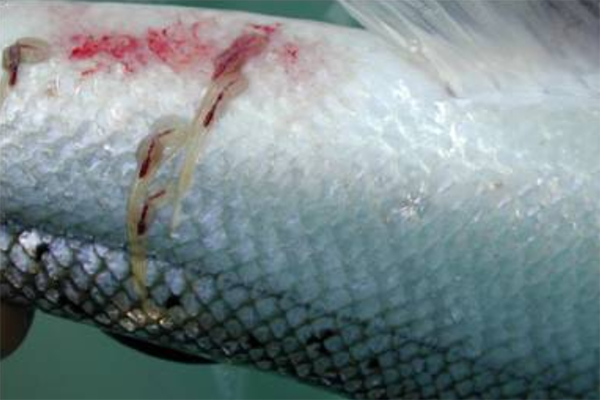
Are salmon lice most vulnerable in their earliest stage?
New research finds larval salmon lice produce unique proteins that may help them evade immune defenses, offering new targets for parasite control.
Health & Welfare
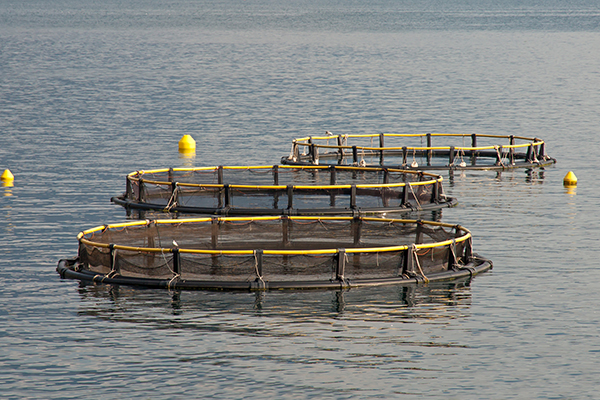
Cermaq Canada completes first salmon cycle with zero sea lice treatments
Cermaq Canada credits Ahousaht partnership after first salmon cycle with zero sea lice treatments and record-low lice levels.
Health & Welfare
2024 marked most challenging sea lice season in more than a decade for Norway, report finds
Norway’s salmon farms faced the worst sea lice season in over a decade in 2024, with infestations up 30 percent amid ocean warming.