


Fish are getting smaller as global food webs quietly reorganize, study finds

A global analysis of 15,000 fish communities shows shrinking body sizes, fewer top predators and more generalist feeders – even where species numbers remain stable

A global study analyzing nearly 15,000 marine and freshwater fish communities has found that aquatic food webs are changing significantly – even in ecosystems where the number of species has remained stable.
The research, led by scientists from the German Centre for Integrative Biodiversity Research (iDiv), Martin Luther University Halle-Wittenberg and Friedrich Schiller University Jena, examined long-term global data to assess shifts in species composition, body size and feeding relationships over recent decades. The findings, published in Science Advances, show that species numbers alone do not fully capture how ecosystems are evolving.
According to the study, consistent changes in fish size, trophic structure and feeding interactions are reshaping food webs, underscoring that alterations in species traits – such as body size and ecological roles – can significantly transform ecosystem function without obvious changes in species richness.
The researchers combined time series data spanning up to 70 years with information on fish body size, diet and trophic position. While overall species richness showed no consistent global trend, species composition shifted markedly over time. Across many marine and freshwater ecosystems, communities increasingly became dominated by smaller-bodied fish species.
![Ad for [membership]](https://www.globalseafood.org/wp-content/uploads/2025/07/membership_web2025_1050x125.gif)
“We often say, ‘big fish eat small fish,’ and in nature, it’s true – it’s an ecological rule,” said Juan Carvajal-Quintero, first author and Assistant Professor at Dalhousie University. “Fish predators are usually larger than their prey, and this size difference determines who can eat whom. When the size of predators or prey changes, feeding relationships shift, reshaping food webs and how ecosystems function.”
The analysis found that fish food webs have become more densely connected, with species feeding on a wider range of prey. This pattern points to an increase in generalist feeders – species with broader, less specialized diets.
At the same time, the proportion of large top predators, including sharks, goliath groupers, muskellunge and marble trout, declined. In contrast, mid-level predators and primary consumers increased, altering how species are distributed across trophic levels and reshaping the structure of aquatic food webs.
“Together, these results indicate a widespread reorganization of fish food webs, affecting both their structure and function,” said Ulrich Brose, research group head at iDiv and the University of Jena. “Increased connectance may accelerate the spread of perturbations among species, yet it may also enhance overall buffering capacity against disturbances such as warming, eutrophication, or fishing pressure. As a result, the responses of future food webs to global change remain highly uncertain.”
Food-web structure influences how disturbances spread through an ecosystem. When large top predators decline and generalist species with overlapping diets become more common, the effects of human-driven pressures – including ocean warming, overfishing and nutrient loading – can extend more broadly across species and trophic levels.
The researchers observed similar patterns in both marine and freshwater ecosystems across multiple regions worldwide, indicating that the shifts represent broad, long-term reorganization of food webs rather than isolated, local responses.
“No single study could reveal this,” said Jonathan Chase, senior author and research group head at iDiv and the MLU. “It’s only by synthesizing nearly 15,000 fish communities spanning decades and linking compositional changes to food-web theory that we can see how consistent and widespread this restructuring really is.”
The findings suggest that tracking species richness alone may overlook significant changes in ecosystem structure. Monitoring species traits, such as body size and feeding behavior, along with their interactions, can provide a more complete picture of how food webs are reorganizing. The researchers argue that integrating food-web perspectives into biodiversity monitoring could strengthen understanding of ecosystem change and inform future conservation efforts.
Now that you've reached the end of the article ...
… please consider supporting GSA’s mission to advance responsible seafood practices through education, advocacy and third-party assurances. The Advocate aims to document the evolution of responsible seafood practices and share the expansive knowledge of our vast network of contributors.
By becoming a Global Seafood Alliance member, you’re ensuring that all of the pre-competitive work we do through member benefits, resources and events can continue. Individual membership costs just $50 a year.
Not a GSA member? Join us.
Author

Related Posts
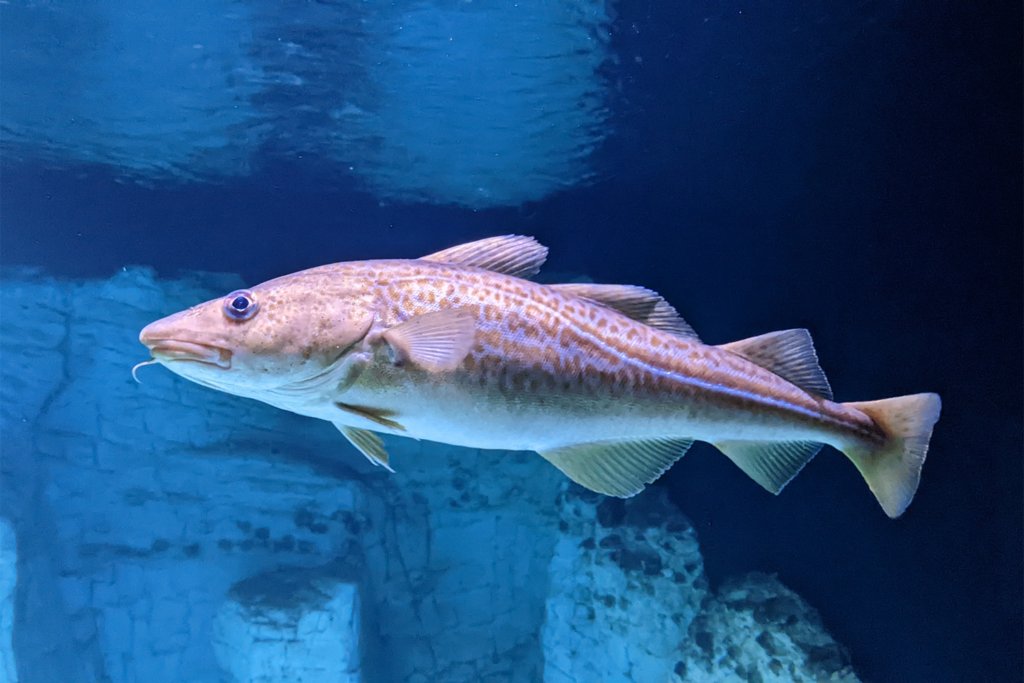
Fisheries
Are ocean warming and heavy fishing shrinking meals for fish in UK waters?
A recent study finds fish across Britain’s seas face ever-smaller meals as warming waters and intensive fishing squeeze ocean food webs.
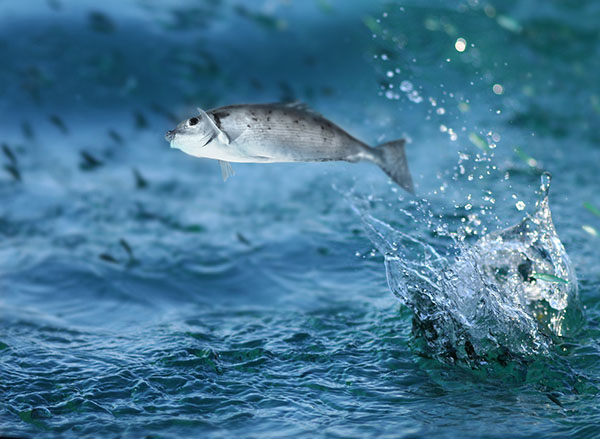
Fisheries
Some fish species are shrinking. Is global warming to blame?
Some fish species are shrinking but future research must determine if overfishing, global warming and food availability are responsible.
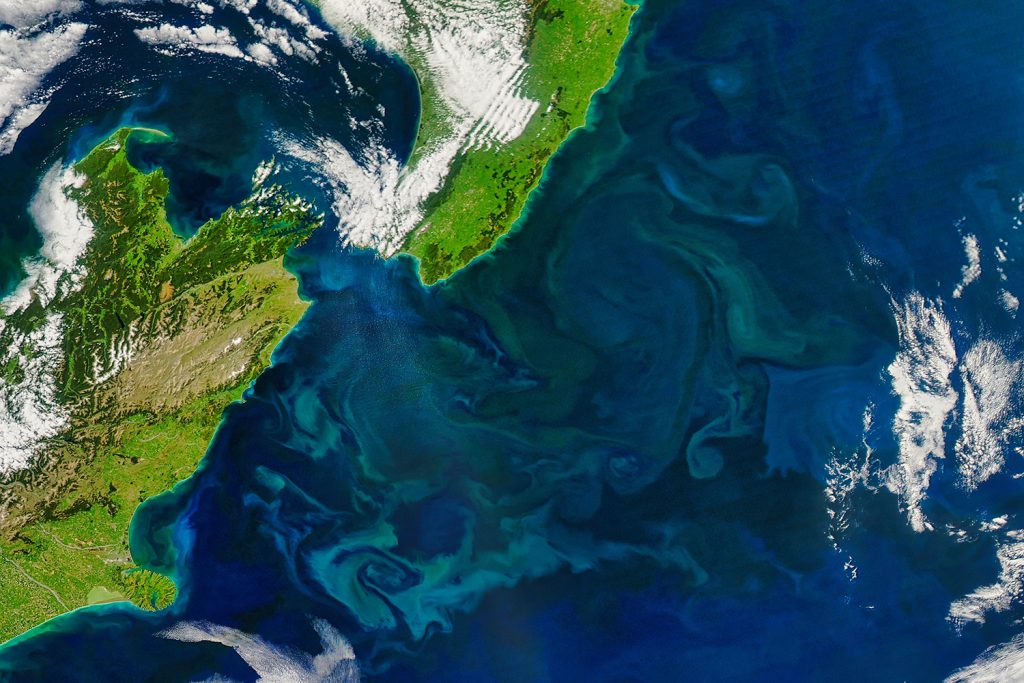
Fisheries
‘Who will win and who will lose?’ How climate change is shifting the ocean food chain – and potentially global fisheries
Climate change is shifting the foundation of the ocean food chain, potentially but not definitively causing a poleward migration of fisheries.
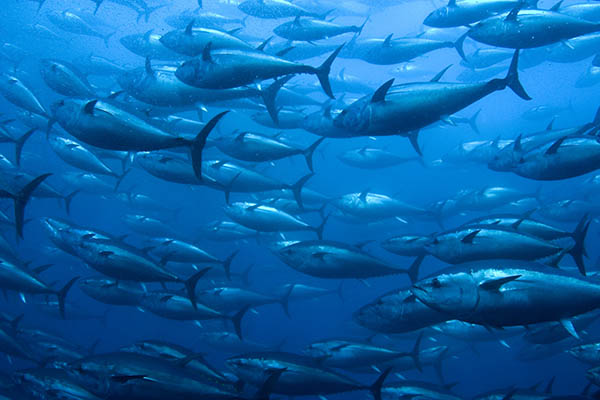
Responsibility
Study: More than 90% of global aquaculture faces substantial risk from effects of climate change
Aquatic food producers are vulnerable to the effects of climate change, with USA, China and Thailand at the most risk, a UCSB study finds.