


Does greater amberjack need a new fisheries management approach?

Researchers find greater amberjack in the Gulf of Mexico and South Atlantic may benefit from separate fisheries management and assessments
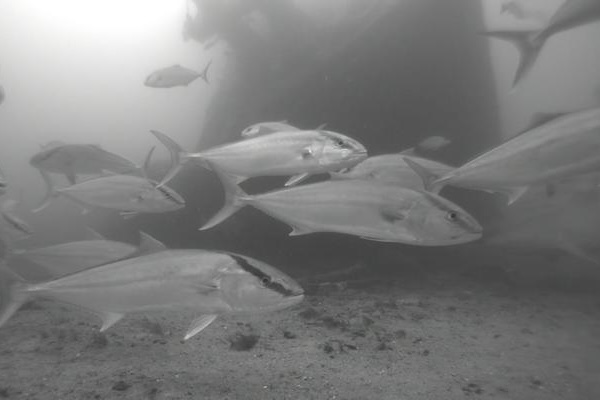
A recent study suggests greater amberjack in the U.S. South Atlantic, eastern Gulf of Mexico and western Gulf of Mexico may be better managed as separate stocks, offering new insights into a species that has faced longstanding management challenges.
The finding comes from the Greater Amberjack Count, a multi-year research effort led by the University of South Alabama. The project examined greater amberjack abundance, movement and population connectivity using underwater surveys, tagging studies and population genomics.
Researchers used underwater video and active acoustic surveys to estimate the abundance of greater amberjack in the South Atlantic and the Gulf of Mexico. According to the project team, the resulting estimates were broadly consistent with recent stock assessments.
The study also evaluated emerging assessment tools, including advanced acoustics and environmental DNA, demonstrating their potential use in future fisheries assessments.
![Ad for [membership]](https://www.globalseafood.org/wp-content/uploads/2025/07/membership_web2025_1050x125.gif)
In 2020, Congress authorized $10 million for the Greater Amberjack Research Program to address concerns about the species and improve biological and ecological data available to fisheries managers. Including matching funds from participating institutions, the project totaled $11.7 million and involved 20 scientists from more than a dozen institutions, as well as collaborators from NOAA Fisheries. The effort was modeled on previous large-scale studies of red snapper populations in the Gulf of Mexico and the South Atlantic.
“We certainly look forward to working with our colleagues at NOAA Fisheries to leverage the study’s findings to improve the current assessment approaches,” said Sean P. Powers, lead researcher and professor at the University of South Alabama. “The release of the project report isn’t the finish line; incorporating the results to the largest extent possible and improving science and management is our shared goal.”
Now that you've reached the end of the article ...
… please consider supporting GSA’s mission to advance responsible seafood practices through education, advocacy and third-party assurances. The Advocate aims to document the evolution of responsible seafood practices and share the expansive knowledge of our vast network of contributors.
By becoming a Global Seafood Alliance member, you’re ensuring that all of the pre-competitive work we do through member benefits, resources and events can continue. Individual membership costs just $50 a year.
Not a GSA member? Join us.
Author

Related Posts
Fisheries
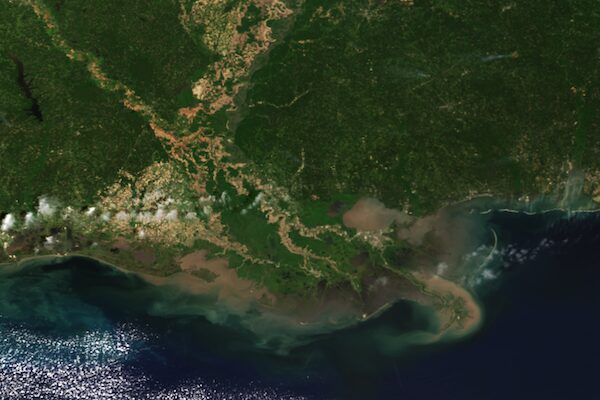
Severe U.S. drought linked to major Gulf fisheries decline decades ago, study finds
Study finds a late-1980s U.S. drought triggered major declines in Gulf of Mexico fisheries, raising future food security risks.
Fisheries
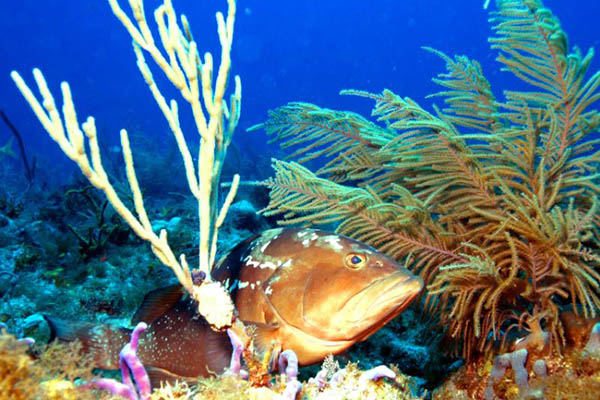
Which fish species in the Gulf of Mexico and South Atlantic are most vulnerable to climate change?
Certain fish species in the Gulf of Mexico and South Atlantic may be more vulnerable or resilient to climate change than others.

Fisheries
Researchers point to ocean oxygen as key to improving fisheries management
Focusing on ocean oxygen as a dynamic, limited resource may improve fisheries management, according to Newcastle University researchers.
Fisheries
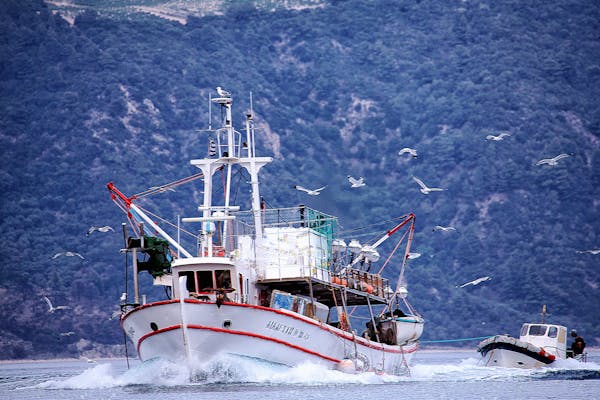
Report ties government subsidies to overfishing, urges stronger fisheries management
OECD report warns subsidies risk fueling overfishing and illegal fishing, and urges targeted funding to strengthen fisheries management.