
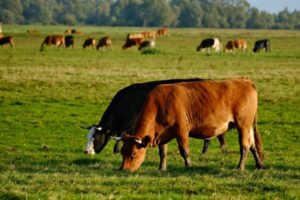
Seaweed compound cuts methane emissions in grazing cattle, study finds
A study shows seaweed-based feed additives can cut methane emissions in cattle, pointing to new opportunities for the seaweed industry.
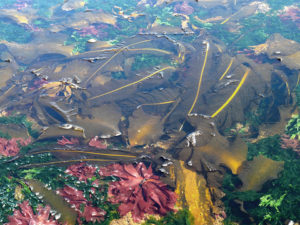
Seaweed aquaculture provides diversified products, key ecosystem functions, part 1
Seaweed plays key roles in Earth processes as a primary producer and link in the food webs of coastal and estuarine ecosystems.
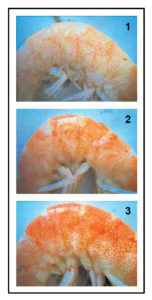
Enteromorpha tested as shrimp feed ingredient
With vitamins, minerals, carotenoids and higher protein content than other species, Enteromorpha is a superior seaweed choice and a potential shrimp feed ingredient.
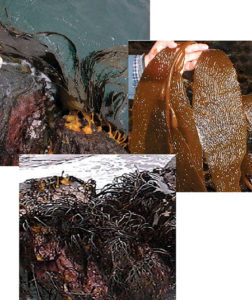
Seaweed farming in Chile: A review
Over the last 15 years, seaweed farming in Chile reached a volume of over 300,000 metric tons per year, half brown algae and half red algae.
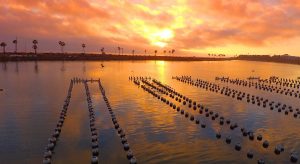
As ocean acidification threatens the shellfish industry, this California oyster farm is raising oysters resistant to climate change
Despite the dangers to shellfish posed by ocean acidification, a forward-thinking California oyster farm is producing oysters resistant to climate change.
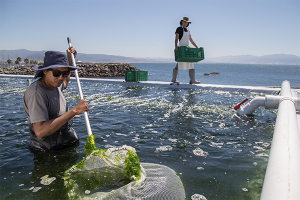
Asparagopsis seaweed producer nets contract with cattle feed supplement maker
Blue Evolution, a producer of Asparagopsis taxiformis seaweed, will supply Blue Ocean Barns with a feed supplement to suppress cow burps.
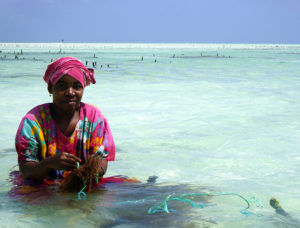
Ocean permaculture: Air conditioning for warming seas
Combining geophysical fluid dynamics and marine biology, Brian Von Herzen’s visionary technology will soon be tested off the coast of Massachusetts before export to the Indian Ocean.
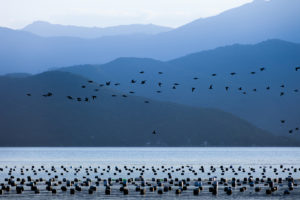
Cultivating an ocean food revolution
“Ocean Solutions that Benefit People, Nature and the Economy” encourages a new ocean narrative that touts mariculture’s three major benefits.
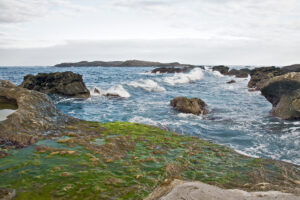
Green macroalgae aquaculture and its underexploited potential
Analyzing diversity, potential of major macroalgae taxa, existing cultivation techniques, uses, regional importance and global production estimates.
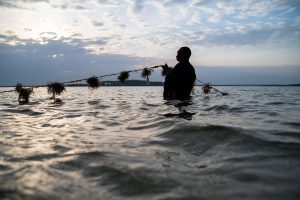
Climate change mitigation needs mariculture, new research concludes
NGO-academic collaborative study finds that mariculture “done right” can aid climate change mitigation by cutting greenhouse gas emissions.
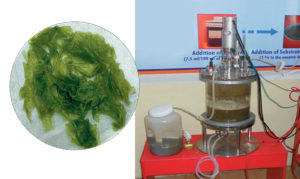
Single-cell detritus: fermented, bio-enriched feed for marine larvae
Single-cell detritus is a seaweed-based bioproduct whose use as feed has been studied with oysters and artemia. The authors are working toward the development of SCD for shrimp larvae.

Seaweed products find varied commercial, medical applications
Seaweed products like extracts are ingredients in many beauty products and creams, and widely marketed as natural herbal and weight-reduction products.
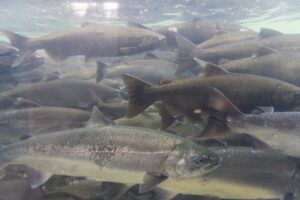
University of Glasgow will increase its salmon and seaweed farming research
The University of Glasgow has received £3 million in funding for farmed salmon health and seaweed aquaculture research.
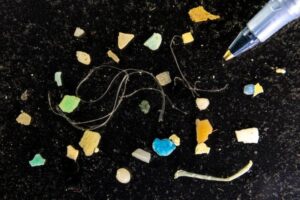
Seaweed-inspired ‘fluffy net’ captures ocean microplastics in freshwater and seawater
A seaweed-inspired mesh removed large and small microplastics in lab tests, offering a potential new tool for reducing marine plastic pollution.
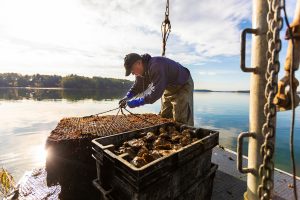
TNC: Restorative aquaculture can improve marine habitats, biodiversity
A report from The Nature Conservancy shows restorative or regenerative aquaculture can benefit ecosystems, marine animal habitats and biodiversity.
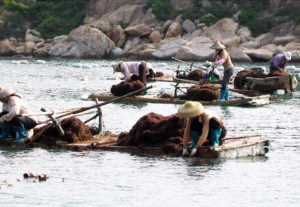
Gracilaria cultivation can provide bioremediation in Chinese mariculture
Large-scale Gracilaria cultivation can be an effective means of improving water quality and promoting a more sustainable mariculture industry in China.
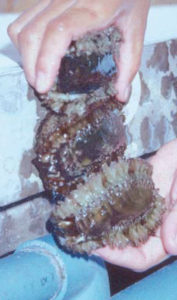
Tropical abalone culture in Philippines
The relatively short culture period and an established export market for tropical abalone make it a strong aquaculture candidate.
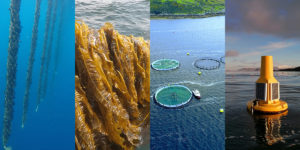
Conscious coupling: Can IMTA gain a foothold in Europe?
Integrated multitrophic aquaculture (IMTA) isn’t widely practiced in Europe but new findings indicate that farming multiple species on one site can work.