Responsibility
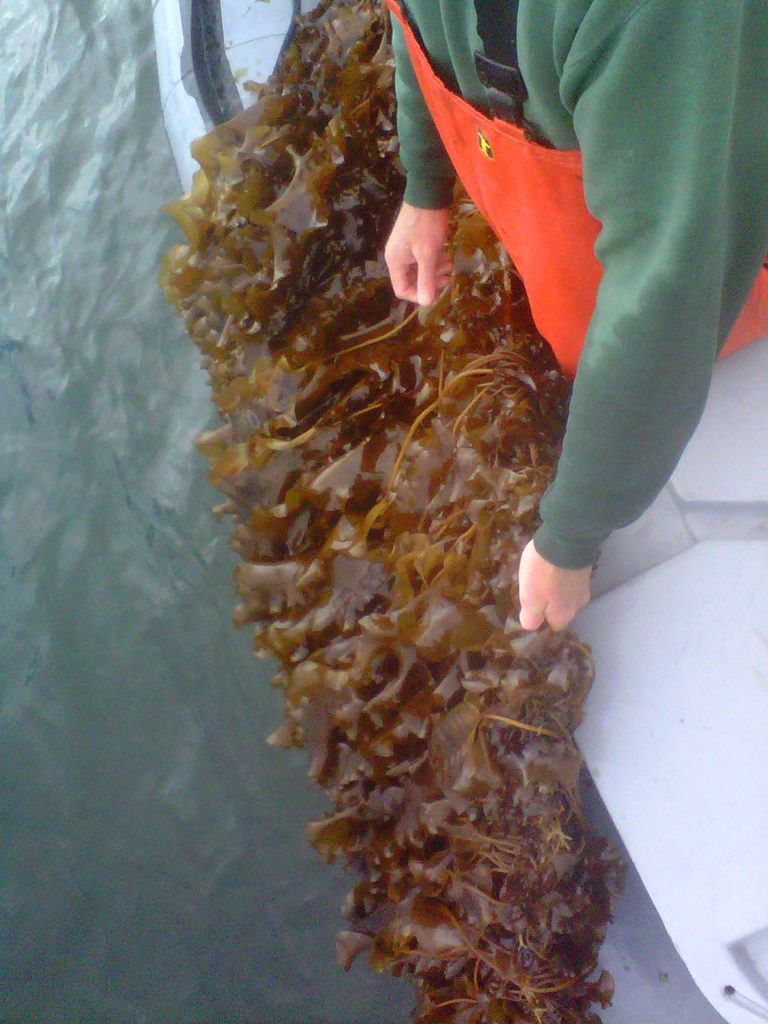
Seaweed farming offers avenue toward greater food security
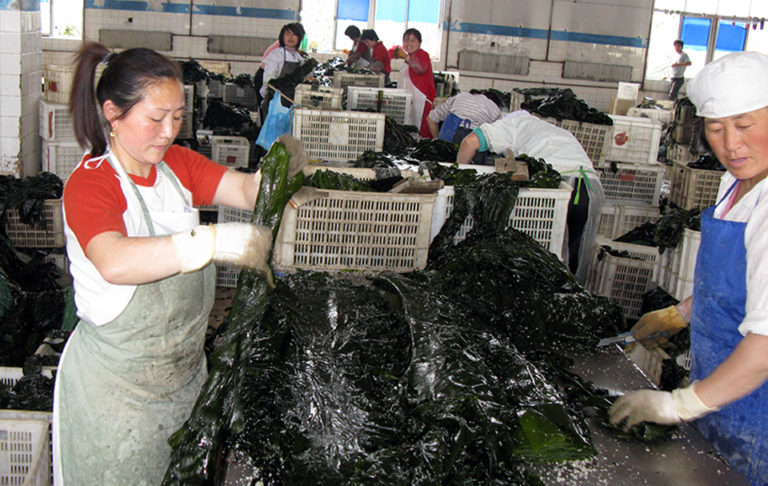
Seaweed farming has both proven history and huge potential. Large-scale farms could produce raw materials for biofuel, aquatic feeds and human consumption.


Responsibility
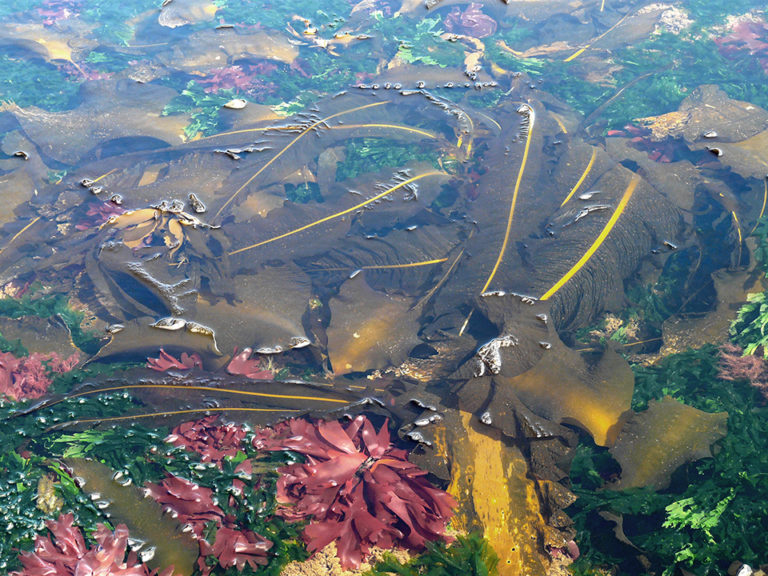
Seaweed plays key roles in Earth processes as a primary producer and link in the food webs of coastal and estuarine ecosystems.
Responsibility
Seaweed farming has both proven history and huge potential. Large-scale farms could produce raw materials for biofuel, aquatic feeds and human consumption.
Health & Welfare
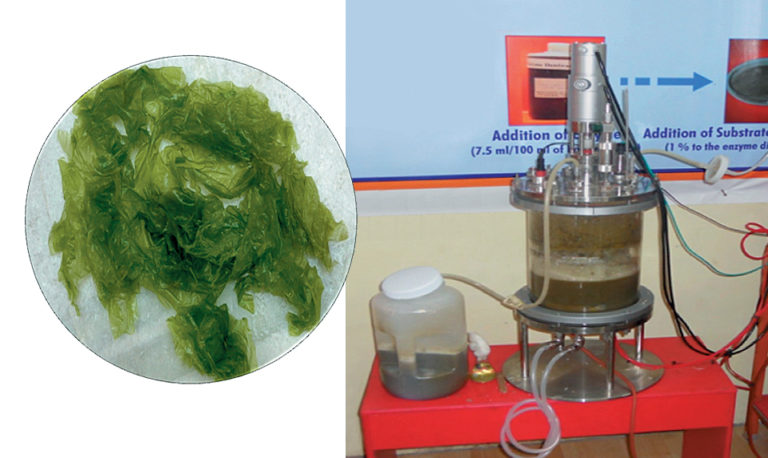
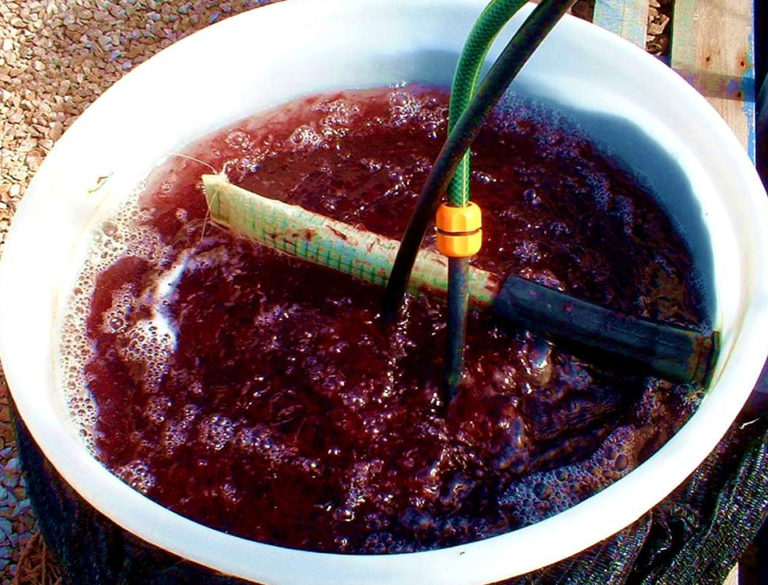
Single-cell detritus is a seaweed-based bioproduct whose use as feed has been studied with oysters and artemia. The authors are working toward the development of SCD for shrimp larvae.
Health & Welfare
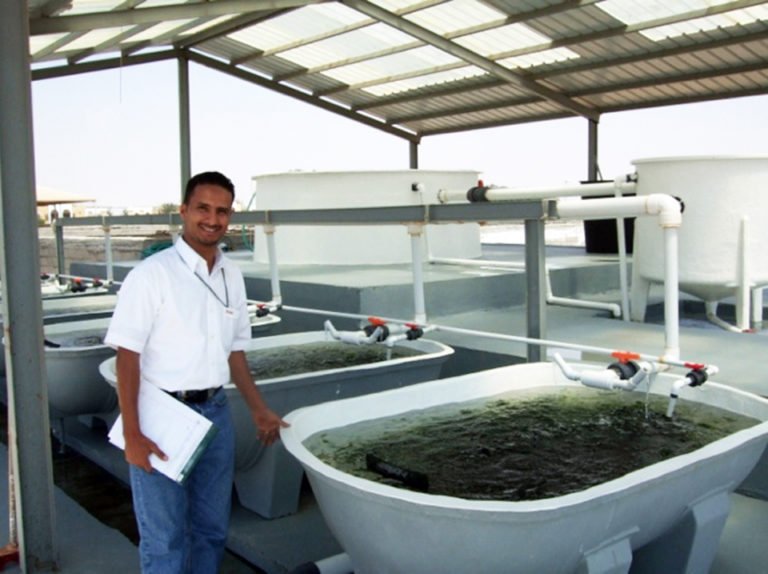
Saudi Arabia has a growing aquaculture industry that farms mainly tilapia, but also shrimp, grouper, sea bream, rabbitfish and mullet. Although aquaculture is a major source of supply for fresh fish, it has not grown fast enough to meet the country’s growing demand.
Aquafeeds
Discussion of aquaculture development should consider trophic levels. Seaweed culture, for example, could possibly double plant food production by farming less than 1 percent of the ocean’s surface.
Aquafeeds
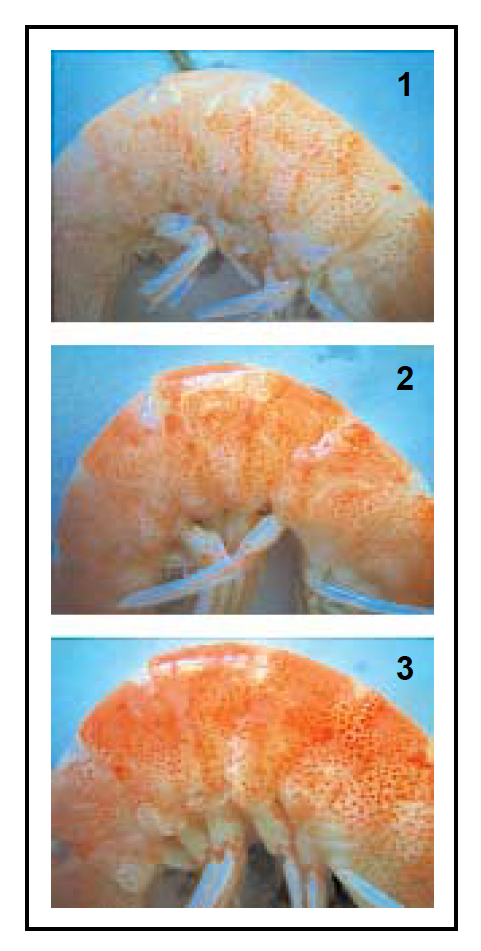
With vitamins, minerals, carotenoids and higher protein content than other species, Enteromorpha is a superior seaweed choice and a potential shrimp feed ingredient.

Health & Welfare
Seaweed products like extracts are ingredients in many beauty products and creams, and widely marketed as natural herbal and weight-reduction products.
Responsibility
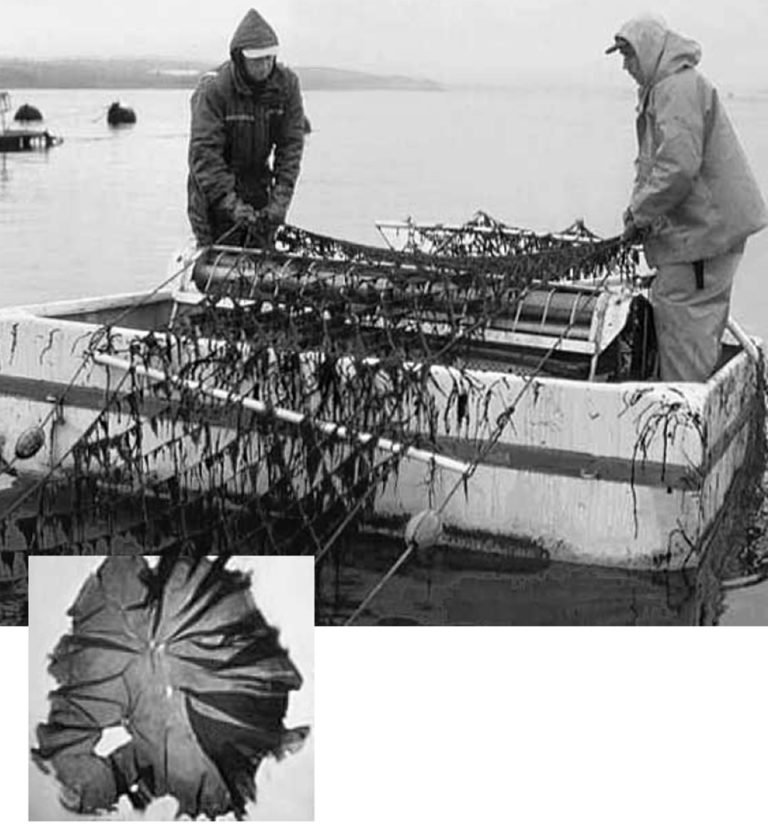
Authors are developing a freshwater hatchery effluent bioremediation system that uses seaweed polyculture to decrease discharge levels and reduce remediation costs.
Health & Welfare
Most seaweed species that function as biofilters for finfish aquaculture have little market value, so produced biomass remains a byproduct of biofiltration.
Aquafeeds
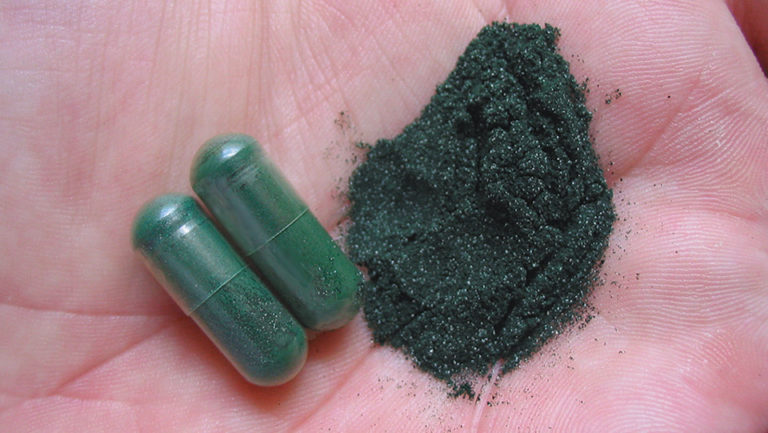
"New" ingredients like seaweed meals, particularly from various kelp species, provide trace minerals and vitamin A, and increase the palatability of shrimp feeds.
Responsibility
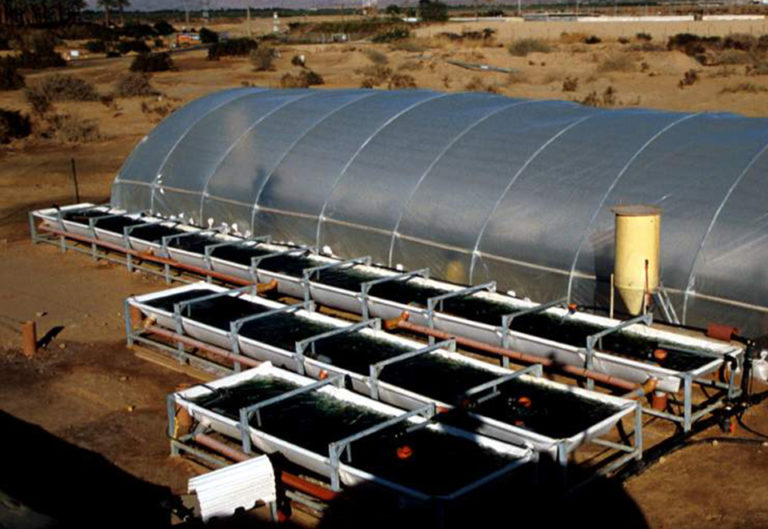
The use of integrated mariculture systems incorporating seaweed biofilters addresses the impact of discharges, promoting more sustainable production.