
Innovation & Investment

Getting proficient in RAS fundamentals

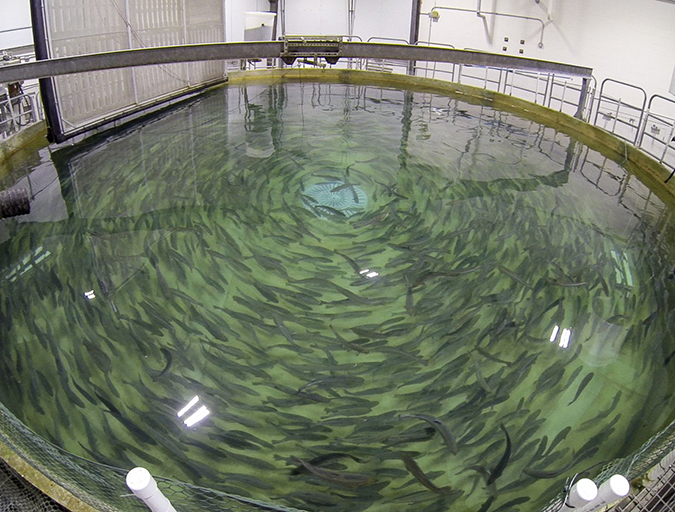
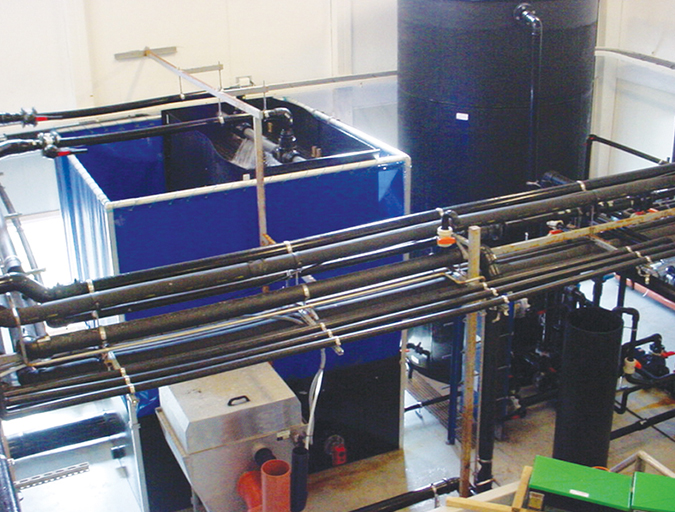
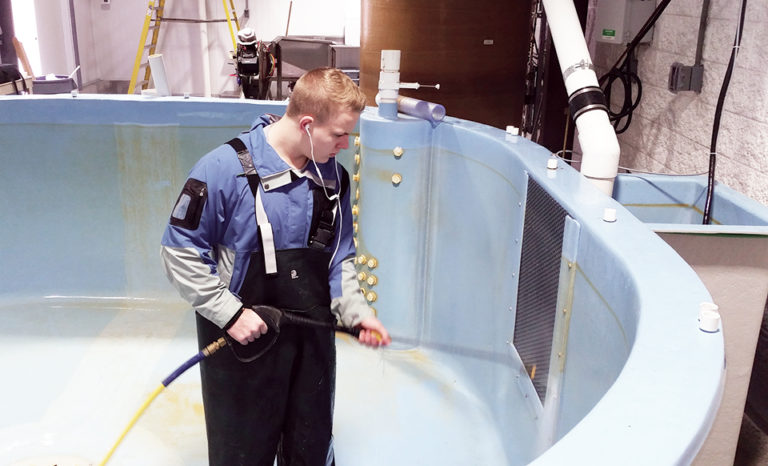
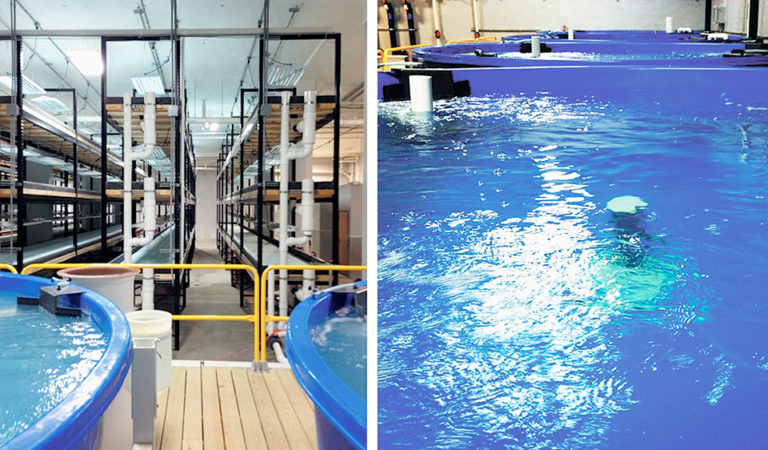
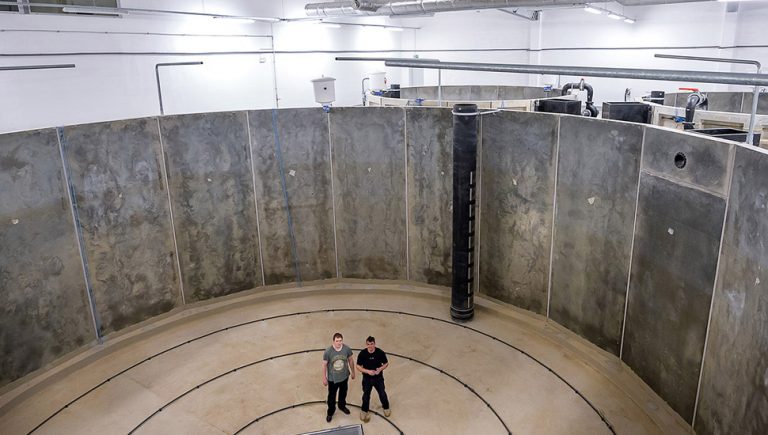
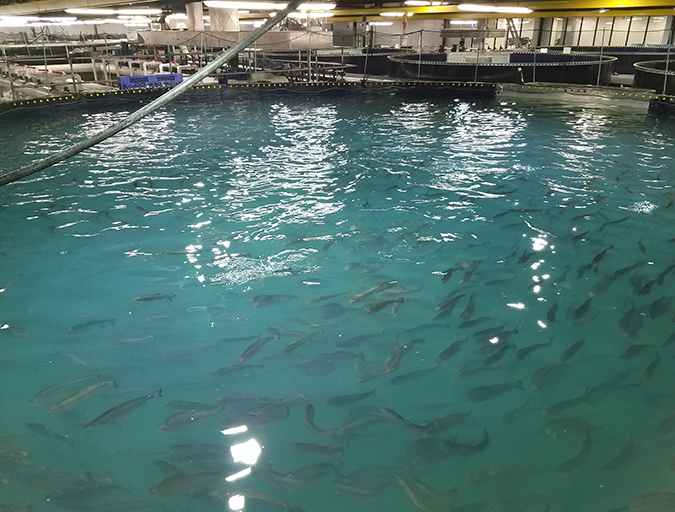
A number of large salmon farming companies are now investing significantly to increase land-based, water recirculating aquaculture systems (RAS) in northern Europe and North America, and there is likely a need for more trained farm personnel to run and manage these and other close-containment aquaculture facilities. 

READ
Biomass density affects bass production
Article image for Biomass density affects bass production

Health & Welfare

Biomass density affects bass production

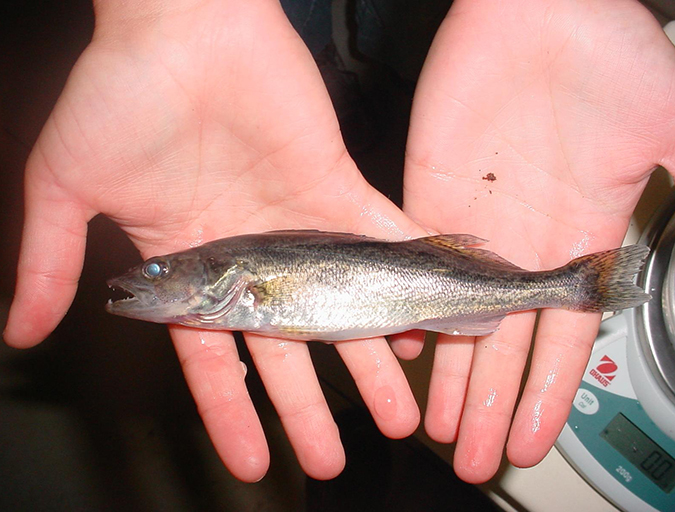
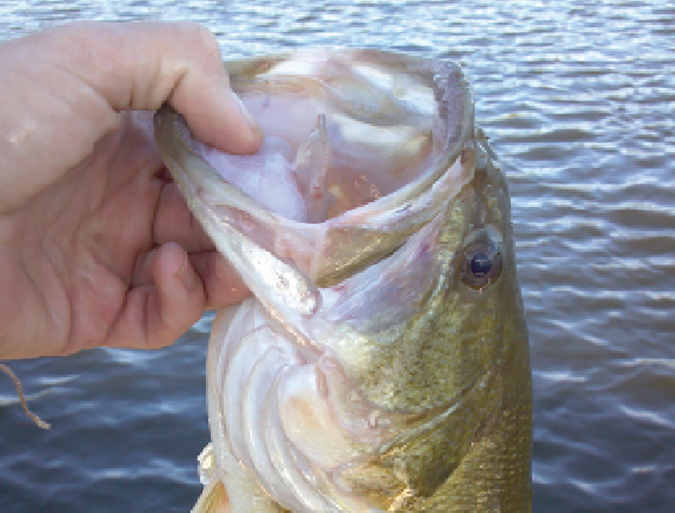
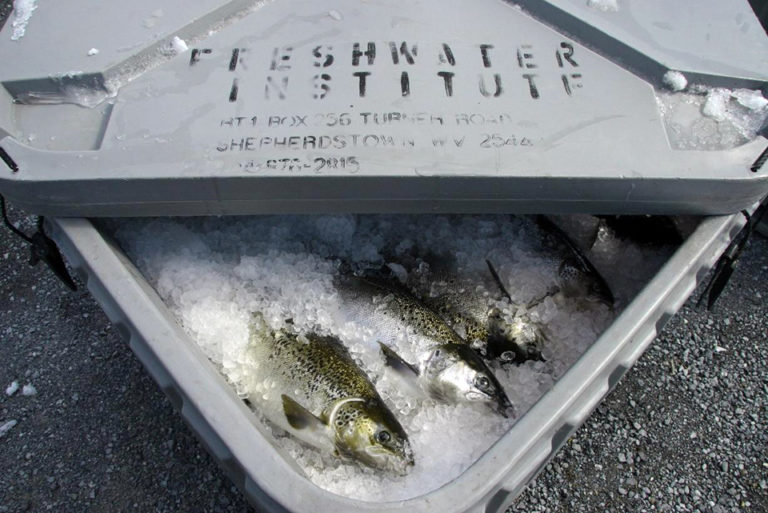
The production period for largemouth bass in ponds hampers the economic feasibility of pond culture in the United States. A study demonstrated that bass fingerlings could be raised at high densities in a semi-closed recirculating system without serious mortality, size variability or growth retardation. 

Flow rate estimation for RAS
Article image for Flow rate estimation for RAS

Innovation & Investment

Flow rate estimation for RAS

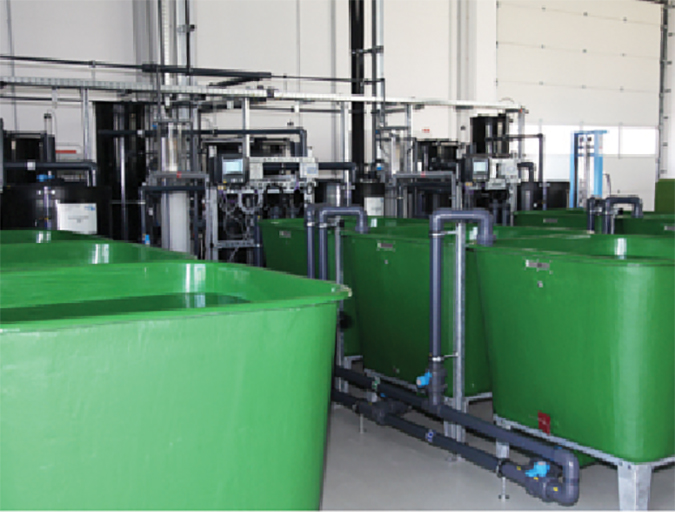
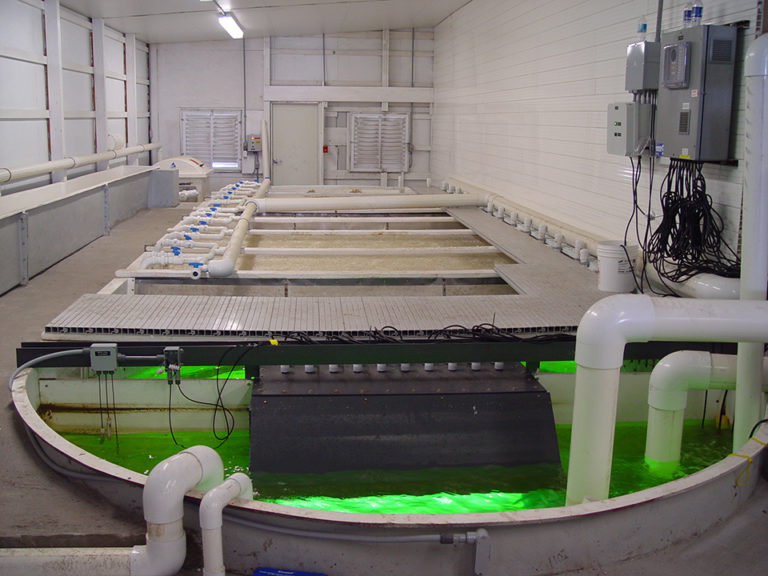
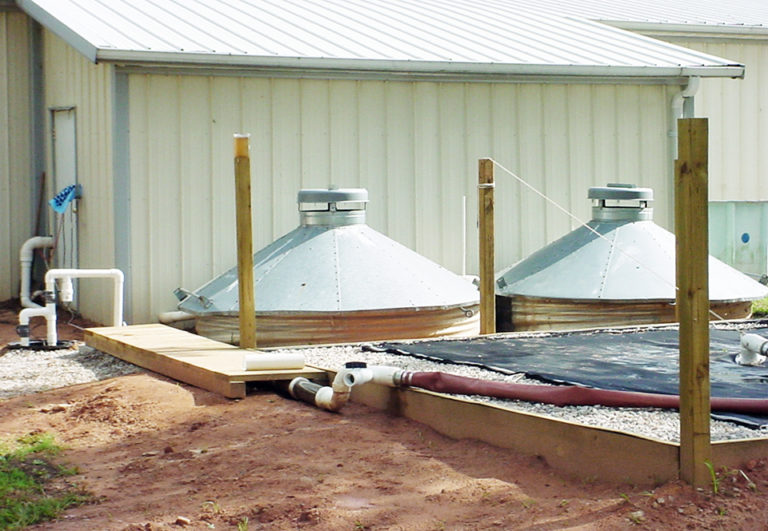
The water quality in recirculating aquaculture systems is generally a function of the tank size, biomass, feed inputs and waste treatment efficiency. Adequate biofiltration can control the build-up of ammonia-nitrogen and nitrate-nitrogen in the systems. 

Recirculation meets aquaponics
Article image for Recirculation meets aquaponics

Innovation & Investment

Recirculation meets aquaponics

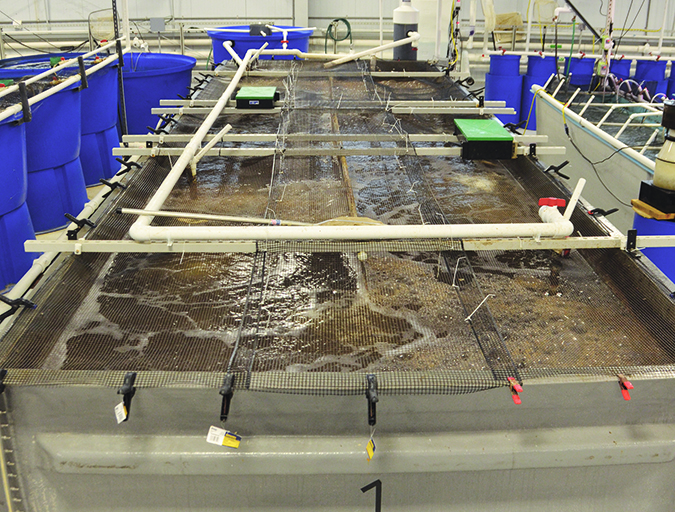
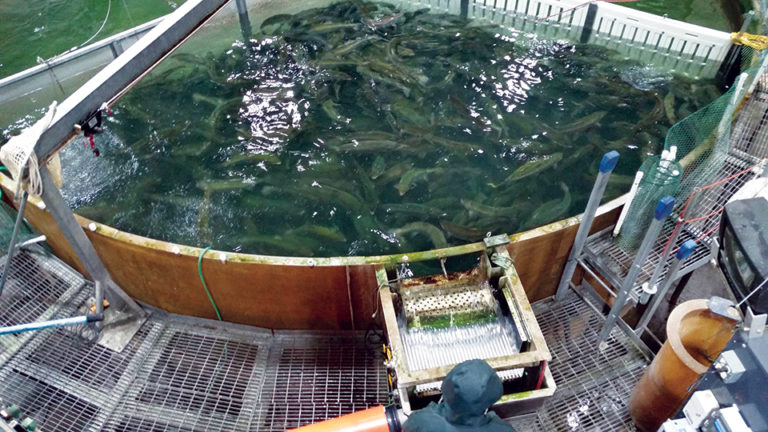
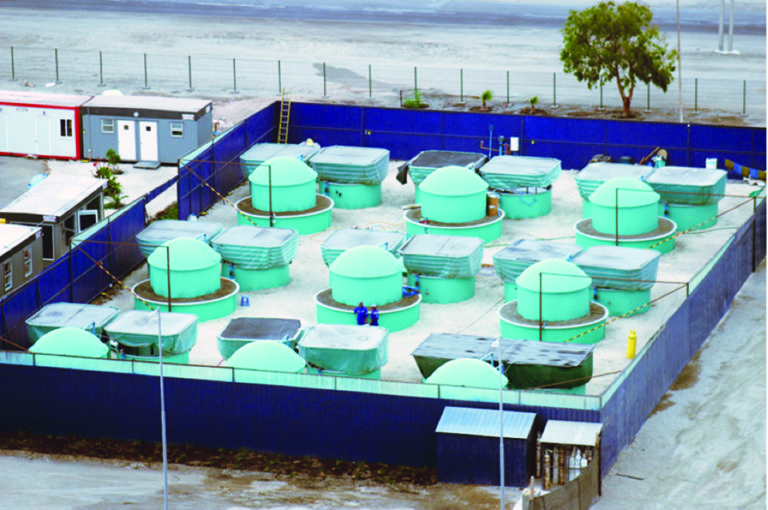
Today’s aquaculture industry is rapidly adopting recirculating aquaculture systems (RAS) for hatchery and nursery applications. Recently, there has been a move to combine RAS technology with the floating raft aquaponics.