Responsibility
Lease, seed and repeat: GreenWave’s replicable aquaculture
Don’t call it integrated multi-trophic aquaculture: Former commercial fisherman Bren Smith says polyculture of non-fed species is the future of aquaculture.
Intelligence
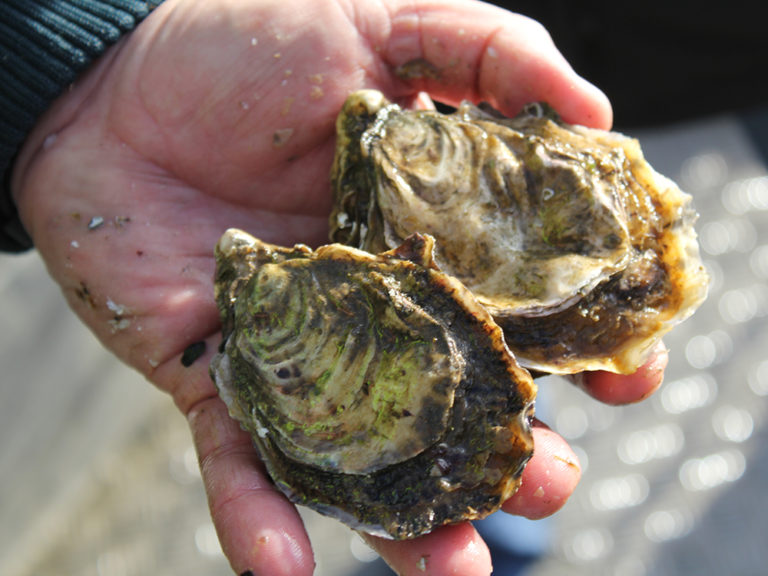
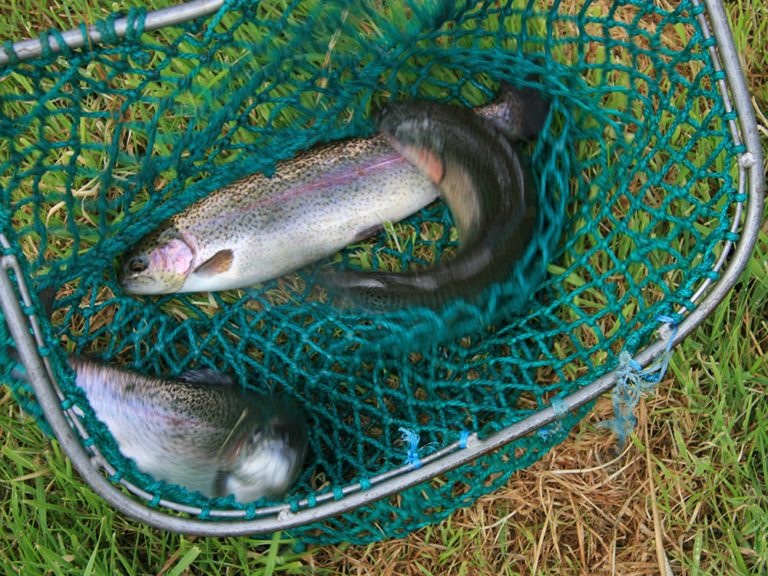
The Global Aquaculture Alliance's annual GOAL conference, held this October in Dublin, Ireland, offers attendees a unique learning experience. This photo slide show offers a sneak peek at the pre-conference field trip sites: a trout farm in Woodenbridge and an oyster farm in Dungarvan.
Responsibility
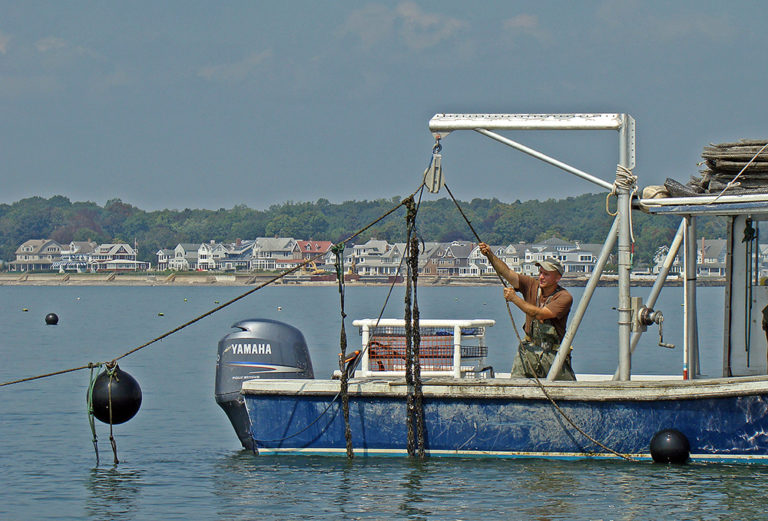
Don’t call it integrated multi-trophic aquaculture: Former commercial fisherman Bren Smith says polyculture of non-fed species is the future of aquaculture.
Innovation & Investment
The waters off the United States’ eighth-largest city may seem an unlikely place to grow oysters, but in a surprise announcement last month, officials from the Port of San Diego said they’re aiming to do just that.
Innovation & Investment
When Seattle decided to rebuild the seawall separating its waterfront from Puget Sound, it turned to a bivalve byproduct for a unique, environmentally friendly material for an hospitable marine habitat. The city wanted its design and materials as pragmatic and beneficial for its underwater residents as for those using the parks, paths and services above ground.
Responsibility
When one of California’s oldest oyster farms was shut down amid reports that it was degrading the environment, local observers took notice. Two years later, the case is still far from closed in the eyes of the farm’s supporters and its critics.
Intelligence
To name an oyster is to give birth to a brand, essential to stand out in today’s raw bar scene. The briny bite-sized morsels are arguably seafood’s sexiest offerings, but a memorable moniker (and a quality product) is what keeps them on the menu.
Intelligence
A study using a half-century of data has linked climate change and warming sea temperatures with an increase in illnesses from the common vibrio bacteria. Shellfish growers, fighting a particularly virulent strain of Vibrio parahaemolyticus, are changing their harvest protocols.
Intelligence
Michael Rubino and Gunnar Knapp list key reasons why U.S. marine aquaculture has been limited to a scale far below its vast potential.
Responsibility
Para que cualquier empresa tenga éxito, en última instancia debe ser consciente de la línea de fondo. Sin embargo, la rentabilidad no tiene por qué venir a expensas de la filantropía. Dos empresas de acuicultura, a menos de 100 millas de distancia de la costa este de los Estados Unidos, han demostrado que el éxito se puede medir más allá del dinero.
Innovation & Investment
The technical director for the U.K. seafood industry authority, Seafish, talks to the Advocate about the challenges facing aquaculture expansion and why it will be seafood that fills the protein gap that many are expecting in the future.
Intelligence
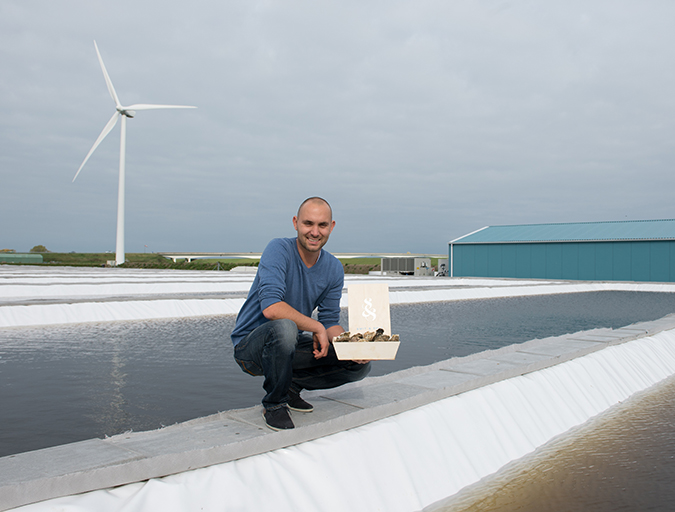
Bivalve shellfish culture is a low-impact form of protein production, and in many cases is a net-positive for water quality. So why move it indoors? Smit & Smit in the Netherlands has a good argument for doing so.
Responsibility
Two New England shellfish producers are furthering their innovative social license initiatives, both in their hometowns and in food-insecure regions overseas. Island Creek Oysters and Matunuck Oyster Farm have become admirable aquaculture ambassadors.
Innovation & Investment
The executive director of the Maine Aquaculture Association talks to the Advocate about the diverse and growing industry in his state (oysters, mussels, kelp, eels and salmon) and how aquaculture should be used as a rural development tool.
Intelligence
Pathogenic noroviruses have been identified in shellfish from various countries in Europe. The major cause of outbreaks of acute gastroenteritis in humans, norovirus infection is transmitted three main ways, led by consumption of shellfish.
Intelligence
Epidemiological studies have estimated that noroviruses are responsible for 60 percent to 80 percent of all foodborne outbreaks of gastroenteritis worldwide. Consumption of shellfish is one of three main transmission routes of norovirus infection.
Health & Welfare
Practical post-harvest oyster processing methods are needed. Preliminary studies evaluated the potential of high-salinity relaying to control Vibrio levels in raw oysters.