


Ocean warming is pushing Gulf of Maine species deeper and farther north, decades of data show

UMaine research findings raise questions for fishery management
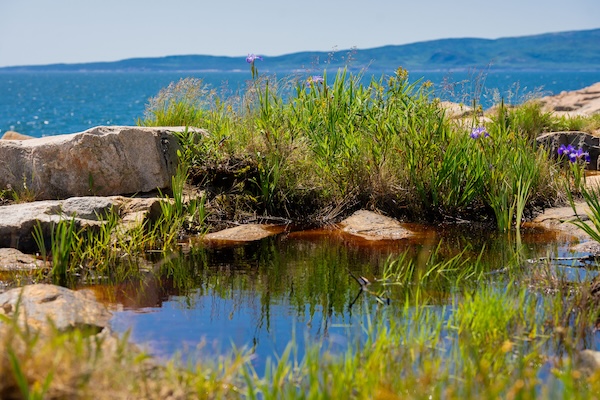
The first survey analyzed was the Maine-New Hampshire Inshore Trawl Survey, which tracks groundfish species such as haddock, flounder and cod, as well as invertebrates like squid. The study, published in PLOS Climate, used data collected between 2000 and 2023 and identified a rise in bottom water and sea surface temperatures between 2010 and 2012. Researchers used this period as a baseline to compare conditions before and after the warming.
The results show clear ecological shifts. Many species are moving deeper and farther northeast, while dominant, fishery-relevant species have become less diverse. Some species are also more abundant in the spring.
Despite these changes, the survey remains about 90 percent consistent in its capture of key species, suggesting it continues to provide reliable data for stock assessment and management.
![Ad for [Aquademia]](https://www.globalseafood.org/wp-content/uploads/2025/07/aquademia_web2025_1050x125.gif)
The analysis also identified a shift in biodiversity. While species abundance has increased in some cases, biomass — the total weight of organisms — is becoming concentrated in fewer species.
“In fisheries research, we prioritize biomass data because it reveals which species are the functional pillars of the ecosystem,” said Hsiao-Yun Chang, lead researcher and a postdoctoral research associate at UMaine. “If biomass is distributed across several dominant species, the ecological risk is spread out. However, our study shows that the weight is becoming concentrated in fewer species, meaning the diversity of the catch is actually shrinking.”
Amid warnings, some marine species exhibit climate resilience as oceans warm
In the spring, species abundance increased, but biomass diversity declined, indicating that fewer species now make up a larger share of the ecosystem.
This pattern reflects broader trends in Maine’s fisheries, which rely heavily on a small number of high-value species such as lobster. Understanding these changes is key to supporting both the marine environment and the state’s fishing economy.
The project also included a review of eight monitoring and assessment programs run by the Maine Department of Marine Resources to identify where additional research and monitoring could help the state respond to environmental change.
“We know that there’s increased variability and changes in the distribution of species in the Gulf of Maine, and fishermen and other industry members have seen these changes over the last few decades,” said Michelle Staudinger, associate professor of fisheries science at UMaine. “If they know that the data that they’re helping collect is informing fishery management decisions, we want them to feel confident that the data is accurately representing the state of the stocks.”
With the trawl survey analysis complete, the team will next examine the Sea Urchin Dive Survey and the Ventless Trap Survey for lobster, applying similar methods to evaluate how well they reflect current conditions.
“This work will not only support better fisheries management in the Gulf of Maine but will provide a template for researchers and managers around the world to support ocean stewardship,” said DMR Division Director Jesica Waller. “Combined with the expertise of our staff, quantitative analyses like this one will guide our decision-making in future survey design and data interpretation. This comprehensive, collaborative approach will allow us to bring data to industry and research partners to make well-informed decisions about the future of fisheries management.”
Now that you've reached the end of the article ...
… please consider supporting GSA’s mission to advance responsible seafood practices through education, advocacy and third-party assurances. The Advocate aims to document the evolution of responsible seafood practices and share the expansive knowledge of our vast network of contributors.
By becoming a Global Seafood Alliance member, you’re ensuring that all of the pre-competitive work we do through member benefits, resources and events can continue. Individual membership costs just $50 a year.
Not a GSA member? Join us.
Author

Related Posts
Fisheries
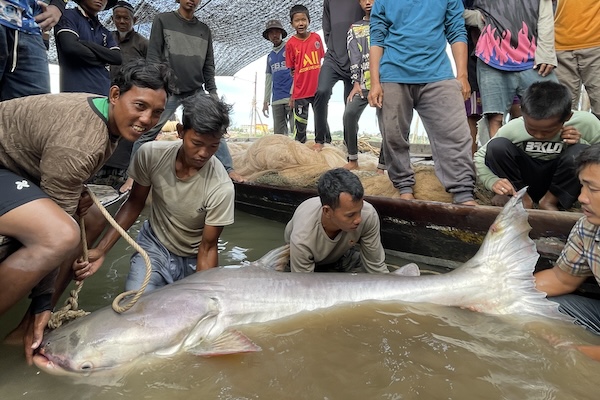
UN report warns declining migratory freshwater fish a threat to global inland fisheries
UN report warns migratory freshwater fish populations are collapsing, raising concerns for inland fisheries worldwide.
Fisheries
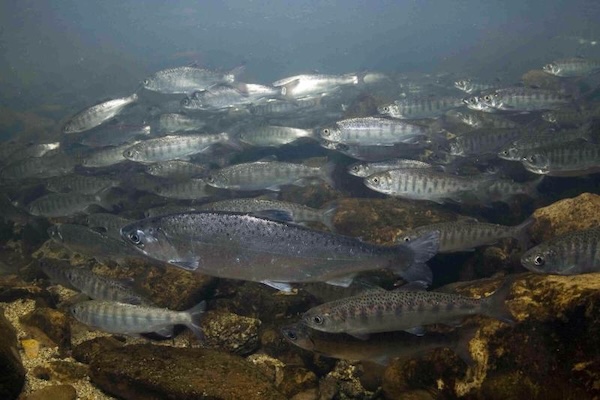
NOAA scientists track massive marine heatwave affecting U.S. West Coast waters
NOAA scientists track a massive marine heatwave off the U.S. West Coast that could affect fisheries, species shifts and harmful algal blooms.

Fisheries
Fish are getting smaller as global food webs quietly reorganize, study finds
Study finds global fish food webs are shifting toward smaller species and fewer top predators, even where species counts stay stable.
Responsibility
Ocean temperatures hit record highs in 2025, underscoring need for climate action
Ocean temperatures hit record highs in 2025, signaling accelerating climate change and its growing influence on weather worldwide.