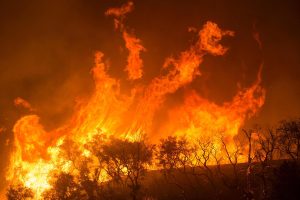
How wildfires – and efforts to stop them – threaten marine ecosystems and aquaculture
Wildfires are a growing threat that could impact aquaculture due to increasing smoke, worsening water quality and fire-retardant drops.



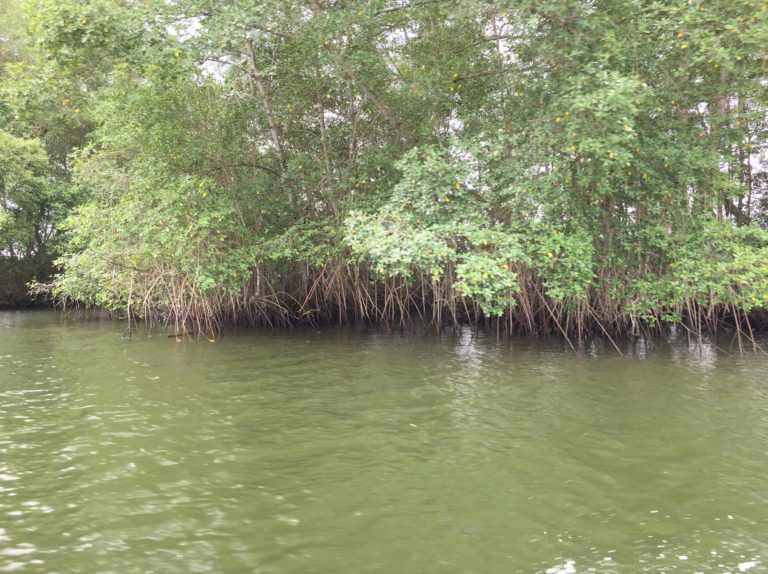
WWF-Ecuador and Ecuador’s National Chamber of Aquaculture have agreed to halt habitat conversion for shrimp farming in Ecuador.
Wildfires are a growing threat that could impact aquaculture due to increasing smoke, worsening water quality and fire-retardant drops.
A study has found an “extraordinary increase” in ocean acidification and a strong correlation with the increasing rate of Arctic ice melting.
New legislation aims to tackle tough environmental issues in Florida estuaries by bolstering the number of clams and seagrass through restorative aquaculture.
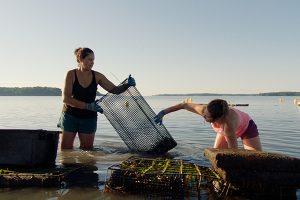
The Women in North American Aquaculture Summit examined equal opportunity for women in aquaculture, barriers to participation and inequality solutions.
With a growing population and climate change threatening food security, Dalhousie researchers say seafood holds promise for global nutritional needs with low environmental impact.
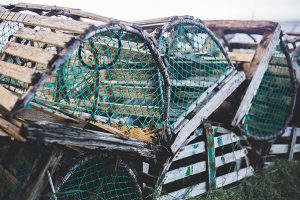
Seafood Watch urged consumers to avoid products from the Canadian snow crab and U.S. lobster fisheries, due to right whale entanglement risks.
The seafood industry and NGOs are supporting a call by the FAO to create a mechanism to record and reduce fisher mortalities.
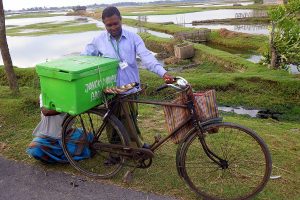
With improver programs and branding opportunities for its black tiger producers, Bangladesh shrimp farming eyes a more profitable future.
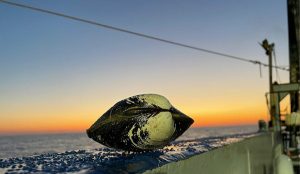
A new study found rapid ocean warming in the Gulf of Maine has reversed 900 years of cooling, with consequences for the ecosystem and fisheries.
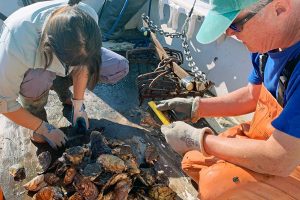
Oysters may play a role in removing nitrogen and improving water quality in the Great Bay estuary, near the University of New Hampshire.
Coastal fisheries management that includes a spatially relevant set of abiotic and biotic factors is likely to improve sustainable fisheries programs.
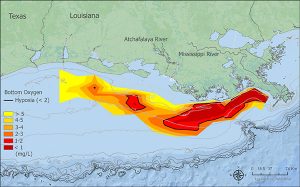
NOAA said that this year's Gulf of Mexico “dead zone” is smaller than expected, with low river discharge identified as a contributing factor.
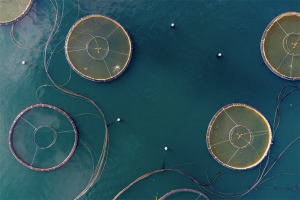
With the help of UNEP, Palau is building an environmentally friendly aquaculture sector to complement its marine conservation initiatives.
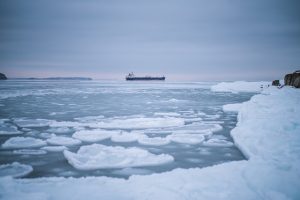
A new study suggests that the freezing and melting of Arctic sea ice heavily impacts the marine primary productivity in the Bering Sea.
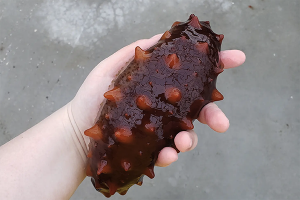
University of Stirling research finds sea cucumbers can flourish by feeding on organic fish farm waste and subsequently be a high-value product.