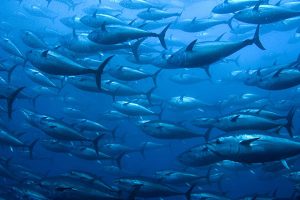
Study: More than 90% of global aquaculture faces substantial risk from effects of climate change
Aquatic food producers are vulnerable to the effects of climate change, with USA, China and Thailand at the most risk, a UCSB study finds.



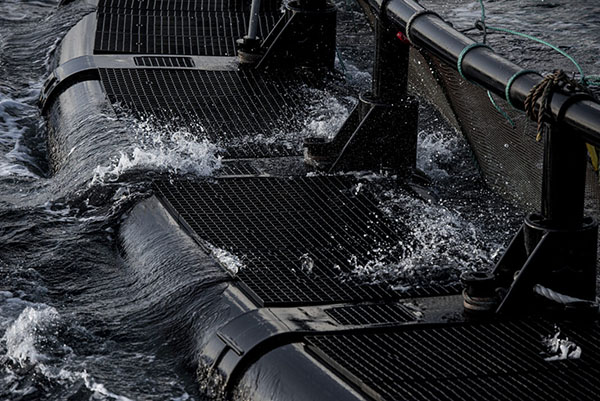
Plastic recycling from the aquaculture sector can be a commercially viable circular economy initiative, concludes SINTEF researchers.
Aquatic food producers are vulnerable to the effects of climate change, with USA, China and Thailand at the most risk, a UCSB study finds.

New guidelines advise eating more fish and plant-based foods while cutting down on red meat to achieve a healthy, climate-friendly diet.
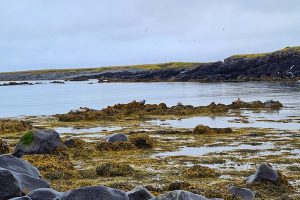
Scientists project seagrass to decline in abundance and composition from the effects of climate change, even in a “best case” scenario.
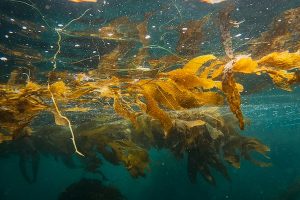
A new study raises concerns about the feasibility of global seaweed farming as a potential large-scale carbon capture solution.
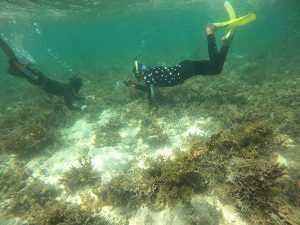
With ocean warming, scientists warn that urgent international protection measures need to be implemented to protect wild seaweed stocks.
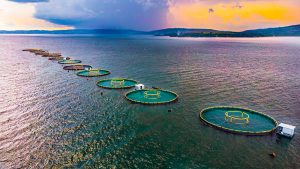
Integrating fish farming into nutrition-sensitive, circular and sustainable food systems can drive future aquaculture development, say authors of a new report.
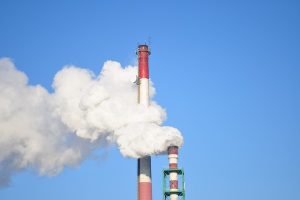
Leading scientists to update climate change indicators annually to stay informed on critical aspects of global warming.
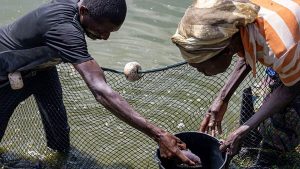
Growing the fisheries and aquaculture sector can help diversify Angola's economy and achieve its development goals, experts say.
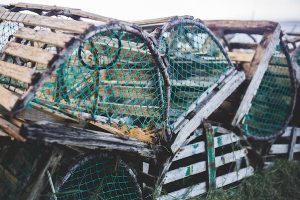
Scientists hauled in almost 55,000 pounds of ghost fishing gear from the seafloor – an estimated economic loss of $240,000 yearly.
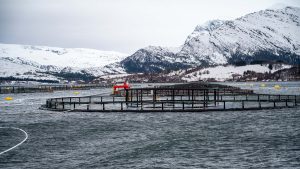
Aquaculture equipment specialist AKVA group and collaborators are building the world’s first aquaculture pens made entirely from recycled plastic.
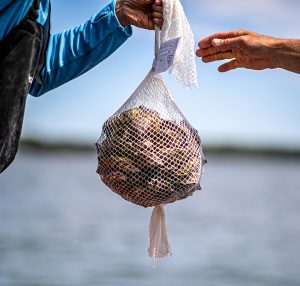
Ocean Farm Supply says compostable bags made from beechwood cellulose fiber are a more responsible alternative to plastics used for harvesting.
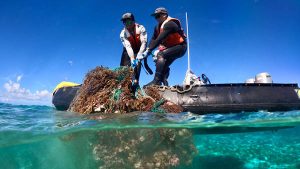
NOAA Sea Grant will support projects to remove and recycle marine debris, improve fishing net technology and develop community partnerships.
BioMar's climate action targets were validated and approved by the SBTi, hitting a milestone in BioMar's overall sustainability plan.
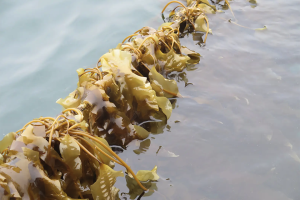
How can kelp farming help solve global challenges? A panel of seaweed experts discussed promises, pitfalls and knowledge gaps.
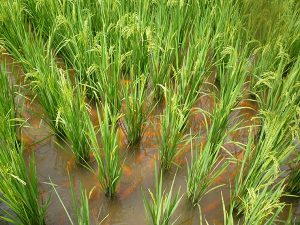
Researchers say that raising fish and other aquatic livestock in rice paddies has the potential to meet global food security demands.