
Evaluating biofloc technology for intensive culture of fathead minnows
A study tested the use of biofloc technology to improve the productivity of the fathead minnow (Pimephales promelas) a commercially important baitfish in North America.



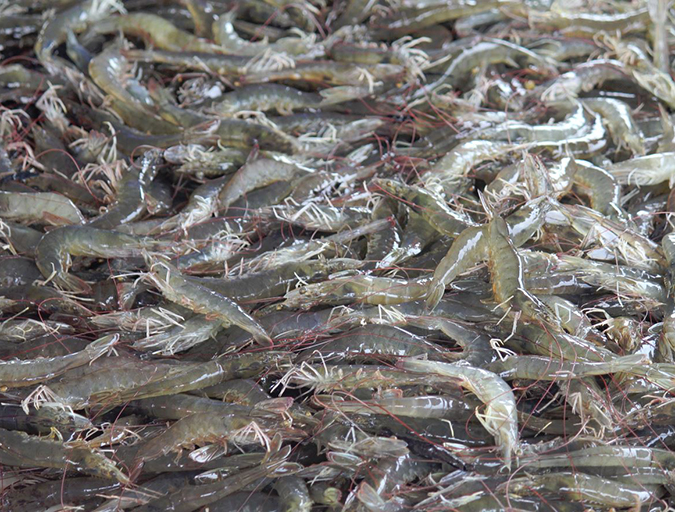
Two virulence genes are known to encode a binary photorhabdus insect-related toxin that causes acute hepatopancreatic necrosis disease in shrimp. The pathogenicities of these V. campbellii strains were evaluated through laboratory infection and subsequent histological examination in P. vannamei shrimp.
A study tested the use of biofloc technology to improve the productivity of the fathead minnow (Pimephales promelas) a commercially important baitfish in North America.
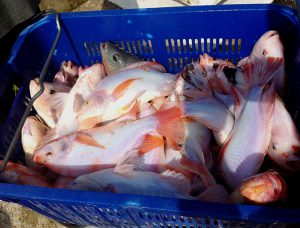
A study conducted in Huila, Colombia, tested the effects of the feed additive potassium diformate on the performance of juvenile tilapia. Results showed an enhanced fish productivity index, lower mortality and improvements in weight gain.
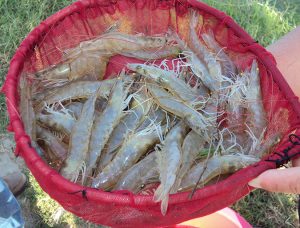
Realizing higher growth rates in commercially cultured shrimp has many important benefits, including reducing various risks, cutting costs and increasing economic opportunities. Shrimp genetics primarily determines the amount of additional growth that can be achieved, as shrimp typically reflect their parents’ growth rates.
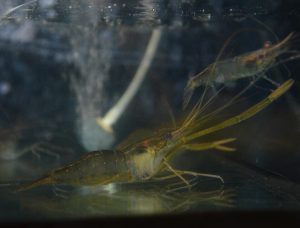
A study aimed to determine safe levels of ammonia and nitrite to various life stages of the Amazon river prawn, based on the hypothesis that the early stages of development of M. amazonicum are more sensitive to ammonia and nitrite than later stages. The monitoring of this variable is important to avoid losses, mainly in larviculture and recirculation.
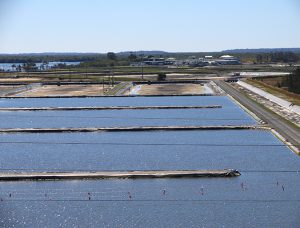
Attention to pH, a numeric scale used to specify the acid or alkaline condition of an aqueous solution, is very important. Reducing biomass and feeding rates together with phytoplankton control and liming can often keep pH at desirable values.
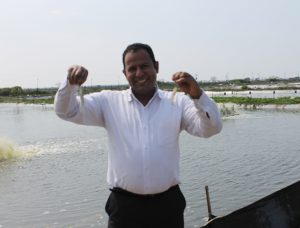
A new breeding program for genetic improvement of Indian white shrimp (Fenneropenaeus indicus) in Egypt was established at a private shrimp farm at AL Dibah Triangle Zone (DTZ) to develop disease-resistant shrimp for the country’s aquaculture industry.
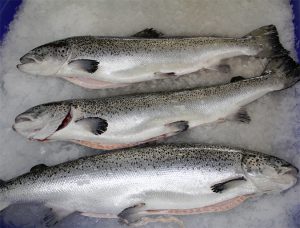
Viruses often are the most potentially damaging pathogens in nature, affecting both wild stocks and farmed animals. Due to an Infectious Haematopoietic Necrosis (IHN) viral outbreak that occurred in Atlantic salmon in British Columbia, Canada some years ago, a vaccine for IHN was developed against this serious threat.
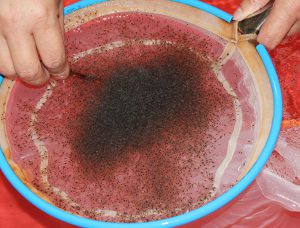
Shrimp postlarvae acclimation before stocking into the various growout systems (ponds, raceways, tanks) is a critical – and often overlooked, sometimes taken for granted – step in the shrimp culture process. Various water quality parameters should be changed slowly so that the young shrimp have the time to gradually adapt to the new conditions.
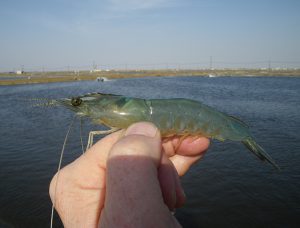
Biosecurity strategies adopted by the shrimp industry in the Kingdom of Saudi Arabia have resulted in historical production in 2015 and a similar forecast for 2016, and are a significant step towards the long-term goal of sustainable aquaculture.
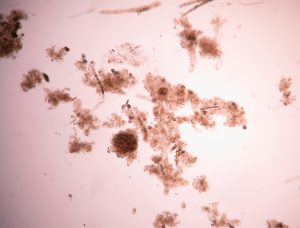
The use of biofloc technology (BFT) is increasing in the commercial production of several important aquatic species, as it can increase production and efficiency and minimize the potential impacts of effluents. This study showed that BFT systems without water exchange and supplemented with molasses or dextrose as a carbon source yield adequate production and water quality during the hatchery phase of L. vannamei.

Some of the world’s top aquatic animal disease experts shared knowledge about mitigation techniques at the GOAL conference in Guangzhou, China. Topics included sea lice, streptococcus and EHP, which was referred to as the “most insidious” disease impacting shrimp production.
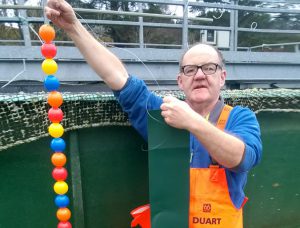
Animal welfare on fish farms encompasses health, diet, water quality, husbandry, handling and slaughter. Add environment enrichment to the list, like a Scottish salmon company, which keeps its fish healthy by keeping them busy.
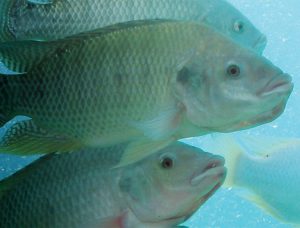
At this year’s GOAL conference in Guangzhou, China, leading animal welfare and aquatic animal disease experts will share knowledge about how producers can gird their operations. EMS, EHP, streptococcosis and sea lice will be addressed, as will the latest in area management.
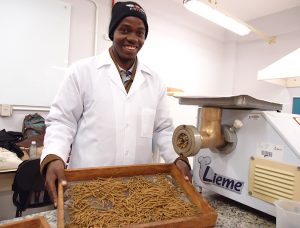
University of Stirling Ph.D. student Simão Zacarias, who is from is Beira, Mozambique, will soon travel to Isla del Tigre, Honduras, to document evidence showing the benefits of breeding shrimp without eyestalk ablation. His is a journey of hopeful discovery.
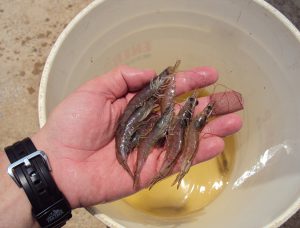
本文介绍了新兴对虾微孢子虫病(EHP)的组织学特征,使用了对患病对虾肝胰腺组织,排泄物,养殖水缸中水样和一些卤虫生物量的PCR化验分析的方法来检测到EHP的存在。(Editor's note: This article was originally published on the Advocate in English on April 15, 2016.)