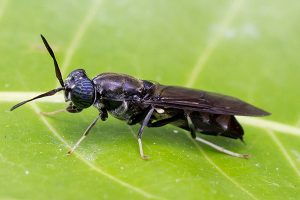
Meta-analysis of the effects of black soldier fly meal on fish growth
Results indicate it is feasible to achieve high levels of substitution of fishmeal with black soldier fly meal without risking a negative impact.



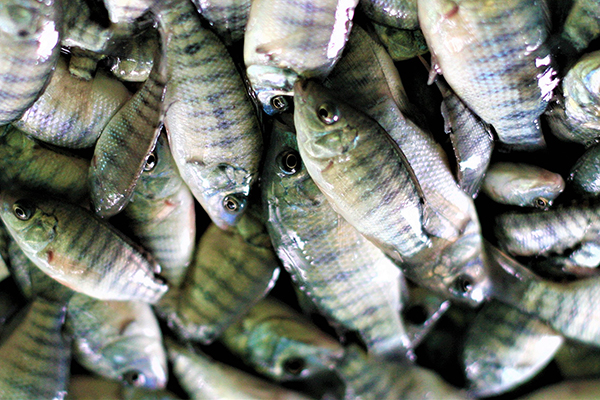
Nanoselenium supplementation increased its bioavailability and improved overall growth as well as the omega-3 fatty acid content of tilapia.
Results indicate it is feasible to achieve high levels of substitution of fishmeal with black soldier fly meal without risking a negative impact.
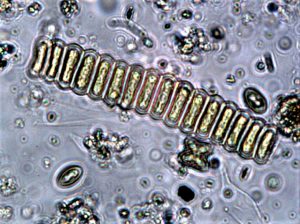
Addition of the microalgae Scenedesmus to tilapia feeds and rearing water improve fish growth and yields without affecting sludge production.
A new study finds marine microalga Schizochytrium sp. could be a more sustainable fish feed ingredient than fish oil if 'more work' occurs across the supply chain.
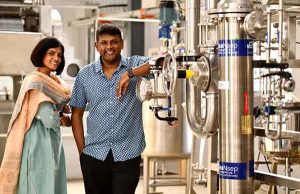
String Bio has raised almost (U.S.) $20 million to advance technology that converts methane into value-added products, such as aquafeed.
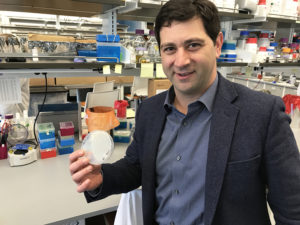
The Canadian government has approved a single-cell protein from U.S. biotechnology company KnipBio for inclusion in farmed salmon feeds.
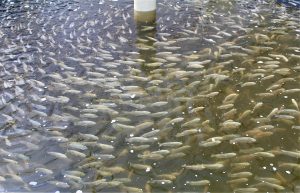
Adding fumaric acid effectively promotes growth, improves intestinal morphometry and decreases pathogenic gut bacteria of Nile tilapia juveniles.
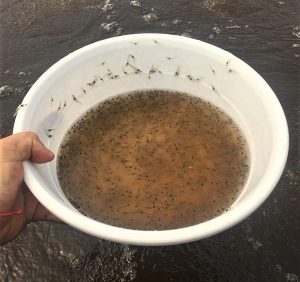
Increasing dietary protein can increase the nutritive value of biofloc, while wheat flour additions can compensate for reduced dietary protein.
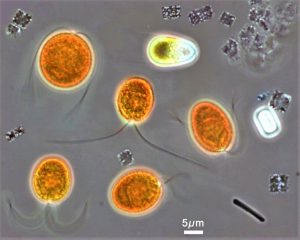
An analysis of the potential and main challenges of large-scale production of microalgae-derived polyunsaturated fatty acids (PUFAs).

Calysseo has launched an industrial-scale facility in China to produce FeedKind® – a microbial protein for the aquaculture market.
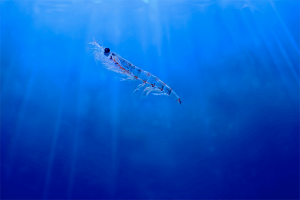
Aker BioMarine announced that the U.S. Food and Drug Administration has approved its krill-based protein meal products for use in salmonid feeds.

A regenerative fishmeal alternative for shrimp feeds from Ocean Ranch is created by the natural conversion of ammonia to protein.
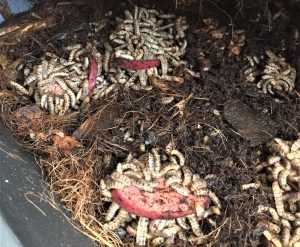
Black soldier fly larvae fed with marine-based substrates displayed an improved lipid profile with higher polyunsaturated fatty acid levels.
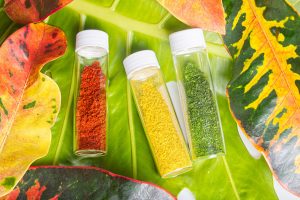
Demand for natural astaxanthin is growing, but prices are prohibitive. A new microalgae technology may unlock an affordable solution for aquaculture.
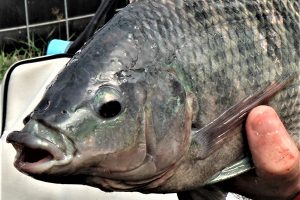
An analysis of the effects of protein and energy intake shows no physiological basis for an optimal P:E ratio for tilapia.
Deep Branch and BioMar will test the performance and digestibility of Proton, a single-cell protein for salmon feeds.