The digestibility of hydrolyzed soy protein
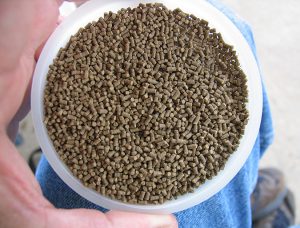
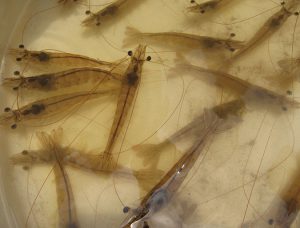
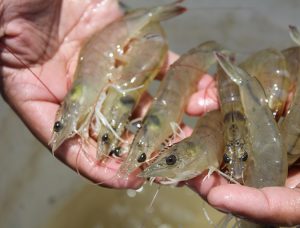
Studies demonstrate that hydrolyzed soy protein can be well digested and utilized by Pacific white shrimp, and that digestibility is improved through a bioprocess with the bacterium Lactobacillus spp.
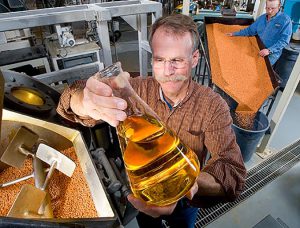
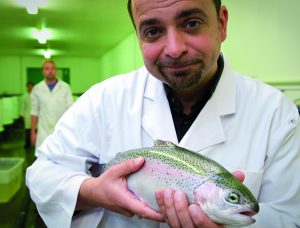
After 14 years with the USDA’s Agricultural Research Service, Rick Barrows talks about the importance of finding ‘complete’ and commercially viable alternative sources of omega-3 fatty acids and continuing innovation in the aquafeed sector.
Studies demonstrate that hydrolyzed soy protein can be well digested and utilized by Pacific white shrimp, and that digestibility is improved through a bioprocess with the bacterium Lactobacillus spp.
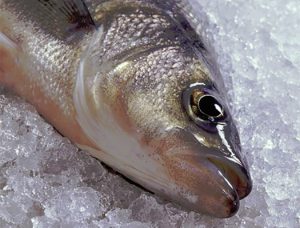
A study assessed the growth performance and fillet fatty acid composition of juvenile hybrid striped bass that were fed various diets containing different levels of fish oil, soybean oil, and blends of both. Results suggest that alternative lipid composition influences the degree of tissue fatty acid profile distortion.
In the second part of our interview with the associate head of research at the School of Life and Environmental Sciences at Deakin University (Australia) he discusses the various alternative sources of omega-3 fatty acids coming on to the market and why research is crucial to advancing aquaculture.
Assuring that aquafeed ingredients are processed properly into a high-quality product requires monitoring each manufacturing process through the proper in-line quality assurance, to produce a consistent quality continuously.
One of the world’s leading fish nutrition experts talks about how aquaculture can learn to survive, and even thrive without depending on fishmeal and fish oil. It’ll take a lot of innovation, but Giovanni Turchini is confident that the industry is on the right path.
Reformulating aquaculture feeds, an industrywide initiative to reduce dependence on wild fish, has changed farmed salmon’s nutritional profile, as BBC News reported recently. The researchers on whose work the report was based say of course it has, yet it remains one of the best sources for these crucial fatty acids.
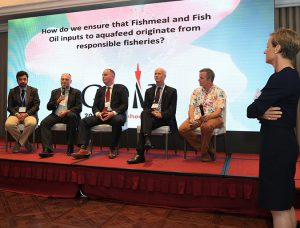
During an informative pre-GOAL special session, several marine ingredient and aquaculture experts discussed the challenges of responsible sourcing of fishmeal and fish oil supplies – essential ingredients in the aquaculture industry’s explosive growth over the past three decades and its future prospects.
Phospholipids are the major constituents of cell membranes and are vital to the normal function of every cell and organ. The inclusion of phospholipids in aquafeeds ensures increased growth, better survival and stress resistance, and prevention of skeletal deformities of larval and juvenile stages of fish and shellfish species.
The proper feed particle sizes of aquafeed ingredients are established by the nutritional requirements of the species targeted and by the feed manufacturing process used. For proper ingredient particle sizes, various characteristics are very important, including particle size distribution and pellet density.
A study conducted with juvenile shrimp (Litopenaeus vannamei) reared in experimental biofloc systems used four treatments. Results indicate that differences in management and carbohydrate source can lead to substantial disparity in system function and production.
The performance of a new fishmeal replacement product was assessed for Pacific whiteleg shrimp juveniles using various experimental diets. Results indicate that this plant-based, fishmeal replacement product could be used to replace significant levels of fishmeal in shrimp aquafeed diets.
Innovation is leading to new ingredient options for renewable sources of omega-3 fatty acids. But Replicating long chain fatty acids is a tall order, Advocate contributor Lisa Duchene discovered.
The stable isotopes technique with δ13C and δ15N can be used to determine the relevance of different food sources to shrimp feeding during the pre-nursery phase of Litopenaeus vannamei culture. During this trial, different types of commercial feed, microalgae, Artemia sp. nauplii and bioflocs were used as food sources.
A competition designed to drive innovation in aquafeeds has doubled its original funding goal and has attracted some of the biggest names in fish feed. F3 has also served as a catalyst for collaboration among feed manufacturers and ingredient suppliers.
Black soldier flies are gaining interest as a leading alternative ingredient in aquafeeds. But will the “ick” factor be a turn-off? Advocate contributor Clare Leschin-Hoar investigates.