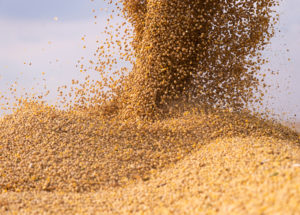
Soy helped build aquaculture into a global force. How far can it take it?
Soy has fueled the growth of aquaculture, but environmental and social concerns for some producing areas are prompting some fish farmers to take stock.



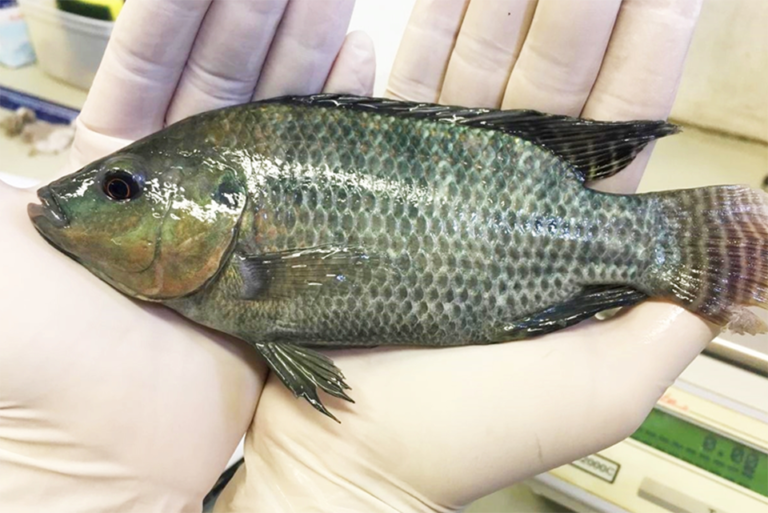
Exogenous enzymes phytase and a xylanase-β-glucanase mixture can, individually or combined, improve growth performance of juvenile Nile tilapia.
Soy has fueled the growth of aquaculture, but environmental and social concerns for some producing areas are prompting some fish farmers to take stock.
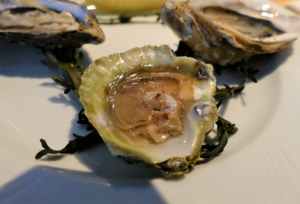
Comparing performance of O. edulis broodstock fed microencapsulated Schizochytrium feed and live algae diets shows potential for bivalve hatcheries.
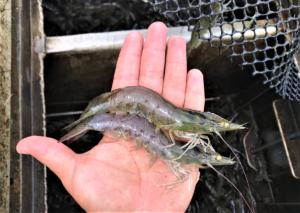
An evaluation of commercial feeds finds them adequate to achieve acceptable shrimp growth in outdoor production conditions regardless of protein source.
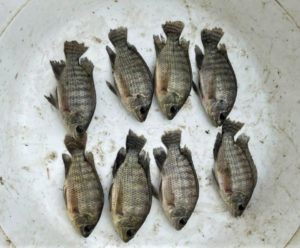
Inclusion of yeast-fermented poultry byproduct meal in Nile tilapia diets, at rates ranging from 11 to 25 percent, improved fish growth and health.
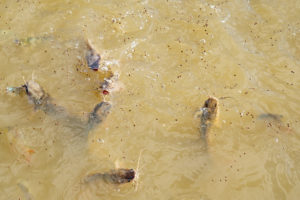
The warning about microplastics pollution is finding its way to aquaculture, as a new study finds contaminated samples of fishmeal, a prominent aquafeeds ingredient.

Reduced-frequency feeding strategies improve the production efficiency of Nile tilapia operations and do not affect growth or survival rates.
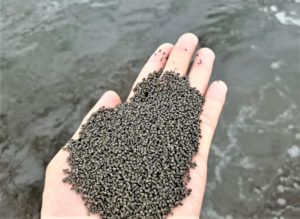
Proteins, lipids and carbohydrates require equal consideration for aquafeed formulators, as each macronutrient influences performance and feed conversion.
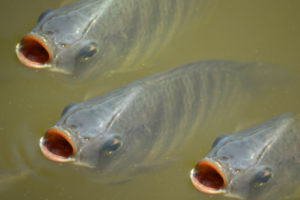
Dr. Monica Betancor, a lecturer at the University of Stirling, talks about the “intrinsic link” between fish nutrition and, ultimately, human health.
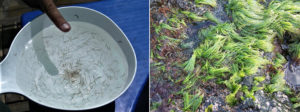
Authors evaluate production efficiency of a filamentous green alga and a microsnail as feeds for black tiger shrimp (Penaeus monodon).
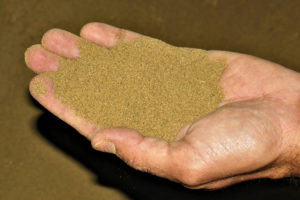
Standardizing the assessment process of aquaculture feed ingredients using a structured approach for assessing their quality.
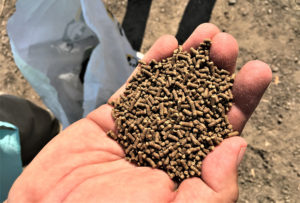
Many strategies can be used to assess the nutritional quality of ingredients. The choice, however, can impact the interpretation of that information.
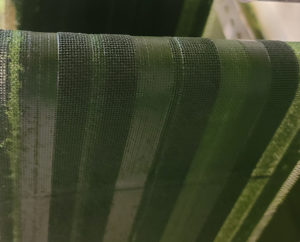
Alabama-based startup is developing a conveyor belt system to culture microalgae in less space than raceways and with a more efficient collection system.
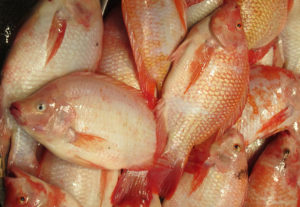
Nutritional study with Nile tilapia compared three microalgal diets to a reference diet containing fishmeal and fish oil levels found in commercial feed.
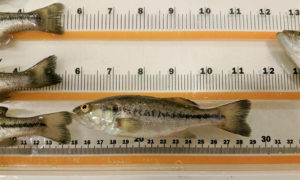
Trials unambiguously demonstrate that marine ingredients can be removed from largemouth bass diets without hampering growth, health or flavor.
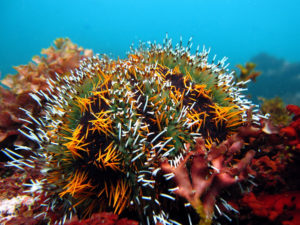
An evaluation of the effects of fresh seaweed diets and manufactured feeds on growth and gonad quality of adult, wild collector sea urchins.