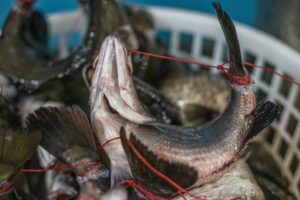
Taiwan will phase out fish arching in markets over animal welfare concerns
Taiwan plans to phase out fish arching through wholesale market restrictions and inspections to address animal welfare concerns.


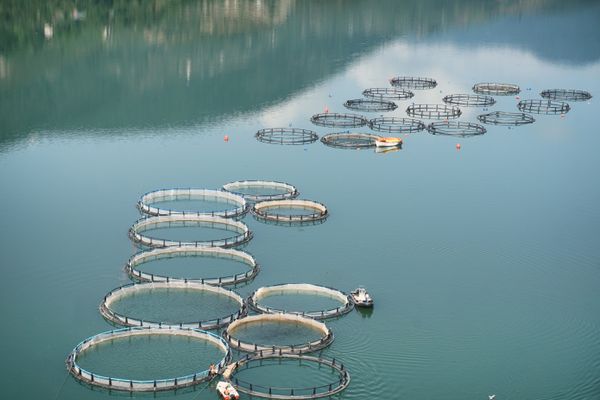
MIT engineers develop silk microneedles for underwater fish vaccination, potentially improving safety and efficiency for aquaculture.
Taiwan plans to phase out fish arching through wholesale market restrictions and inspections to address animal welfare concerns.
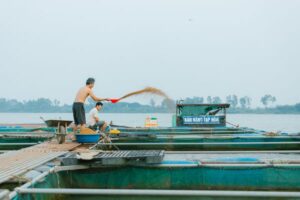
The University of Stirling has received $3.2 million to study antimicrobial resistance in Vietnam’s pangasius farming industry.
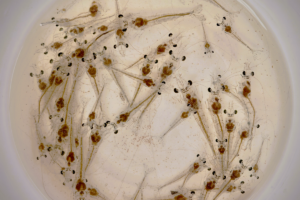
This review of aquaculture literature examines shrimp larvae research gaps, functional attributes of yeast and Edwardsiellosis in tilapia farming.
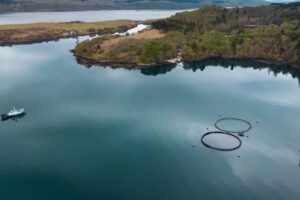
Researchers are analyzing sea lice secretions to identify proteins that could become targets for future vaccines and parasite controls.
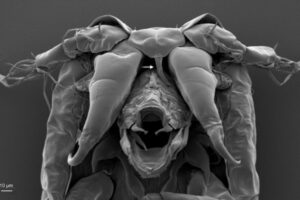
A Nofima researcher is studying whether the rostral spike could lead to new ways to prevent sea lice from attaching to salmon.

Ocean warming could reduce omega-3 levels in fish and other marine organisms, with potential implications for seafood nutrition.
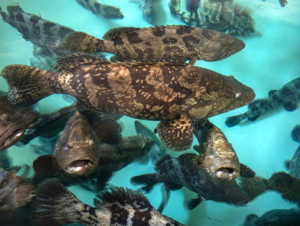
This review of aquaculture literature examines RNA interference in disease prevention, probiotics for shrimp and feed encapsulation technology.

German biotech AquaNab is developing a treatment delivered through aquaculture feed to help salmon farmers control sea lice.
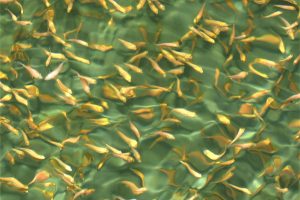
New artificial intelligence research shows real-time fish counting can improve aquaculture monitoring, feeding and stock management.

This review of recent aquaculture literature looks at strategies to transform shrimp aquaculture, unlocking functional benefits in aquafeeds and more.
An AI model identified 97.5 percent of salmon lice larvae in seawater samples, outperforming biologists in both speed and accuracy.

To mitigate the risks of nitrogenous compounds in aquaculture, water quality monitoring, proper management and understanding species' needs are essential.

Epigenetic regulation is a fundamental mechanism enabling the bacteria that cause Columnaris disease to adapt to prolonged starvation.

Three studies confirm a Vibrio parahaemolyticus strain outside China and offer detection and biosecurity advice for translucent post-larvae disease.

SINTEF researchers found stressed salmon produced unusual clicking sounds during experiments examining noise and fish welfare in aquaculture.