


A movement reimagines a shared seafood future for East Asia

Regional initiative unites Japan, China and South Korea around fisheries, aquaculture and seafood supply chain challenges
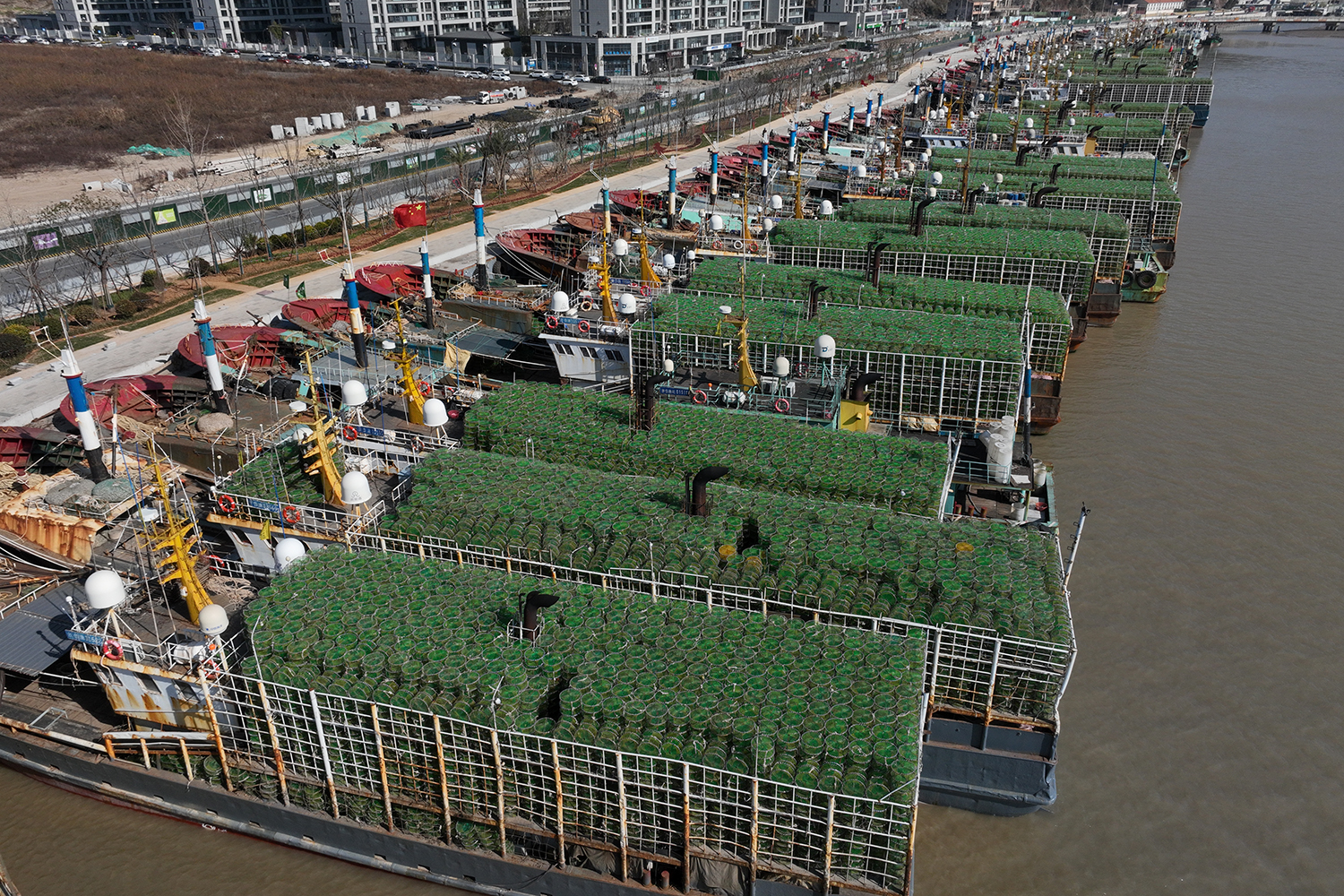
The East Asian seafood market is evolving, driven by growing demand for responsible seafood production and traceability. Already the world’s largest producer and consumer of seafood, the region is increasingly viewed as a potential driver of ocean recovery and responsible production.
Seafood Legacy, a social enterprise based in Japan, is spearheading a new initiative aimed at aligning East Asia’s economic growth with ocean health. Building on more than a decade of work in Japan, the organization is expanding regionally to leverage the region’s market influence and address some of the seafood sector’s most pressing challenges.
“East Asia faces major challenges including resource depletion, overfishing and (illegal, unregulated and unreported) IUU fishing,” Wakao Hanaoka, CEO of Seafood Legacy, told the Advocate. “Market responsibility is a key driver. Responsible sourcing can improve fisheries management, and we aim to strengthen accountability in East Asian markets through locally led action. Japan has over a decade of experience in sustainable seafood procurement, and we are committed to sharing those lessons.”
Through Seafood Legacy and its partners, an “East Asia model” is emerging. The approach combines market influence, relationship building, cross-sector collaboration and practical problem solving to improve seafood stewardship while supporting economic growth. Rather than relying on confrontation or public pressure, it emphasizes trust, stakeholder commitment and measurable progress. The model recognizes seafood’s cultural, economic and ecological importance, encouraging cooperation to protect resources for future generations.
![Ad for [Aquademia]](https://www.globalseafood.org/wp-content/uploads/2025/07/aquademia_web2025_1050x125.gif)
“Across East Asia, supply chains are built on reliability, long-term relationships and trust,” said Hanaoka. “In Japan, companies typically work with suppliers to solve problems rather than end partnerships, reflecting the principle of sanpou yoshi, the idea that business should benefit the buyer, the seller and society. This aligns closely with sustainability and supports long-term commitment.”
Companies are cautious about public commitments, Hanaoka added, preferring to focus on implementation before communication. As a result, the East Asia model emphasizes pragmatic solutions over rhetoric, with collaboration serving as a foundation for long-term change.
Partners including the Qingdao Marine Conservation Society (QMCS) and Ocean Outcomes (O2) are joining the initiative to accelerate progress. Songlin Wang, founder and president of QMCS, agrees with Hanaoka that the model stands out for its strong market connections and emphasis on relationship building.
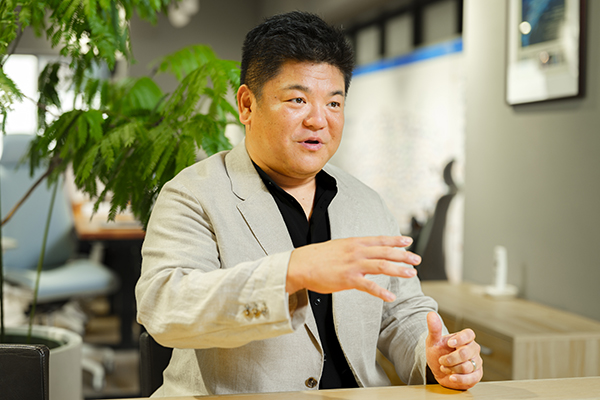
“Progress in East Asia often comes through long-term trust-building among industry, communities, government, researchers and civil society,” Wang said. “The region’s integration across seafood supply chains creates both challenges and leverage for transformation. East Asia favors pragmatic, scalable solutions over confrontation.”
East Asia is no longer simply participating in the global sustainable seafood movement; it is increasingly helping to shape it. The region dominates global seafood production, with trade and investment networks extending around the world. With that scale comes responsibility, said Wang, who sees East Asia’s decisions as critical to ocean health, food security and social equity. The next step, he added, is developing science-based, regionally ground solutions that reflect the realities of the region.
One area the East Asia model focuses on is traceability and supply chain transparency. While digital tools and electronic monitoring are advancing, implementation remains uneven. The region’s fragmented seafood supply chains face challenges in interoperability, incentives and data sharing. Many companies can adopt traceability systems but lack market or regulatory drivers, while small-scale producers often require technical and financial support.
“These topics are still nascent in East Asia,” said Doohyun Park, Korean Fisheries Senior Manager at O2. “Major industrial operators are tech-savvy early adopters, moving from paper records to real-time digital data sharing from the point of harvest. But much of this data never reaches domestic markets because it is not requested. Many processors and traders still rely on paper, and data is often lost along the supply chain. The sheer number of middlemen and the complexity of the system make full transparency, or bait-to-plate traceability, extremely challenging.”
According to Park, the East Asia model can help address these challenges by fostering collaboration among industry, government and other stakeholders. Affordable technologies offer opportunities to improve traceability, while Wang highlights the need for greater standardization and interoperability across countries, along with wider adoption of electronic monitoring and reporting tools. Progress will depend on affordable solutions for small-scale fisheries, stronger demand for transparency and continued government support. Lessons from aquaculture, where traceability systems are generally more advanced, could also help accelerate adoption across the broader seafood sector.
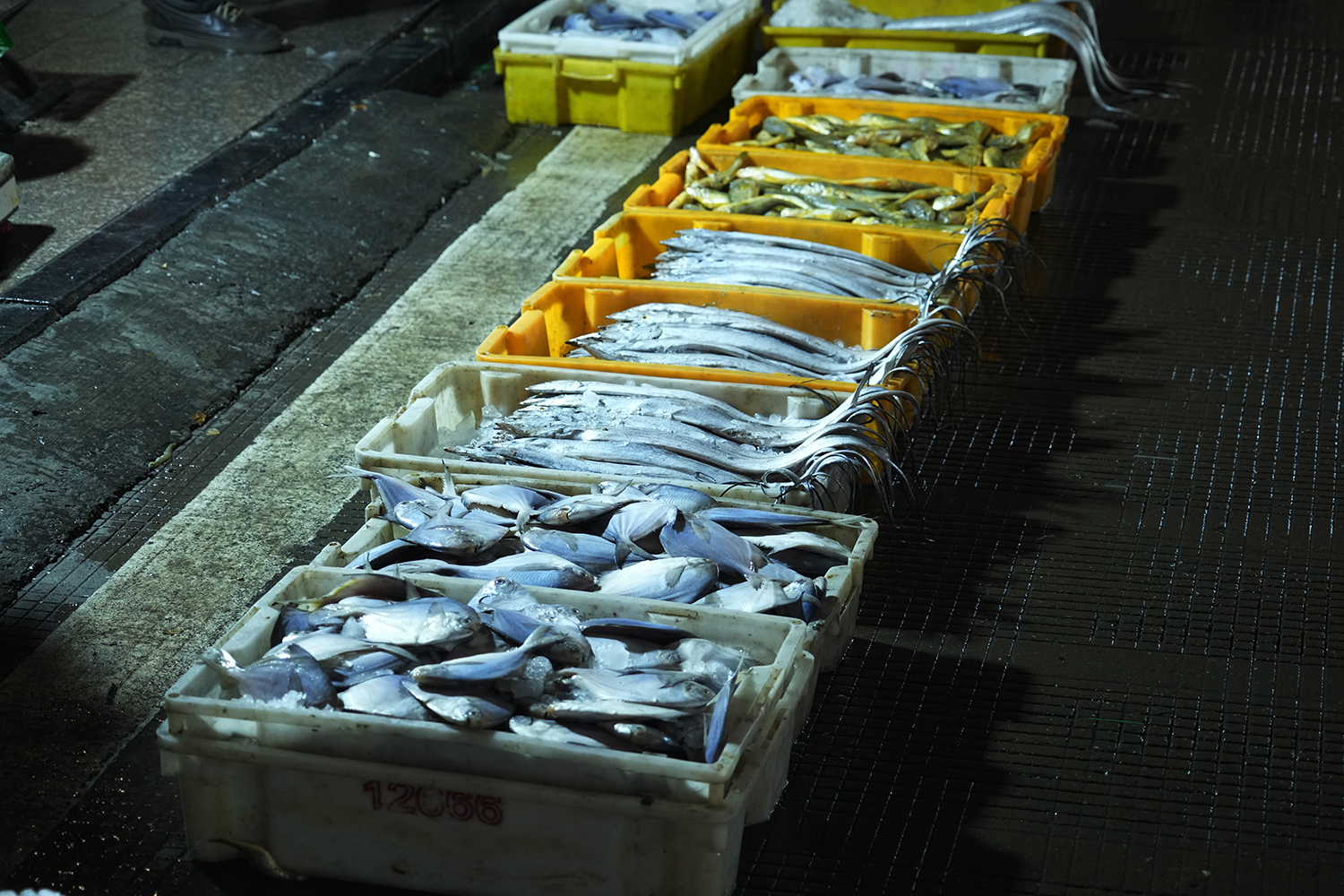
Beyond improving transparency in existing seafood supply chains, the model also seeks to shape the future of seafood production. Aquaculture has therefore emerged as another key focus area. The sector is expected to play an increasingly important role in meeting future seafood demand, particularly in Asia. As a global driver for aquaculture growth, East Asia has an opportunity to lead the development of more responsible and integrated production systems, said Wang. There is growing interest in innovations that reduce environmental impacts while improving social equity and access to nutritious seafood.
“Rather than expanding into top predatory species like bluefin tuna, aquaculture should prioritize low-trophic species like seaweed and abalone, while mullet can be a good finfish candidate,” he said. “Low-impact seafood should underpin our food system, as it’s more nutritious, affordable and equitable while reducing environmental pressure. By leveraging the East Asia model and low-carbon traditions, we can drive global collaboration toward responsible aquaculture. Seafood sustainability is increasingly recognized not only as an environmental issue, but also as a matter of food and nutrition security, economic resilience and social equity. In China, there is growing interest in linking marine biodiversity conservation, ecological restoration and sustainable blue food production into more integrated approaches.”
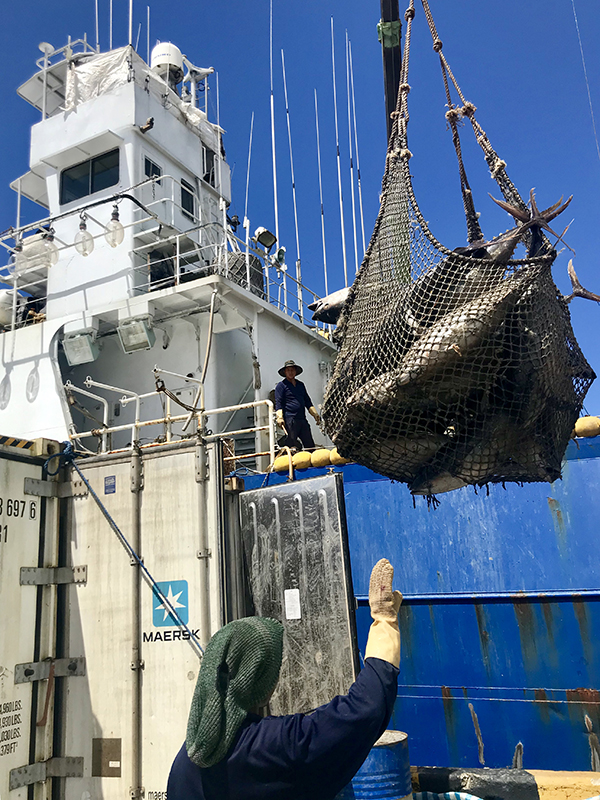
Cross-border collaboration allows companies and stakeholders across East Asia to work together on shared challenges, said Park. Wang adds that this cooperation is supported by both economic interests and cultural connections shaped by centuries of exchange, migration, philosophy and trade. Shared values around collective responsibility, education and social harmony, along with common interests in healthy oceans, food security, resilient supply chains and strong blue economies, provide a foundation for cooperation. In practice, progress often comes from focusing on practical cooperation rather than political differences, with inclusive, non-confrontational spaces helping to build trust and long-term relationships.
“Organizations can work together by explicitly mapping out how their unique roles connect across the supply chain,” said Park. “O2 brings localized technical project experience, such as electronic monitoring, while Seafood Legacy provides market-driven leadership and critical distribution connections in Japan. We work closely with fishers, with teams in Korea and Taiwan providing on-the-ground strategic advice. We also work alongside regional partners who engage directly with the public and have strong influence across the supply chain. The strength in East Asia comes from this: different experts, locations and sectors working together to drive impact.”
“Organizations across East Asia can collaborate by aligning sustainability expectations, sharing lessons learned, supporting improvement efforts and developing more harmonized approaches to traceability and responsible sourcing,” said Wang. “Collaboration must include not only governments and corporations, but also fishing communities, aquaculture producers, researchers and civil society.”
Initiatives such as the Conservation Alliance for Seafood Solutions (CASS) East Asia Exchange and Seafood Legacy’s Sustainable Seafood Summit (TSSS) are also expanding to support solutions tailored to the East Asian context. By strengthening trust and alignment among stakeholders that do not typically work closely together, these platforms provide neutral spaces where sectors can move beyond traditional silos and translate discussion into action.
According to Park, they help turn dialogue into tangible agreements. Industry contributes commercial scale and purchasing power, while NGOs provide independent verification and technical expertise. Meanwhile, the Japan Responsible Seafood Procurement Round Table (JRSR) is working to develop industry-wide guidance on traceability, environmental due diligence and human rights due diligence by the end of 2026. Such approaches are well suited to the East Asia model, where interconnected supply chains and diverse regulatory environments require coordinated action across sectors.
“Over the past decade, TSSS has evolved into a platform for collaborative solutions, reflecting East Asia’s multi-stakeholder approach,” said Hanaoka. “It’s become a key annual forum where companies can announce and track progress on accessibility, equity and accountability, while reinforcing public commitments.”
East Asia possesses the scale, market influence and resources needed to drive global seafood transformation. Achieving that potential will require stronger regional collaboration, closer public-private alignment, and continued investment in collaborative platforms. By integrating seafood sustainability into mainstream economic development, the region has an opportunity to become a global model for environmentally responsible growth that supports livelihoods and strengthens industry accountability.
“Our goal is for consumers to make responsible seafood choices without concern about environmental or social impacts, while preserving seafood culture and diversity for future generations,” said Hanaoka. “This requires a market that supports sustainability and protects the unique diversity of East Asian coastal producers and small-scale fishing communities.”
“Seafood sustainability can be integrated into mainstream economic development, alongside marine biodiversity conservation, climate goals and social equity,” said Wang. “When aligned with the broader social and economic development goals under the SDGs, we are in a much better position to demonstrate that we are developing a new model.”
Now that you've reached the end of the article ...
… please consider supporting GSA’s mission to advance responsible seafood practices through education, advocacy and third-party assurances. The Advocate aims to document the evolution of responsible seafood practices and share the expansive knowledge of our vast network of contributors.
By becoming a Global Seafood Alliance member, you’re ensuring that all of the pre-competitive work we do through member benefits, resources and events can continue. Individual membership costs just $50 a year.
Not a GSA member? Join us.
Author
-

Senior Writer Bonnie Waycott became interested in marine life after learning to snorkel on the Sea of Japan coast near her mother’s hometown. She specializes in aquaculture and fisheries with a particular focus on Japan, and has a keen interest in Tohoku’s aquaculture recovery following the 2011 Great East Japan Earthquake and Tsunami.
Related Posts
Intelligence
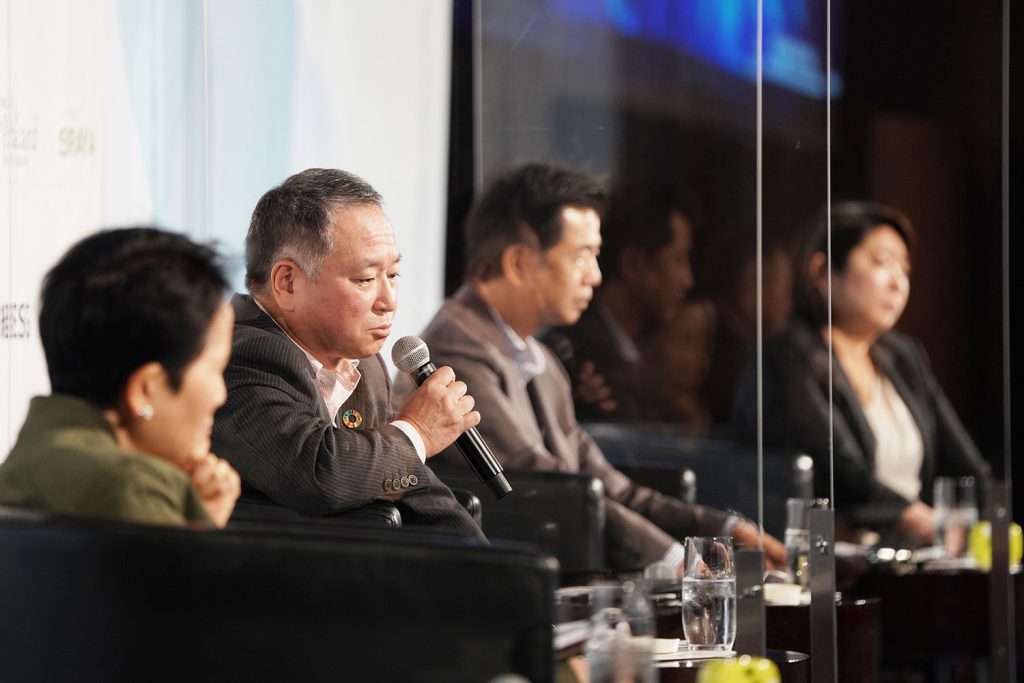
Global interdisciplinary collaboration will drive Japan’s sustainable seafood movement, experts say
The Tokyo Sustainable Seafood Summit tackled tough topics like antimicrobials, traceability, IUU fishing and plastic pollution.
Fisheries
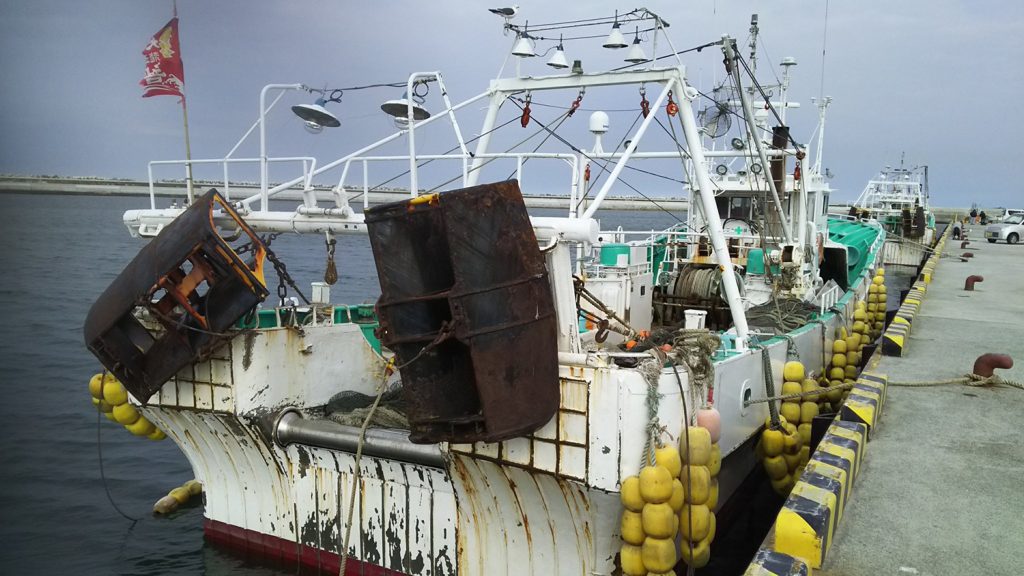
‘It’s been done for decades’ – How the upcoming Fukushima water release could impact Japan’s fishing industry
In Japan, discussions continue and concerns grow as authorities prepare for the Fukushima water release into the Pacific Ocean.

Responsibility
Is a Japanese volcano offering us a sneak preview of ocean acidification?
Shikinejima is a scenic getaway for tourists but the seas surrounding its volcano offer a glimpse of how the ocean could behave in the future.

Intelligence
‘The ultimate setting’: Why Japan wants to grow fish in space
Scientists at Okayama University of Science hope to boost astronaut survival by taking aquaculture where no man has gone before.