


Catch & Culture Review: Marine macroalgae as sustainable biofilters for nitrogen removal

Marine macroalgae remove nutrients, recover resources and produce usable biomass, making them a practical option for improved aquaculture, better wastewater treatment, and a stronger blue bioeconomy
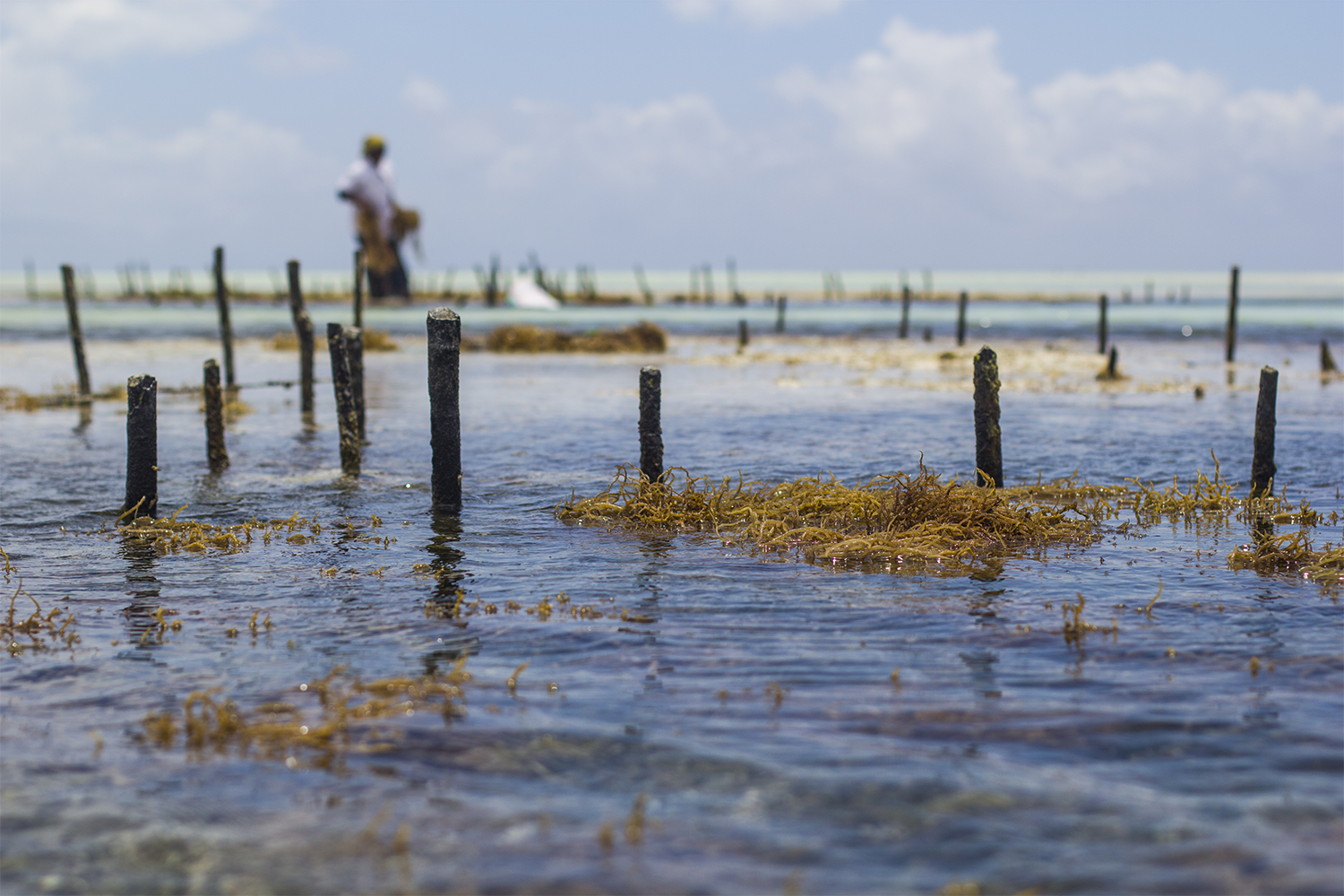
Coastal ecosystems worldwide face serious nitrogen pollution and eutrophication, generating increasing interest in sustainable ways to remove excess nutrients. Marine macroalgae are promising biofilters because they grow quickly, take up nutrients efficiently, and convert dissolved nitrogen into useful biomass.
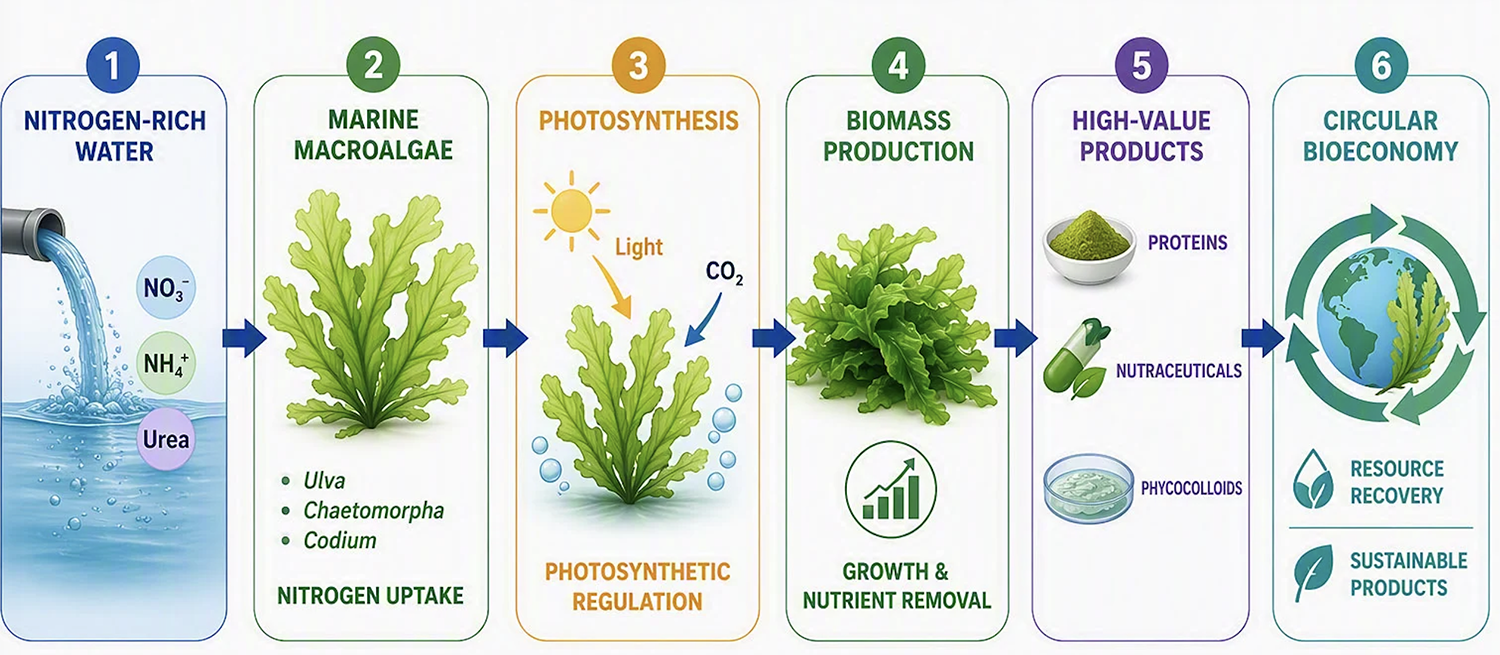
A review by Leonel Pereira of the University of Coimbra in Portugal examines how macroalgae use nitrogen and how that use affects photosynthetic regulation, biofiltration efficiency, and biomass valorization. It focuses on the uptake and assimilation of nitrate, ammonium, urea and dissolved organic nitrogen, and on the physiological pathways that link nitrogen metabolism to photosynthetic performance.
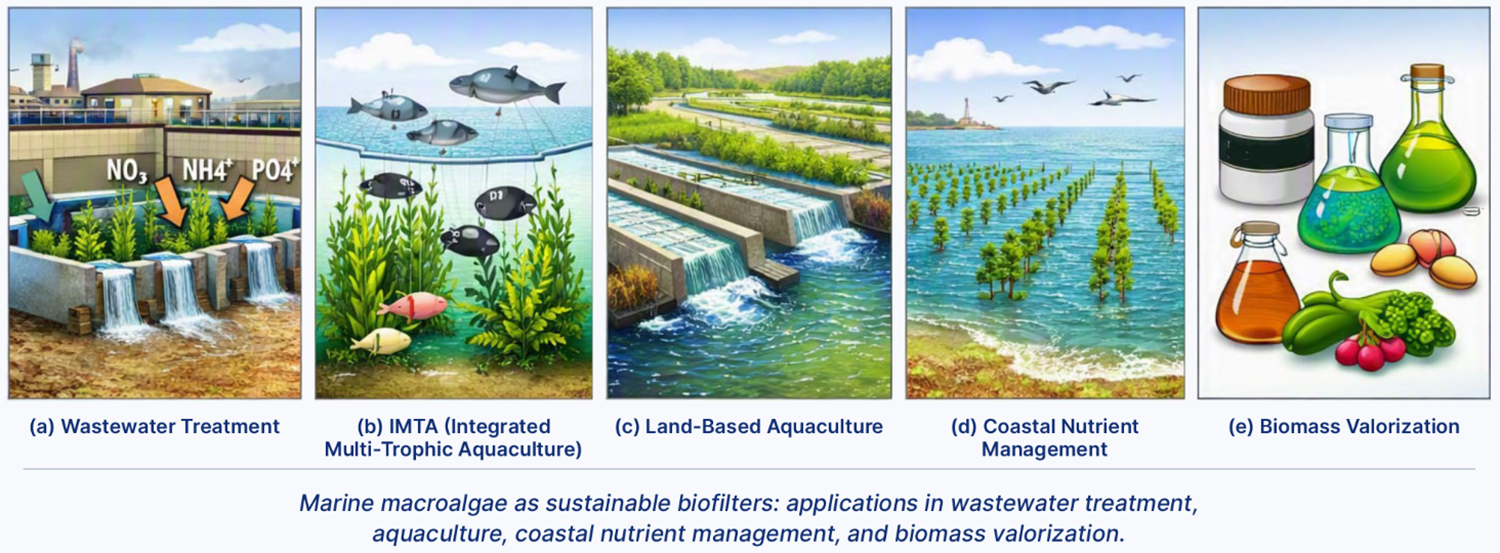
Interactions among nitrogen availability, chlorophyll synthesis, photochemical efficiency and electron transport are discussed to show why nitrogen is central to macroalgal productivity. The review also evaluates macroalgae in wastewater treatment, integrated multitrophic aquaculture (IMTA), land-based aquaculture effluent remediation and coastal nutrient management. It critically assesses environmental and operational factors that control biofiltration efficiency, including light, temperature, salinity, water flow, seasonal variability and species selection.
The study then considers how recovered biomass can be valorized as protein, nutraceutical compounds, phycocolloids, agricultural biostimulants and other high-value bioproducts within circular bioeconomy models. Future research needs include climate-change impacts, multifunctional cultivation systems, omics-based tools, physiological modeling and the challenges of large-scale implementation.
![Ad for [Aquademia]](https://www.globalseafood.org/wp-content/uploads/2025/07/aquademia_web2025_1050x125.gif)
Overall, marine macroalgae offer a sustainable, multifunctional route to nutrient remediation, resource recovery and biomass production, with clear potential for more environmentally responsible aquaculture, wastewater management and blue-bioeconomy development.
Relevance of research findings to the industry
For aquaculture, the practical message is that seaweed in an IMTA or recirculating setup is not an optional green add-on. It is a nitrogen sink whose output depends on light and on the form of nitrogen coming out of the animal tanks. Operators who track only residual ammonium and ignore photosynthetic condition will misread why removal drops on cloudy weeks or at high stocking density. Species choice also has market consequences: Ulva may clear nitrogen quickly and suit feed or biostimulant uses; Gracilaria or kelp may grow more slowly but carry a phycocolloid price.
For wastewater and coastal managers, the same logic applies at a larger scale. Macroalgae will not replace every treatment plant. They are most plausible where nitrogen is dissolved, water is saline or brackish, light is available, and there is somewhere for the harvest to go. Seasonal change is the complication that is hard to design around. A system sized on summer uptake will underperform in winter, so either the footprint, the species mix, or the retention time has to be adjusted with the year. Water flow is just as significant: if the exchange is too slow, the thalli (the bodies of macroalgae) exhaust the nutrients in the boundary layer and then starve; if it is too fast, the algae do not stay in contact with the water long enough for uptake to count.
Feed, food-ingredient and hydrocolloid buyers have a stake as well. Nitrogen-rich effluent tends to raise tissue protein, which is useful for feed and less useful if the buyer demand is for a gel strength specification. Valorization only works if the cultivation regime that maximizes removal does not impact the specific trait the buyer is looking for. That is a quality-control problem, not only an environmental issue.
Perspectives
Marine macroalgae thrive in very different habitats largely because they are efficient at obtaining and utilizing nitrogen. They can take up nitrate, ammonium, urea and dissolved organic nitrogen, which means growth does not stop every time the nutrient supply shifts. When nitrogen becomes available, they can respond quickly. Transporters, reduction enzymes and assimilation pathways convert that external nitrogen into the compounds the cell actually needs, and that supports both productivity and day-to-day metabolism.
The three main macroalgae groups do not do this in the same way. Green, brown and red macroalgae differ in uptake speed, storage and how efficiently they assimilate nitrogen, and those differences look like adaptations to particular niches. Fast-growing greens are especially useful when the goal is rapid nutrient removal. Browns tend to store nutrients and draw on them across seasons. Many reds are unusually flexible and can use both inorganic and organic sources. That physiology affects where a species can live and which species it can outcompete. It also decides, in practical terms, which alga is worth trying in a different aquaculture or remediation settings.
These details matter more now that coastal eutrophication and nutrient pollution are widespread and demand for sustainable biomass is rising. Work in molecular biology, physiology and cultivation is starting to show how nitrogen metabolism is controlled and how that control feeds through to growth, photosynthesis and tissue composition. The applied benefit is direct: better cultivation systems, more reliable biofilters and IMTA layouts that are designed around the biology rather than added on afterwards.
If nitrogen supply in production systems is managed properly, yields can rise, high-value compounds can be produced in larger amounts, and excess nutrients can be pulled out of the water at the same time. With the blue bioeconomy expanding, macroalgae are likely to show up more often in food and feed, bioremediation, lower-carbon technologies and nutraceutical, pharmaceutical and biotech products. Their basic advantage is simple – they turn surplus nitrogen into biomass someone can use.
Getting these systems into real use is another matter. Remediation, productivity and metabolite accumulation often pull in different directions, and cultivation conditions have to be chosen with that trade-off in mind. Nutrient balance, carbon supply, contaminants, biomass safety, cost, scale-up and regulation all still get in the way. Biological fine-tuning on its own will not be enough, and lifecycle and techno-economic research is needed to support commercialization.
The review also looked at what macroalgae and microalgae contain, and at how that composition fits food, nutrition, and diet applications, including more sustainable food systems. Algae are rich in protein, fiber, essential fatty acids, vitamins, minerals, and a wide range of bioactive compounds, which is why they keep appearing as functional ingredients. They are already being tried in functional foods, nutraceuticals, protein fortification, and more individualized diets. On the environmental side, they use resources efficiently, can shrink footprints, and fit circular bioeconomy models reasonably well. But this does not mean they are ready to carry global nutrition or food-security goals on their own, because more cross-disciplinary research, better processing technology, and clearer regulations are needed before they become a normal part of the food system rather than a promising option.
Water temperature, stocking density, and exposure time affect Pacific white shrimp susceptibility to waterborne WSSV
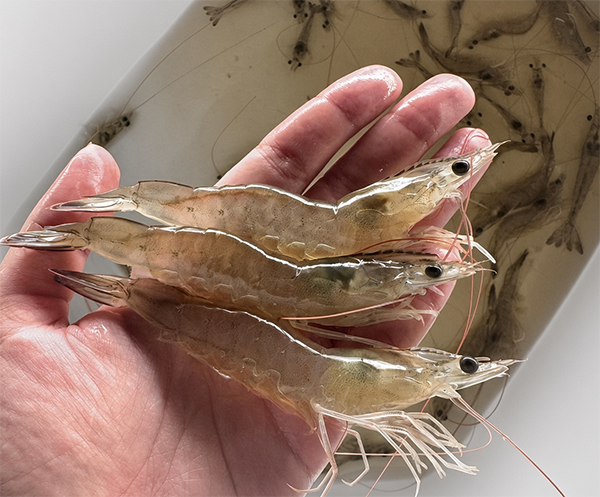
In pond-based shrimp culture, seawater exchange can bring White Spot Syndrome Virus (WSSV) in from coastal waters, but the infection risk at a given viral concentration depends on temperature, stocking density, and how long the shrimp are exposed.
A study by Min Jae Kim and colleagues at the National Fishery Products Quality Management Service, Gyeongsang National University, and at Pukyong National University (Republic of Korea) tested the susceptibility of Pacific white shrimp (Penaeus vannamei) to waterborne WSSV under those conditions.
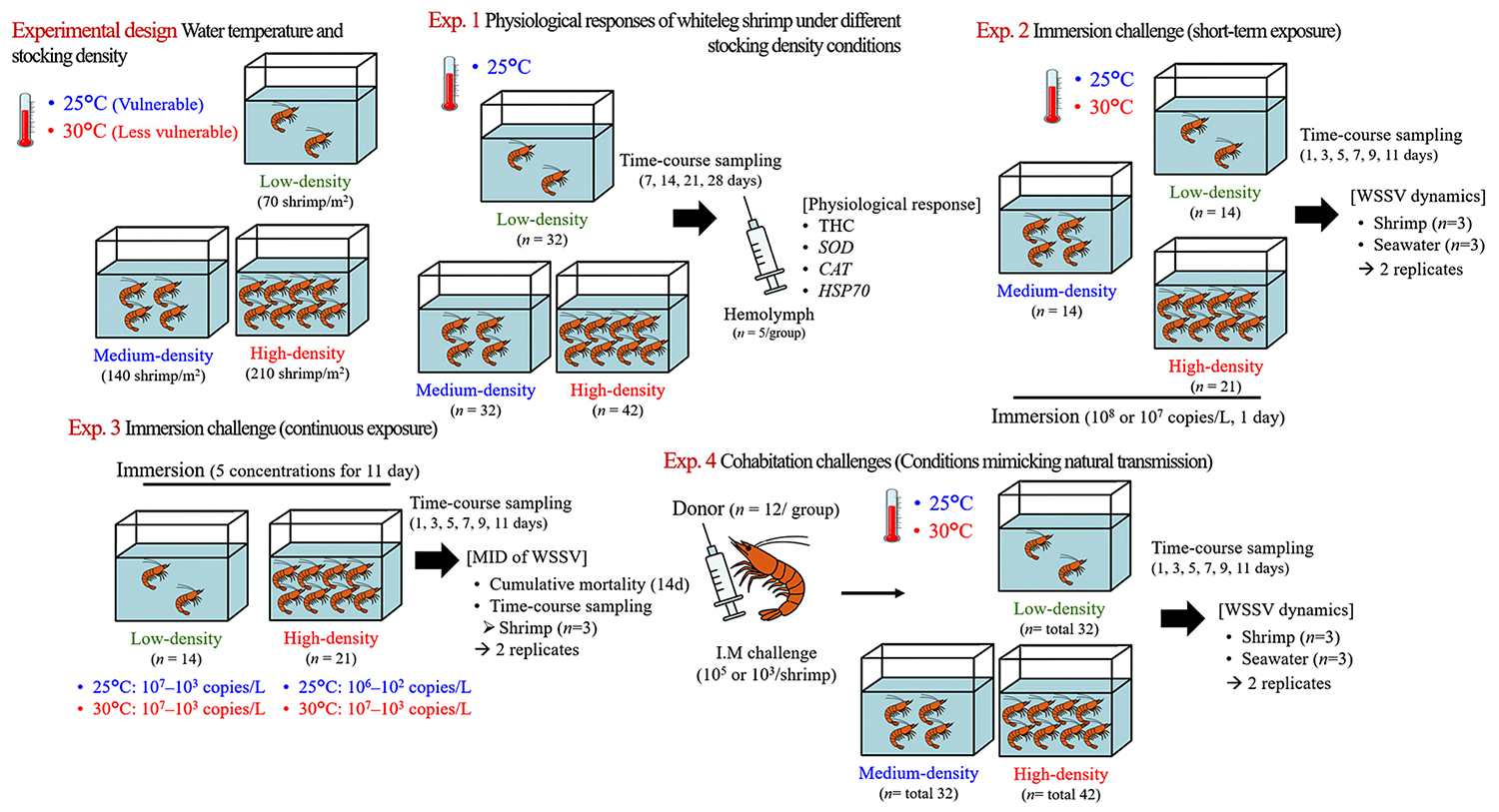
Shrimp were reared at 25 or 30 degrees-C and at low, medium, or high density (70, 140, or 210 shrimp/m²). Physiological responses were measured, and the animals were then challenged by short-term immersion, continuous immersion, and cohabitation.
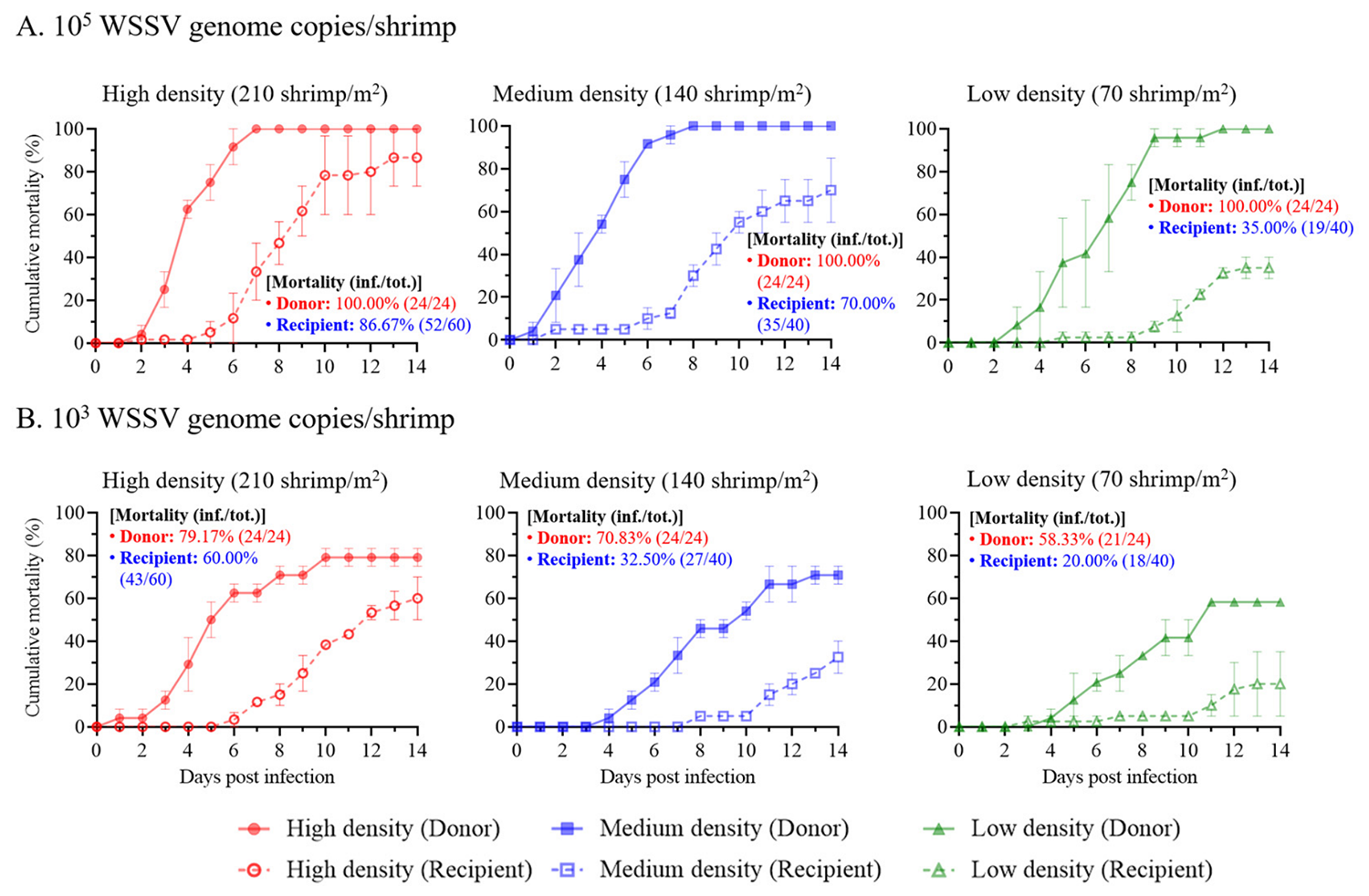
Results showed that higher stocking density was associated with stress-related physiological changes and greater susceptibility to WSSV. After short-term exposure, 10⁷ WSSV genome copies/L caused infection only in the high-density group at 25 degrees-C. Under continuous exposure, the minimum infective dose was 10⁵ and 10⁴ genome copies/L at low and high density at 25 degrees-C, and 10⁶ and 10⁵ genome copies/L, respectively, at 30 degrees-C. Cohabitation transmitted the virus at seawater viral loads below those that infected shrimp during short-term immersion.
Linking measured seawater concentrations with these minimum infective doses and cohabitation outcomes shows that waterborne WSSV risk should be judged from viral concentration, exposure duration, water temperature, and stocking density together, not from concentration alone.
Overall, the authors argue that waterborne WSSV risk has to be read against four things at once: viral concentration, how long the exposure lasts, temperature, and stocking density. A coastal survey that reports viral copies per liter, without those other three, is hard to translate into a decision about whether to pump and exchange pond water or not.
Relevance of research findings to the industry
For a pond operator, the practical split is between a short exchange and water that stays. A brief intake at 10⁷ copies per liter did not infect shrimp at 30 degrees-C, or at low and medium density even at 25 degrees-C. The same farm, stocked at 210 shrimp per square meter and held near 25 degrees-C, did get infections from that pulse. Density and temperature are management choices. Viral load in the bay often is not.
Continuous exposure is the harder case, and it is also the more realistic one if intake water is left in the pond. At 25 degrees-C and high density, infection occurred at 10⁴ copies per liter. That is a thousand-fold below the short-exposure dose that infected only the most susceptible group. Biosecurity rules built on a single threshold will miss this. A concentration that looks tolerable for a one-hour fill can be enough if that water remains in the pond for the next week.
Cohabitation pushes the point further. Once a few shrimp are infected, shed virus infected others at loads below the short-immersion threshold. Early removal, or stopping exchange once clinical signs appear, is not a minor prevention step, but is the difference between a contained introduction and in-pond amplification.
Robins McIntosh on everything you need to know about EHP and shrimp farming, part 2
Temperature gives a partial lever, not a cure. Thirty degrees raised the minimum infective dose (MID) by roughly tenfold relative to 25 degrees-C at the same density. Farms that can hold ponds warmer during a known coastal risk period may buy some margin. They should not treat 30 degrees-C as protection, because in the tests, high density at 30 degrees-C still infected at 10⁵ copies per liter under continuous exposure conditions.
The density result also goes against the idea that crowding only matters after an outbreak, through contact rate. Study results showed that crowding was associated with stress-related physiological change and with a lower infective dose, before cohabitation is even considered. Overstocking makes the first introduction easier and then makes spread from that introduction faster.
Perspectives
Water temperature, stocking density, viral concentration, and exposure time all affect how readily Pacific white shrimp pick up waterborne WSSV. The minimum infective dose (MID) was not a fixed property of the virus. It dropped at 25 degrees-C relative to 30 degrees-C, and it dropped again when stocking rose from 70 to 210 shrimp per square meter. A short immersion at 10⁷ genome copies per liter infected only the high-density group at the cooler temperature. When the same animals remained in contact with the water, infection occurred at much lower loads: 10⁴ to 10⁵ copies per liter at 25 degrees-C, and 10⁵ to 10⁶ at 30 degrees-C, depending on density. Cohabitation carried the infection at seawater loads below those that failed to infect in a brief immersion, which suggests that once a few shrimp are shedding, in-pond transfer can outrun the risk posed by a single intake pulse.
Therefore, incoming coastal water should not be evaluated on the viral concentration alone. The same count can be tolerable during a short exchange in a warm, lightly stocked pond, or enough to start an infection if that water stays in a cool, crowded pond. Considered against exposure time and rearing conditions, and alongside routine seawater monitoring, these thresholds give a quantitative basis for risk-based decisions on when to pump, how long to hold intake water, and at what densities to stock the ponds.
Modulating the gut microbiome of farmed aquatic animals with postbiotics and paraprobiotics
Reducing reliance on the use of therapeutic antimicrobials by the global aquaculture industry will require alternatives that still work under the processing and biosafety limits of intensive production, where repeated bacterial disease continues to cause large economic losses.
A review by Nguyen Dinh-Hung and colleagues at Chiang Mai University and Prince of Songkla University (Thailand) and the University of Arizona (USA) brings together current evidence on postbiotics and paraprobiotics in aquaculture, covering structural classification, pattern-recognition receptor signaling, intestinal barrier function, innate immune priming, encapsulation technologies and readiness for practical use.
Live probiotics are the most studied microbiome-based option, but they have practical drawbacks: poor survival during pelleting and extrusion, only temporary gut colonization, host responses that vary by strain, biosafety concerns over horizontal transfer of antimicrobial-resistance genes, and uneven regulation across regions.
Postbiotics – preparations of non-viable microbial biomass, with or without metabolites, that have a demonstrated health benefit in the target host – and paraprobiotics, which focus on inactivated whole cells that retain surface-associated microbial molecular patterns, may avoid several of these problems. They are more clearly defined in composition, more stable during feed processing, and potentially safer from a biosafety standpoint.
Because they are not alive, their effects on pathogens do not require growth or competitive colonization. They may instead act through antimicrobial compounds already present in the preparation, interference with pathogen attachment, changes in the intestinal environment, stronger barrier function, and stimulation of host immunity.
Overall, the evidence supports them as promising alternatives to live probiotics in antibiotic-reduction strategies, though they are not yet fully characterized. Wider commercial use will depend on clearer dose-response data, proof of stability in formulated feeds, and evidence of efficacy in specific species.
Relevance of research findings to the industry
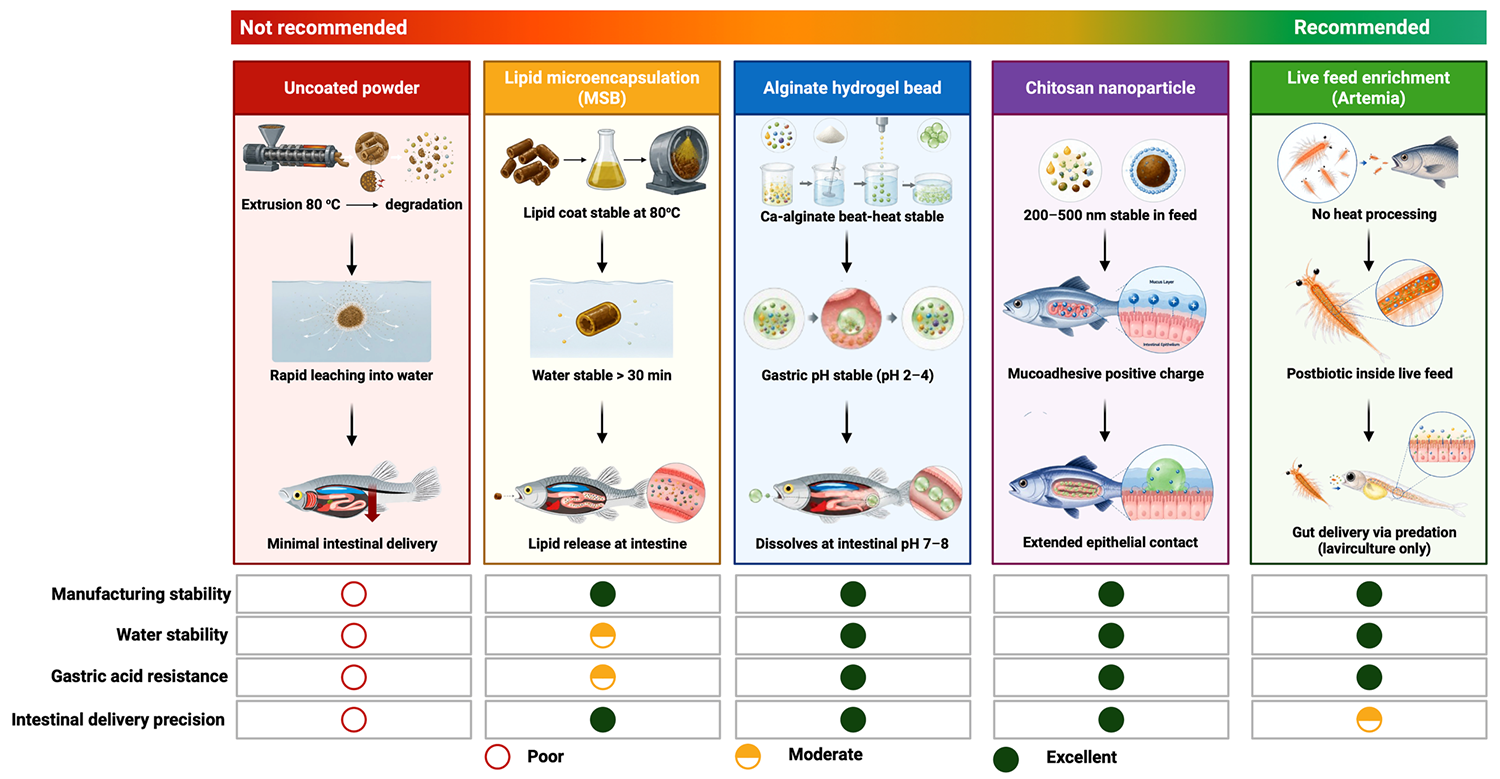
For a feed mill, what matters is stability, whether the preparation stays intact through processing. A live probiotic often has to be coated on after extrusion, which adds a step and a viability check. A heat-killed preparation, or a metabolite mix that tolerates 80 degrees-C, can go into the mash, but this is only useful if the mill has data for that product in that equipment die temperature and that pellet, and this review does not provide a universal inclusion rate. Dose-response curves are one of the gaps it flags, and without them a formulator is guessing between a dose that does nothing and a dose that is wasted.
For a farm, these products are not a stand-in for biosecurity, vaccines where they exist, water quality, or a treatment decision when a bacterial outbreak is already underway; and the authors place them within an integrated health management program. The realistic use is preventive: gut barrier support, immune priming and fewer occasions on which an antibiotic is the first tool reached for. That case is stronger in hatcheries and nursery systems, where a bath, a water dose, or enriched live feed can be controlled, than in a large open pond where dilution and exchange wipe out a water-applied product.
For a regulator or a buyer, the biosafety argument is the one that will matter. A non-viable preparation cannot colonize the farm or the discharge, and it should not shuttle resistance genes. That advantage holds only if residual viability is actually tested after inactivation, and if the product is sufficiently characterized that two batches are the same thing. Yeast cell wall, a named short-chain fatty acid (SCFA) mix, and a heat-killed Lactobacillus are not interchangeable, even if all three are sold under a similar claim.
Perspectives
Overall, this thorough review brings together what is currently known about postbiotics and paraprobiotics in aquaculture, from how these preparations are classified to how they are recognized by the immune system, how different species respond and how hard they are to deliver in feed. It also sets out the gaps that still limit their use.
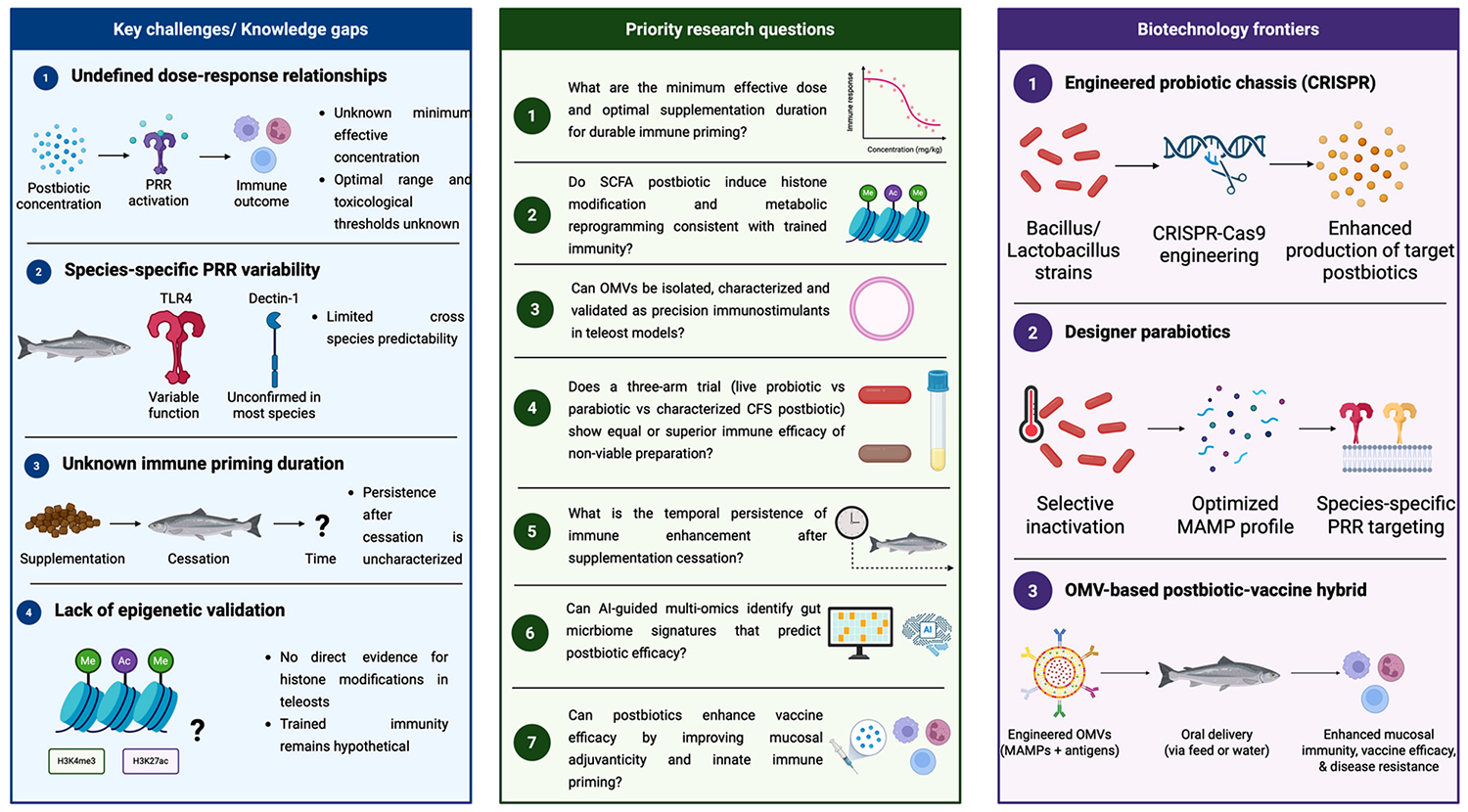
Commercial use requires three aspects discussed by the authors: dose–response relationships, stability in real formulated feeds and efficacy that has been shown in the species being farmed. Farm-scale trials are largely still needed, as is addressing the question of how long any immune gain lasts after the feed is stopped.
Heat-killed microbial preparations, formulations that contain short-chain fatty acids, and yeast cell-wall products can support innate immunity, gut barrier function, and disease resistance in controlled trials. The strength of that evidence is uneven, and it depends on the species, the product and the way it is delivered.
A role for SCFA-related preparations in trained-immunity-like responses is plausible, but direct evidence of chromatin-level change in the main farmed species is still thin. Clearer dose-response work, better product characterization, data on stability through feed processing and trials at farm scale are needed before these products can be treated as routine tools.
When additional research provides these missing pieces of information, postbiotics and paraprobiotics could become regular components of integrated health programs that aim to make intensive aquaculture systems more resilient and less dependent on therapeutic antimicrobials.
Now that you've reached the end of the article ...
… please consider supporting GSA’s mission to advance responsible seafood practices through education, advocacy and third-party assurances. The Advocate aims to document the evolution of responsible seafood practices and share the expansive knowledge of our vast network of contributors.
By becoming a Global Seafood Alliance member, you’re ensuring that all of the pre-competitive work we do through member benefits, resources and events can continue. Individual membership costs just $50 a year.
Not a GSA member? Join us.
Author
-

Editor Emeritus
Related Posts
Responsibility
Advancing the ecosystem services of aquaculture
The Nature Conservancy was inactive in aquaculture until new program leader Robert Jones joined. His focus is on the positive outcomes of responsible aquaculture.
Responsibility
Ocean acidification isn’t just a carbon story – it’s also about nitrogen
Dr. Barry Costa-Pierce on the connection between nitrogen, carbon dioxide and ocean acidification, and the importance of restorative aquaculture.
Responsibility
Conscious coupling: Can IMTA gain a foothold in Europe?
Integrated multitrophic aquaculture (IMTA) isn’t widely practiced in Europe but new findings indicate that farming multiple species on one site can work.
Health & Welfare
AHPND is a chronic disease in Pacific white shrimp from Latin America
There is a new phase of infection for Acute Hepatopancreatic Necrosis Disease on Latin American shrimp farms, a contrast to observations in Southeast Asia.