
Responsibility
Strategies for reducing the phosphorus impact of freshwater fish farms
Greater knowledge of phosphorus processes is essential to reduce phosphorus pollution from open-flow fish farms and improve environmental performance.


Responsibility
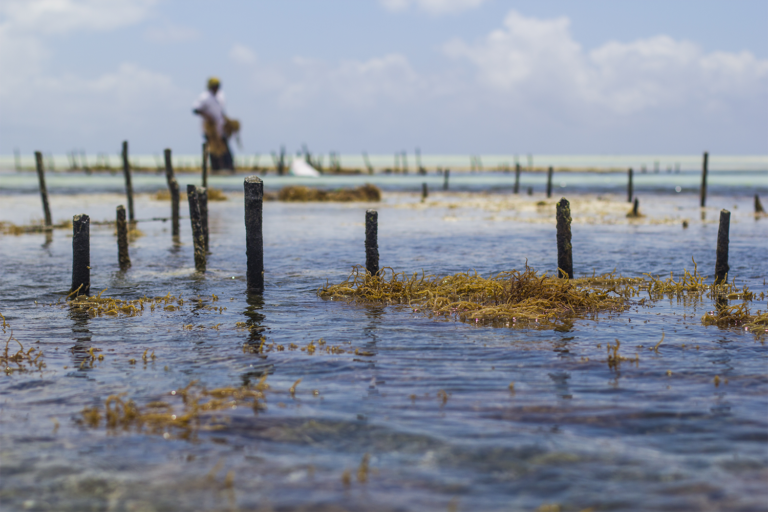
This review of aquaculture literature assesses how macroalgae and microalgae can enrich functional foods, nutraceuticals, protein-fortified products and personalized diets.
Responsibility
Greater knowledge of phosphorus processes is essential to reduce phosphorus pollution from open-flow fish farms and improve environmental performance.

Responsibility
Prof. Boyd discusses eutrophication of water bodies, effluents and nutrients from aquaculture facilities, and aquaculture certification along with the difficulties to develop maximum acceptable concentration limits and load limits for nitrogen and phosphorus discharge.
Intelligence
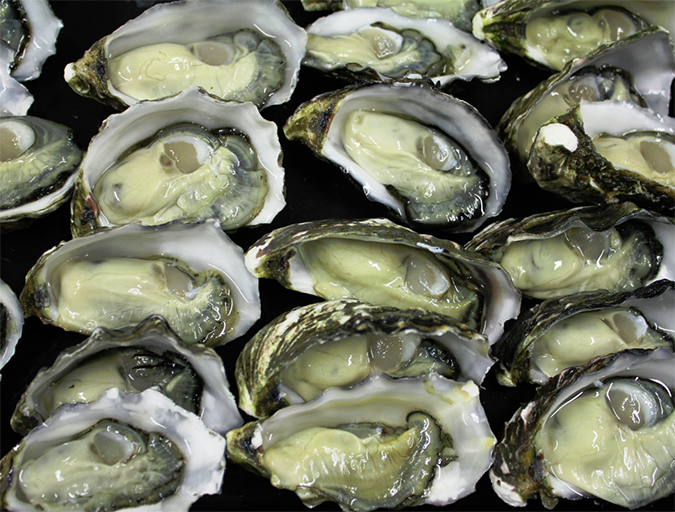
According to the World Health Organization, 2 billion people are affected by mineral and vitamin deficiencies. Aquaculture producers should review the mineral content of culture waters and in fish diets and whether they can manipulate these two key variables.

Responsibility
Culture cages should be installed in areas with good water circulation and not placed in embayments with narrow openings or very shallow water.

Responsibility
Both aquaculture effluents and production costs can be reduced by using stock-specific feeds applied in smaller quantities several times a day.

Responsibility
Nitrogen and phosphorus are contained in aquaculture pond effluents, and these two nutrients can cause eutrophication of natural waters.