


Grievance systems exist for seafood workers, but they’re infrequently used. What is industry missing?

ITF: Fishers often do not trust that their employers’ grievance mechanisms are confidential
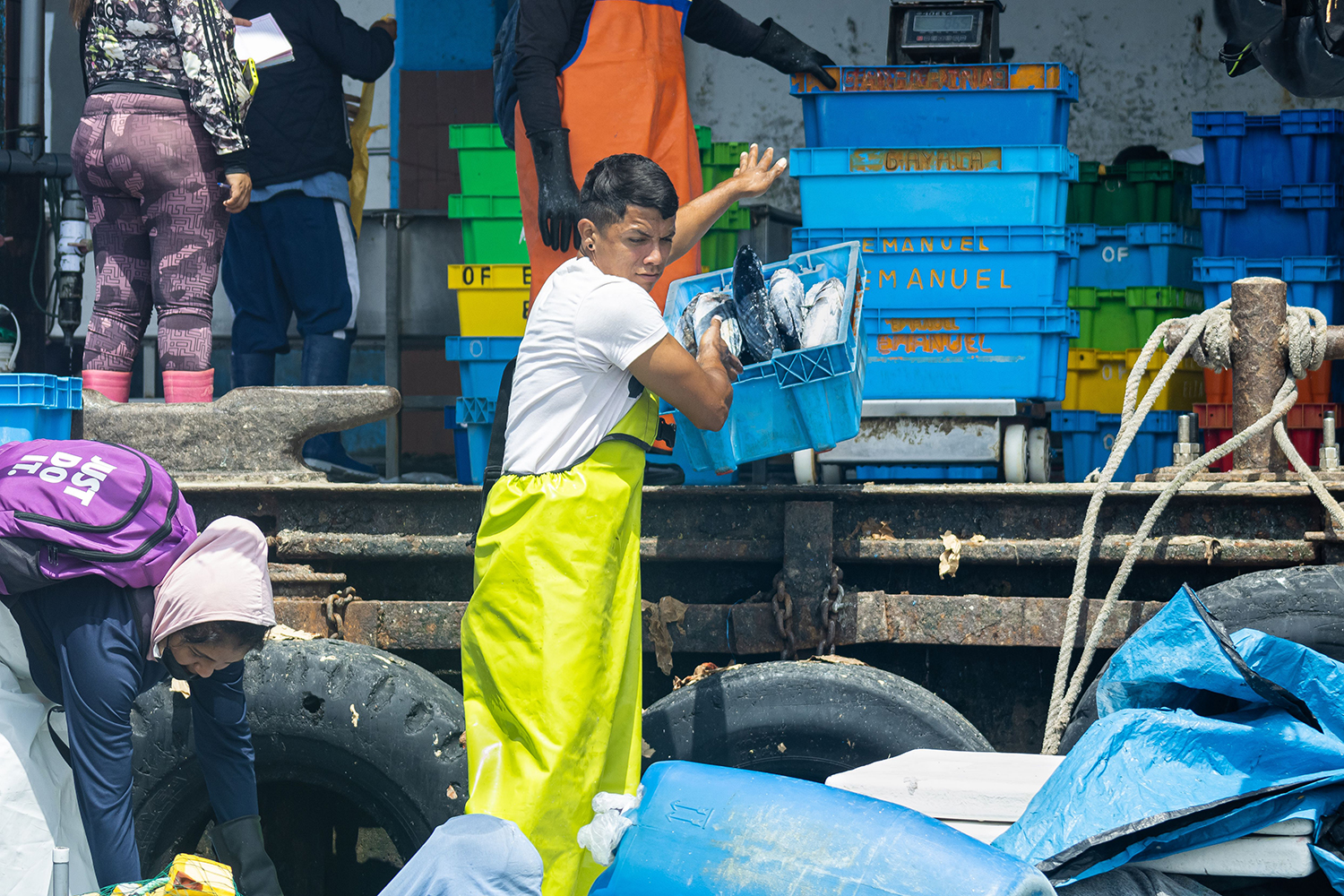
Worker grievance systems are meant to give fishers, processors and other seafood laborers a safe way to address issues, seek recourse and improve working conditions. And while the seafood industry has invested heavily in audits, certifications, hotlines and worker grievance mechanisms intended to improve labor conditions and identify abuse in supply chains, many of these systems remain underused, and the problem of forced labor within the industry persists.
According to a U.S. Department of Labor 2026 study of work conditions on distant water fishing vessels, 77 percent of respondents met the criteria for forced labor, with 89 percent experiencing involuntary work and 82 percent experiencing coercion.
The situation is especially grim in Asia, where the Department of Labor also found that all workers on vessels flagged to China experienced forced labor; 87 percent of workers on vessels flagged to Taiwan and 50 percent of workers on vessels flagged outside Taiwan or China (including Japan, Kenya, Malaysia, Micronesia, Portugal, South Korea, Spain, the United States and Vanuatu).
“Frankly, the seafood industry has not done well enough in the area of human rights,” said Dave Martin, global supply chains director at Sustainable Fisheries Partnership (SFP). “We haven’t done enough as an industry in this space.”
![Ad for [membership]](https://www.globalseafood.org/wp-content/uploads/2025/07/membership_web2025_1050x125.gif)
Several factors differentiate the various grievance-reporting systems that work – and those that don’t – and what role the industry plays.
Why workers may avoid or distrust grievance systems
Grievance systems fail for multiple reasons. Sometimes it’s a logistics issue, said Chris Williams, fisheries section coordinator at the International Transport Workers’ Federation. In theory, there should be a grievance mechanism at ports, but workers may not know who to contact to use them.
“Often authorities aren’t equipped to deal with international labor issues,” he said. A port state worker may be from a different country than the worker, coming from a flag of a ship from yet another country. Language can also be a barrier, which means workers “can’t get access to remedy when they’re at work.”
But workers often have little reason to trust that the programs will work, he added, especially if they tried to use it and didn’t get a satisfactory result.
Williams said that industry has focused on ensuring workers have access to Wi-Fi, which on the surface seems like a good thing. The U.S. Labor Department found that 60 percent of workers rarely or never had access to communicate with friends, family and support organizations while at sea because of the limited or non-existent Wi-Fi or other communication options. They also found that 39 percent could not access identification documents in port if needed.
Williams said that while better connectivity is a positive step, it’s not the end point.
“Supply chain seems to be obsessed with this idea that the two issues are grievance mechanism and Wi-Fi,” said Williams, and if put in place, that due diligence is done. But that “doesn’t have any bearing on workers on the ground,” if they don’t feel they can come forward and raise a grievance without getting blacklisted or discriminated against.
Grievance mechanisms also need to allow a worker to report anonymously – and ensure that anonymity is genuine.
“If it’s through an app that is owned by your employer or owned by your recruiter, how do you know data and information won’t go to them and won’t be used to get rid of you?” he said.
One reason that grievance mechanism reform has been focused on working with the seafood supply chain is to change the focus of who these audits and certifications really benefit. Many, said Martin, “are not actually set up to protect workers. They’re set up to protect big companies that they’ve done their due diligence and ticked this box,” he said.
To get beyond what audits are saying about these programs, Global Seafood Alliance has partnered with Labor Solutions to conduct anonymous worker surveys, which includes questions on grievance mechanisms, said Amy McGann, director of social responsibility at GSA. These surveys can be “followed by a self-diagnostic tool to help facility management understand the worker feedback and identify root causes,” she said. Companies can also receive assistance so that they can get help creating site-specific actions to close gaps in their program and build “maturity and systemic change.”
Grievance systems that work
In their The First Mile and the Bottom Line: Unlocking a Financially Viable Model for Ethical Seafood through Worker Engagement report, which was a five-country field investigation, the Issara Institute found nine critical components of effective worker engagement mechanisms.
Those are safeguards; culturally and linguistically appropriate communications channels and tech; private, unmonitored access; remediation responsiveness and results; zero-tolerance policies against retaliation; no conflicts of interest, including corruption; education about rights and the terms and conditions of contracts and pay; worker validation of remediation; and demonstration of a genuine service mindset to workers.
Is the seafood industry prepared for the next level of transparency under CSRD?
Ensuring these nine components can help turn grievance systems into something that helps seafood companies check a box, and into real worker protections, which benefits consumers as well.
“This produces a clear goal: Seafood certs [certifications] can start providing conscientious seafood consumers, as well as the brands and retailers selling certified seafood, with more reliable, credible assurances that their certified products are not tainted with forced labor,” Lisa Rende Taylor, founder and executive director of the Issara Institute, wrote in an email. “They just need to figure out how they are willing to evolve their certification and business model to make space for creditable worker engagement mechanisms.”
When the Issara Institute presented this report at Seafood Expo Global/Seafood Processing Global in April of this year, and conducted interactive polls after, they found that less than 5 percent of attendees thought that seafood certification should keep focused on environmental policy only. The willingness is there, but it won’t be easy.
“We know this is a considerable amount of work, but it’s overdue,” Rende said. “Otherwise, these certs are at risk of continuing to certify forced labor-tainted seafood, which will just become more of a liability to brands and retailers as the U.S., Canadian and EU customers and trade laws get more serious about blocking the import of forced labor-tainted seafood.”
Williams said that grievance mechanisms also work when within the framework of a collective bargaining agreement.
“[They] explain exactly how to do it, what to do with it, and what steps to take,” he said. Most importantly once you’ve been through that procedure, it acknowledges whether a worker has received remedy.”
Now that you've reached the end of the article ...
… please consider supporting GSA’s mission to advance responsible seafood practices through education, advocacy and third-party assurances. The Advocate aims to document the evolution of responsible seafood practices and share the expansive knowledge of our vast network of contributors.
By becoming a Global Seafood Alliance member, you’re ensuring that all of the pre-competitive work we do through member benefits, resources and events can continue. Individual membership costs just $50 a year.
Not a GSA member? Join us.
Author
-

Jen A. Miller is a New Jersey-based writer whose work has appeared in everything from The New York Times to Engineering News Record.
Related Posts

Responsibility
‘Do more and do better’ – Sustainability manager discusses Skretting’s ambitious agenda
Aquafeed giant Skretting recently appointed Jorge Diaz as its sustainability manager to advance its ambitious sustainability agenda.
Responsibility
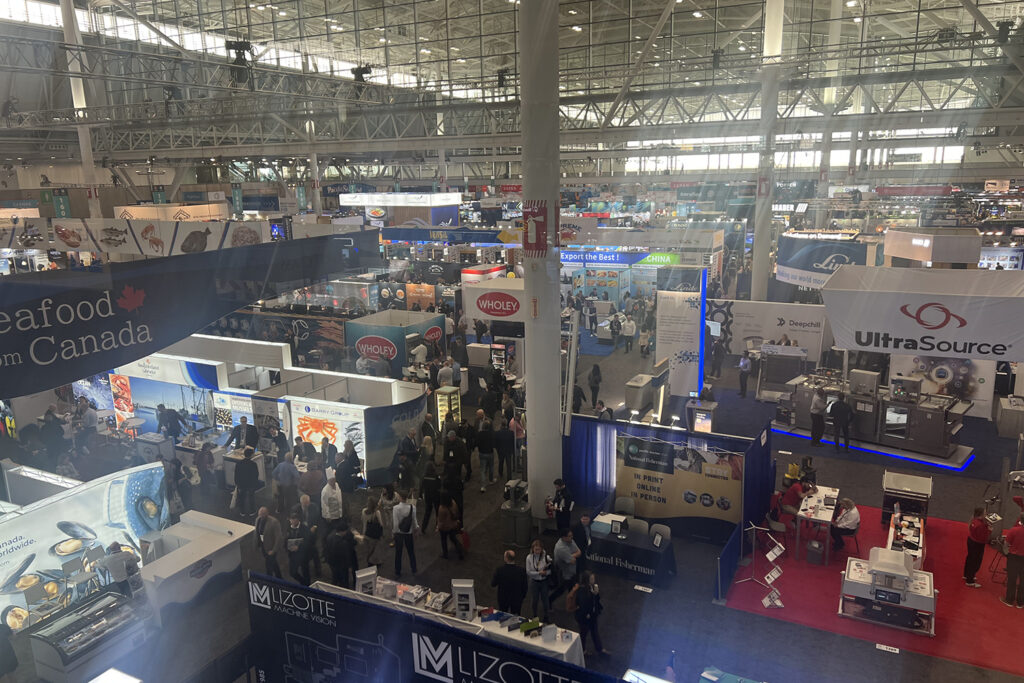
‘It’s not something new’: Addressing human rights due diligence in seafood sourcing at Seafood Expo North America
Fishermen, NGOs and industry representatives share tales of human rights due diligence work in seafood procurement at Seafood Expo North America.

Fisheries
Why WiFi? A connectivity crisis is a threat to fishing crews’ well-being
A lack of affordable and reliable Wi-Fi for crews jeopardizes their well-being and exposes them to exploitation and illegal fishing practices.

Responsibility
Intelligence, integrity in the fight against forced labor in seafood
In previewing the SeaWeb Seafood Summit, the Advocate examines human rights in the supply chain and the people who advance solutions in rooting out worker abuses. In part one of a three-part series, Environmental Justice Foundation co-founder Steve Trent talks about linking environmental security with human rights.