


Study finds giant kelp may hold clues for future carbon capture technologies

Researchers mapped a key kelp photosynthesis structure that may help explain carbon absorption and inform carbon capture technologies
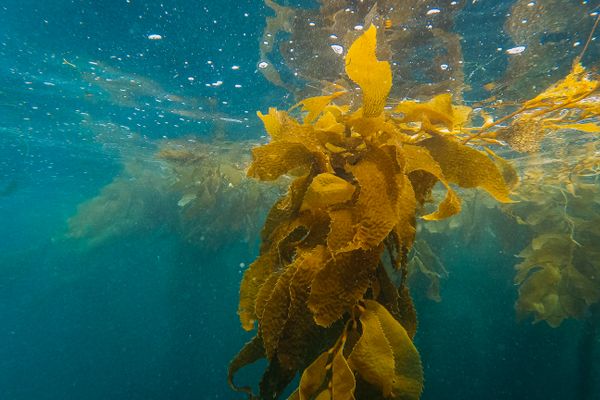
New research reveals how giant kelp captures light and removes carbon dioxide from the atmosphere, offering insights that scientists say could help inform future climate solutions.
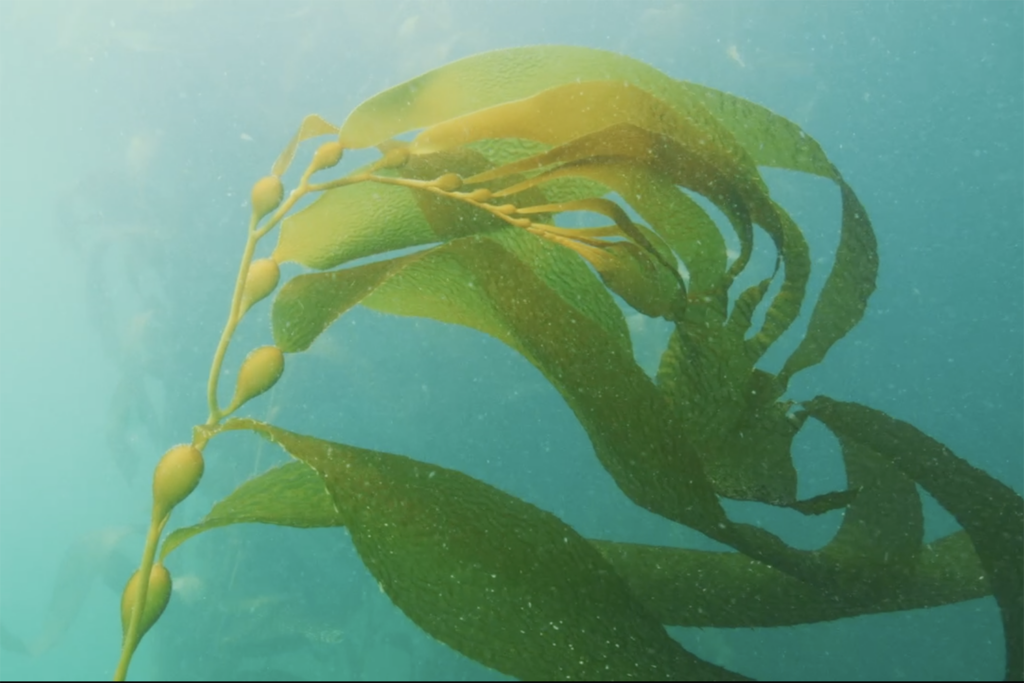
The study, published in Nature Communications, examined one of the antenna-like structures kelp uses for photosynthesis. Researchers mapped the tiny light-harvesting structure and say its unique architecture may help explain why kelp is highly effective at capturing light and removing carbon dioxide from the atmosphere.
“These molecular insights are crucial as we look for new ways to enhance carbon capture, to regenerate ocean ecosystems and to develop sustainable food sources in a warming world,” said Dr. Maria Maldonado, lead researcher and senior lecturer and lab head in the Monash Biomedicine Discovery Institute (BDI).
While photosynthesis has been extensively studied in land plants and many marine organisms, the inner workings of kelp have remained less understood. For the first time, the research reveals the molecular arrangement of part of kelp’s photosynthetic machinery, providing a closer look at how the organism converts sunlight into energy.
![Ad for [Aquademia]](https://www.globalseafood.org/wp-content/uploads/2025/07/aquademia_web2025_1050x125.gif)
“By visualizing the structure of giant kelp’s photosynthetic supercomplex, we can finally see how these organisms have adapted the architecture of their antenna to thrive in coastal regions,” said Dr. Maria Maldonado, lead researcher and senior lecturer at BDI.
Playing favorites: How selective breeding can grow the seaweed sector
Researchers say the discovery could have implications beyond kelp biology. Kelp ecosystems act like underwater forests that absorb as much carbon dioxide as the Amazon, and Maldonado said a better understanding of how kelp captures energy could help scientists explore new ways to improve crop growth and develop technologies that remove carbon dioxide from the atmosphere.
“What’s really exciting is that the methods we’ve developed will open the door to understanding a whole range of kelp molecular and cellular biology,” Dr. Maldonado said. “It is a major step forward in our quest to harness the natural efficiency of marine photosynthesis for global environmental solutions.”
Now that you've reached the end of the article ...
… please consider supporting GSA’s mission to advance responsible seafood practices through education, advocacy and third-party assurances. The Advocate aims to document the evolution of responsible seafood practices and share the expansive knowledge of our vast network of contributors.
By becoming a Global Seafood Alliance member, you’re ensuring that all of the pre-competitive work we do through member benefits, resources and events can continue. Individual membership costs just $50 a year.
Not a GSA member? Join us.
Author

Related Posts
Intelligence
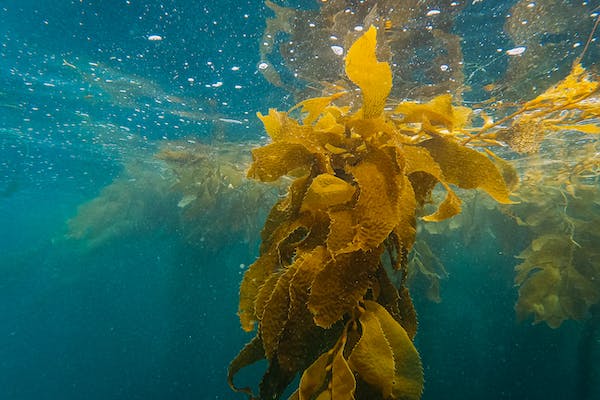
Can tapping into environmental DNA reveal kelp’s carbon sequestration potential?
A new global research project leverages environmental DNA to better measure and understand the carbon sequestration potential of kelp.
Responsibility
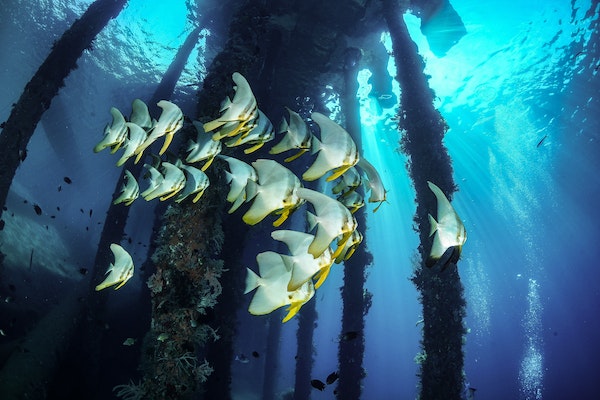
Can artificial reefs in seagrass meadows help protect the ocean against climate change?
A new study finds that artificial reefs can bolster seagrass growth in the tropics and help mitigate climate change.
Responsibility
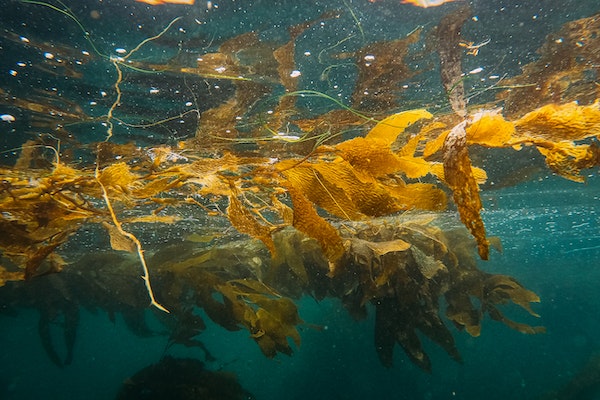
Study: Large-scale seaweed farming for carbon capture ‘may not be feasible’
A new study raises concerns about the feasibility of global seaweed farming as a potential large-scale carbon capture solution.
Responsibility
Are giant kelp forests carbon sinks? Environmental DNA technology offers clues
Researchers in New Zealand use environmental DNA to track carbon from giant kelp and assess its potential for carbon sequestration and climate solutions.