


Feed and hatchery technologies seek to scale oyster reef restoration in Europe

European oyster reef restoration projects turn to new hatchery and feed technologies to improve oyster spat survival
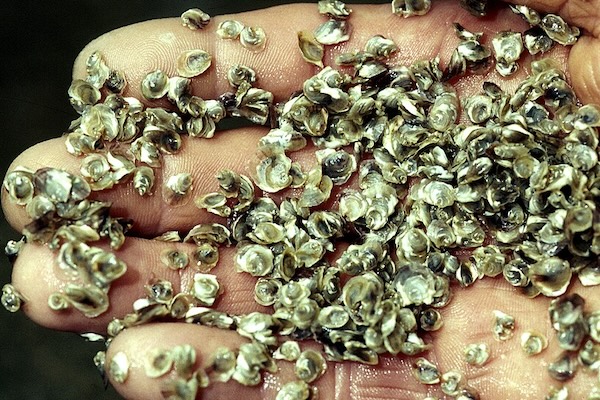
A large-scale oyster reef restoration project in Orkney will see more than 15 million juvenile oysters introduced to coastal waters as part of a long-term effort to rebuild depleted populations and restore marine ecosystems.
The project, led by North Bay Innovations (NBI), will focus on the Bay of Firth, where oysters were once abundant before being heavily overfished. Researchers involved in the initiative say restoring oyster beds could improve water quality, support marine biodiversity and contribute modestly to carbon sequestration.
The oysters will initially be raised in a mobile hatchery system using disease-free brood stock sourced from elsewhere in Scotland, which is currently being quarantined in Orkney. Pending regulatory approvals, project leaders hope the first oysters could be released in spring 2027.
The initiative, funded by the Green Britain Foundation, the Nature Restoration Fund, Marine Fund Scotland and NBI, could also serve as a model for oyster reef restoration efforts elsewhere in the UK.
![Ad for [BSP]](https://www.globalseafood.org/wp-content/uploads/2025/07/BSP_B2B_2025_1050x125.jpg)
“We want to ensure that as many as can survive towards the end of the first year, whether that be 10 percent, 15 percent, 20 percent, we don’t know; it is a numbers game,” Dennis Gowland, marine biologist and owner of NBI, told Yahoo News. “The idea is to put as many down on the seabed as possible that are fit – a bit bigger – to avoid easy predation, so that there is as big a chance as possible of surviving.”
Oysters can filter up to 200 liters of water per day, helping improve water quality and create habitat for fish, birds and other marine life.
The project could also contribute to carbon sequestration, although those involved said the impact would depend on restoration efforts expanding at a much larger scale.
“It’s not like a carbon capture programme where you put a huge amount of energy in to capture carbon by the thousands of tonnes – this is a much slower process,” Gowland said. “In the full life history of the oyster it works out as 5 grams per adult, per year, so it’s not a lot but if you’ve got various beds around the country – billions of oysters – then that suddenly makes thousands of tonnes of CO2.”
The Orkney initiative is part of a broader wave of oyster reef restoration projects emerging across Europe as researchers and companies look for ways to rebuild native oyster populations that have collapsed over the past century.
Native European oysters once formed extensive reef systems across European coastlines, supporting marine biodiversity, improving water quality and helping stabilize coastal ecosystems. But overharvesting, disease outbreaks and competition from invasive Pacific oysters have caused populations to decline across much of their historic range.
Study: Aquaculture can be ‘part of the solution’ to marine ecosystem restoration
One of the biggest challenges facing restoration projects is producing enough juvenile oysters — and enough feed to sustain them in hatcheries during their earliest stages of development.
To help address that bottleneck, Norway-based Restorae AS has partnered with Japan-based Nosan Corporation to introduce a juvenile bivalve feed technology called SpatCare to restoration and aquaculture projects outside Japan.
The shelf-stable feed supplement is designed to support growth in oyster spat as small as 2 millimeters by supplementing traditional live feed. According to the companies, the product has been used in Japan for more than 20 years and could help improve survival rates in European oyster restoration programs.
Over the next several months, Restorae and Nosan Corporation plan to work with commercial, scientific, government and nonprofit partners to test the feed with native European oysters. If successful, the companies aim to expand the technology to restoration projects across Europe.
“The feed’s nutrient profile and particle size make it an ideal ‘baby formula’ for juvenile bivalves,” said Pia Ve Dahlen, marine biologist at Restorae. “If the feed works for bivalves in Europe as it has for Japan, this could be game-changing for oyster restoration efforts around the world.”
Now that you've reached the end of the article ...
… please consider supporting GSA’s mission to advance responsible seafood practices through education, advocacy and third-party assurances. The Advocate aims to document the evolution of responsible seafood practices and share the expansive knowledge of our vast network of contributors.
By becoming a Global Seafood Alliance member, you’re ensuring that all of the pre-competitive work we do through member benefits, resources and events can continue. Individual membership costs just $50 a year.
Not a GSA member? Join us.
Author

Related Posts
Innovation & Investment
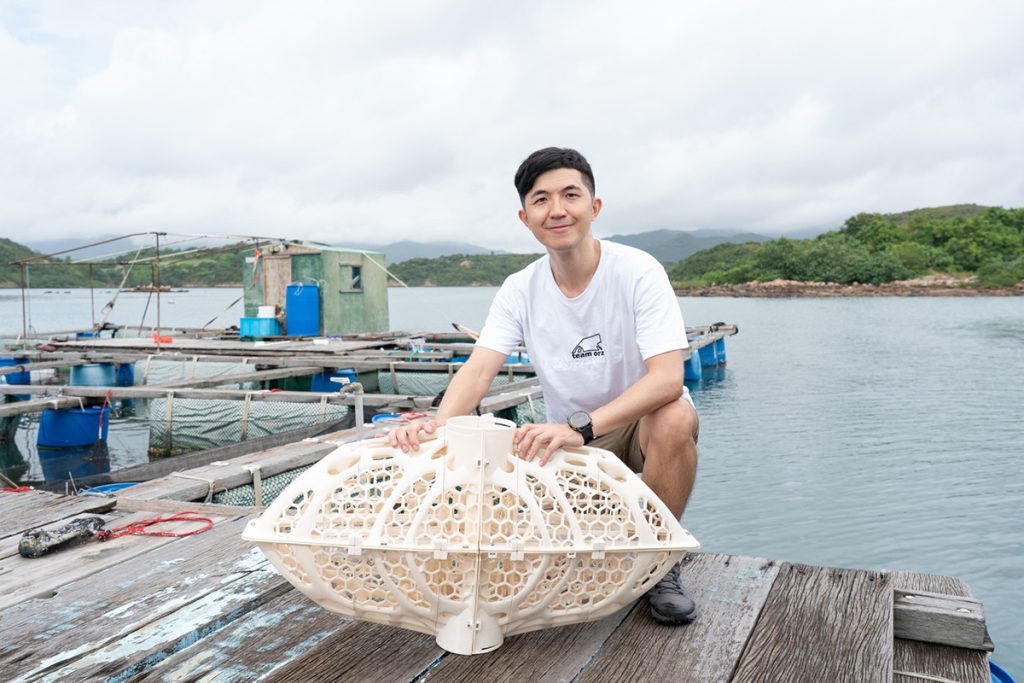
Can the 3D-printed Reef of Hope turn the tide on oyster reef restoration?
Award-winning Reef of Hope uses 3D-printed biodegradable design to advance oyster reef restoration and revive marine ecosystems.
Responsibility
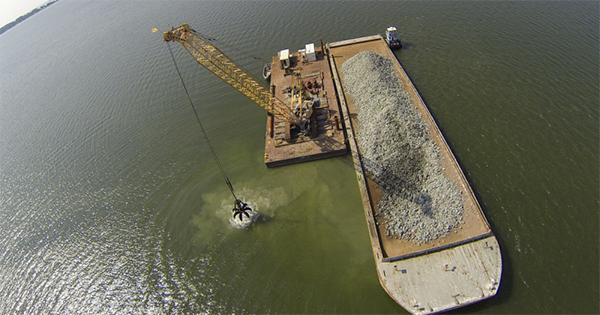
World’s largest oyster reef restoration project shows ‘significant progress’
A large-scale oyster reef restoration project led by NOAA aims to revitalize more than 2,300 acres in Maryland and Virginia waters.
Responsibility
Orkney Islands hatchery engages in restorative aquaculture initiative
As part of a restorative aquaculture initiative, Orkney Shellfish Hatchery, a multi-species aquaculture hatchery in the Orkney Islands, has released its first stock of native flat oyster spat into the ocean.
Responsibility
The Nature Conservancy and Pew team up to support oyster aquaculture, restoration
Funding will help rebuild oyster reefs, as well as promote innovation, resilience and diversity within the oyster aquaculture industry.