


Can Britain learn to love sardines? Shifting seafood market trends hint at change

New research on seafood market trends suggests U.K. consumers may be ready to move beyond cod and salmon – but challenges to change persist
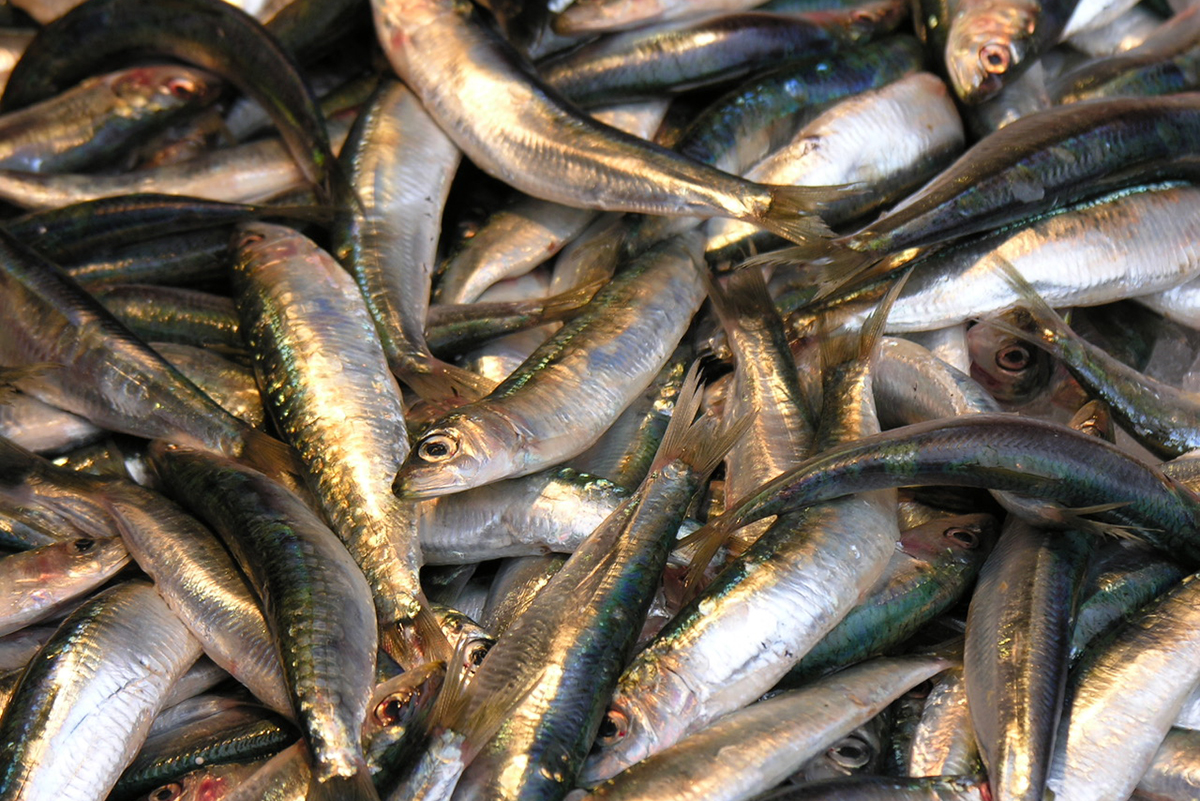
Despite abundant domestic fish stocks, U.K. consumers continue to rely heavily on a narrow range of mostly imported species. Indeed, around 80 percent of seafood consumed in Britain comes from just five staples – cod, haddock, salmon, tuna and prawns. But new research on seafood market trends suggests that these long-entrenched habits may be starting to shift amid growing sustainability concerns, changing consumer values and affordability pressures.
The study, led by the researchers from the University of East Anglia (UEA), found that 41 percent of U.K. consumers say they are willing to experiment with fish they have never tried before, including small pelagic species and lesser-known flatfish. Yet this stated openness has not translated into widespread changes at the checkout.
The researchers suggests U.K. is missing a major opportunity to improve public health and strengthen coastal economies by making better use of locally abundant, nutritious fish such as sprats, sardines, anchovies and herring. Crucially, the findings indicate consumers may be more open to change than retailers and supply chains assume.
To assess attitudes and purchasing behavior, the researchers combined focus groups, a nationally representative consumer survey, supermarket sales data and analysis of the UK Living Costs and Food Survey. The results highlight a persistent gap between willingness and action. While 84 percent of adults eat fish, most do so only around once a week at home, and less than once a month when dining out. Meanwhile, supermarket sales remain overwhelmingly concentrated on the so-called “big five.”
![Ad for [BSP]](https://www.globalseafood.org/wp-content/uploads/2025/07/BSP_B2B_2025_1050x125.jpg)
At the same time, unfamiliarity with local species remains widespread. The research found that 58 percent of Brits have never tried sprats, 28 percent have never tried anchovies, 23 percent have never eaten herring and 12 percent have never tried sardines – despite all being abundant in U.K. waters.
Lead researcher Dr. Silvia Ferrini, from UEA’s School of Environmental Sciences, told the Advocate that the research identified some deep-rooted structural barriers rather than a lack of consumer interest.
“The overarching point is there’s no quick fix when it comes to changing fish consumption behavior,” Ferrini said. “While willingness to try new species exists, it’s constrained by availability.”
“From catch to kitchen, the supply chain is complex, and changes take time. Producers and retailers are set up to handle the ‘big five’ species efficiently, and from a profit perspective it’s easier to maintain the status quo unless there is a major external shock – something like a war or a crisis affecting supply. But that’s not something I would ever wish for. I would much rather see slow, steady change.”
Availability is one barrier. Another is confidence, she added. “Even if a new species is available, people may not feel confident cooking it, or they worry they won’t like it. There’s also a perception of risk. So, we need incremental but consistent interventions.”
Generational warning sign
Of all the report’s findings, what’s perhaps most concerning is the emergence of a generational divide, with younger adults eating significantly less seafood than their elders. The report suggests this largely stems from the younger demographic’s apparent lack of confidence in selecting and preparing fish. Unless something changes, the researchers warn, this uncertainty could accelerate a long-term decline in seafood consumption.
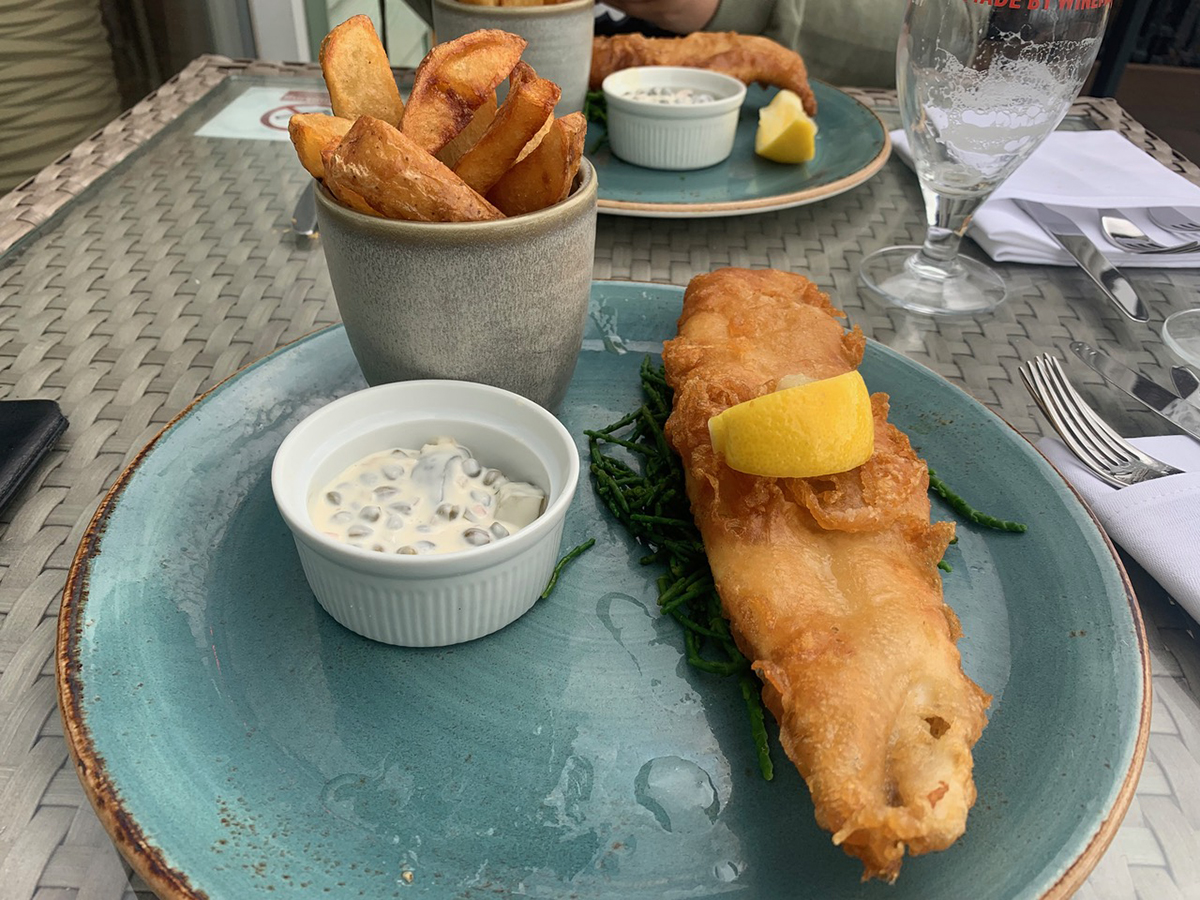
“One relatively straightforward intervention could be institutional catering – school or university canteens, for example,” Ferrini said. “Imagine replacing cod in fish and chips with small pelagics like sprats. Prepared well, they can be delicious. Many people fear bones, but statistically, how dangerous are fish bones really? Yet the fear persists.”
However, she acknowledged the gamble faced by caterers if unfamiliar dishes are rejected and wasted. This risk aversion echoes throughout the supply chain, from processors to retailers.
Policy could help unlock progress, Ferrini said, whether through incentives that encourage diversification or by drawing greater attention to the environmental and social impacts of imports, including carbon footprints, stock pressures and labor concerns in some exporting countries.
“The U.K. has lost seafood diversity over many decades,” she said. “At the same time, immigrant communities – particularly from Asia – bring strong seafood traditions and demand. The appetite exists. What’s missing is courage across the supply chain, and potentially risk-sharing mechanisms supported by government.”
Free school meal programs could also offer an early-intervention opportunity.
“If menus change alongside expanded access, children could be exposed earlier to oily and local fish. Taste is learned,” Ferrini said. “I grew up in Tuscany, where oily fish were part of my diet early on. In Britain, cod dominates, and it will take time to develop a taste for oily fish. Therefore, starting earlier would be beneficial nutritionally and culturally.”
Education, she added, is critical to reconnecting consumers with seafood as part of nature, culture and the economy.
“Many children rarely visit the coast or see fish being landed,” she said. “Schools don’t sufficiently connect food to nature, culture, nutrition and the economy. If more fish were consumed locally, British vessels could benefit, profits could stay closer to home and dependence on export markets would ease.”
Flexibility over fixation
Beyond encouraging specific species, the report argues for a more flexible approach to seafood consumption – aligning diets with ecological realities and seasonal abundance.
“Let’s say we successfully encourage people to eat smaller pelagics – but then the ecosystem changes and another species become more abundant, such as the tuna we’re now seeing in our waters – we need to adapt and incorporate that too,” Ferrini said. “What we don’t want is consumers becoming fixated on specific species again. Instead, we want flexibility: Eat what nature provides, when it provides it. If it’s mackerel season, eat mackerel. If it’s sprats, eat sprats. If tuna becomes abundant, then have tuna. Otherwise, we recreate the same imbalance we see with the ‘big five.’ Understanding seasonality can also save money and improve health.”
The report recommends a mix of strategies to support this shift, including price incentives, targeted supermarket promotions, increased shelf space for local species, clearer origin labeling and simple recipe guidance to reduce perceived cooking risk.
Ferrini believes that, if policy and retail practice evolve, the typical U.K. seafood basket could look very different within a decade.
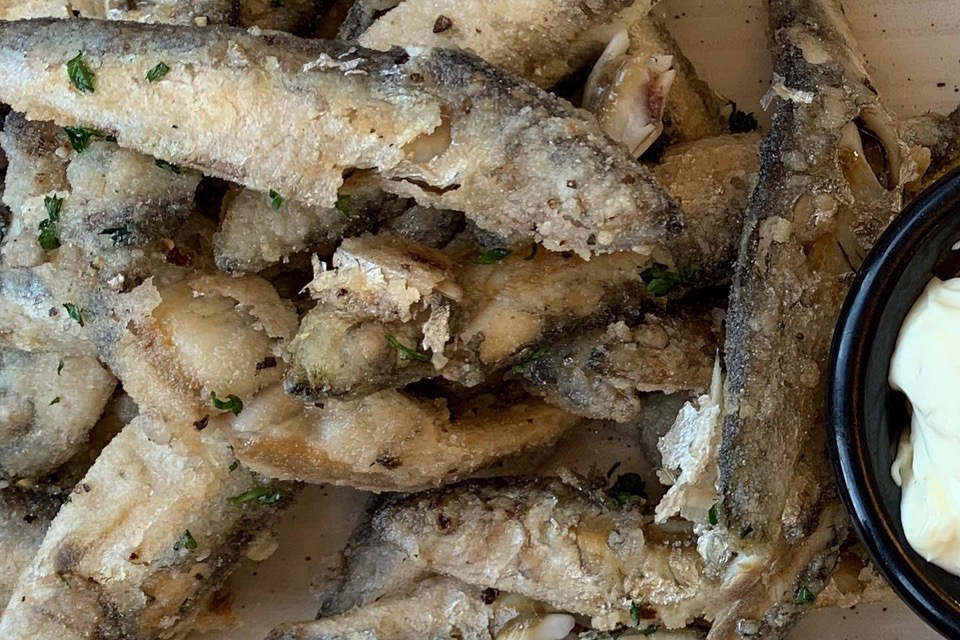
“I would like to see small pelagics – anchovies, herring, sprat, whitebait, etc. – really make their mark, perhaps to a level of around 70 percent,” she said. “The ‘big five’ wouldn’t disappear but maybe feature less frequently. We also need to eat more fish overall. Consumption in the U.K. is worryingly low, especially given the unique nutrients fish provide, e.g. omega-3s. That matters most for young people and the elderly.”
An appetite for sustainability
Signs of shifting consumer values are already emerging. The Marine Stewardship Council’s (MSC) new “MSC UK and Ireland Market Report” shows retail sales of certified sustainable seafood rose sharply over the past year.
According to the analysis, U.K. consumers spent GBP 1.7 billion (US $2.27 billion) on 189,000 metric tons (MT) of MSC-labelled fish and seafood in 2024–25, a 14 percent year-on-year increase. Some 63 percent of all wild-caught fish sold in U.K. supermarkets now carries the MSC eco-label.
Preserved products drove much of the growth, with spending on MSC-labelled canned, tinned and jarred seafood rising 64 percent to GBP 339 million (U.S. $456 million). Tuna led the surge, with sales of MSC-certified canned and jarred tuna increasing more than tenfold since 2020–21.
MSC also reports that 22 percent of Brits say they will not buy fish unless it is sustainable. UK & Ireland Senior Commercial Manager Seth McCurry said retailers are “working incredibly closely with the fishing industry to ensure there’s a greater range of MSC-certified species on their shelves, including locally caught fish and seafood.”
What we don’t want is consumers becoming fixated on specific species again. Instead, we want flexibility: Eat what nature provides, when it provides it. If it’s mackerel season, eat mackerel. If it’s sprats, eat sprats. If tuna becomes abundant, then have tuna. Otherwise, we recreate the same imbalance we see with the ‘big five.’ Understanding seasonality can also save money and improve health.
Telling better stories
Simon Dwyer, CEO of UK Seafood Federation, a new unified industry body representing the interests of processors and traders with the mission of making seafood a bigger part of the British diet, said the findings underline a long-standing paradox in the U.K. seafood market: While the country imports around GBP 4.3 billion (U.S. $5.7 billion) worth of seafood annually, much of its domestic supply – around GBP 1.2 billion (U.S. $1.6 billion) in farmed products and GBP 800 million (U.S. $1.068 million) from capture fisheries – is exported to higher-value overseas markets.
Nevertheless, the Federation and its membership wholeheartedly support growing the local consumption of British species.
“Without question, sustainability – whether through MSC or other credible frameworks – is fundamental to this,” Dwyer said. “British species do appear in supermarkets, but volume-driven retail makes that challenging. At the same time, British fish is increasingly finding its way onto menus in foodservice and hospitality, which is positive.”
For Dwyer, better storytelling is essential to closing the gap between supply and consumption.
“Too often, you walk into a pub or restaurant, and the menu just says, ‘fish and chips.’ It doesn’t tell you what species it is – cod, haddock, or something else,” said Dwyer. “That’s a missed opportunity. There’s no story, no connection and no certainty for the consumer. Also, if it’s sardines, tell people they’re British sardines. If it’s tuna – and we are seeing more tuna closer to home – tell that story too.”
Added to this, health and environmental messaging must also be clearer and more consistent, Dwyer said.
“We need to push the health messaging: omega-3s, nutrition, brain health, etc. We also need to talk about seafood as a good protein for the planet. These messages resonate, but they need to be consistent and contextualized,” Dwyer said. “The key thing is increasing overall consumption. If people eat more fish, everybody benefits.”
Now that you've reached the end of the article ...
… please consider supporting GSA’s mission to advance responsible seafood practices through education, advocacy and third-party assurances. The Advocate aims to document the evolution of responsible seafood practices and share the expansive knowledge of our vast network of contributors.
By becoming a Global Seafood Alliance member, you’re ensuring that all of the pre-competitive work we do through member benefits, resources and events can continue. Individual membership costs just $50 a year.
Not a GSA member? Join us.
Author
-

Jason Holland is a London-based writer for the international seafood, aquaculture and fisheries sectors. Jason has accrued more than 25 years’ experience as a B2B journalist, editor and communications consultant – a career that has taken him all over the world. He believes he found his true professional calling in 2004 when he started documenting the many facets of the international seafood industry, and particularly those enterprises and individuals bringing change to it.
Related Posts

Responsibility
Eat the whole fish: A discussion of culture, economics and food waste solutions
The Big Fish Series explored the logistical and cultural challenges in front of greater whole-fish consumption and how much seafood is being wasted.
Intelligence
Behold the nutritious oyster
Oysters provide important, natural filtration of water and are an important component of many healthy coastal ecosystems because their active filtering can help improve and maintain water quality. For many coastal communities, oysters are an important food resource and excellent sources of protein and amino acids, zinc, selenium, iron and B-vitamins.

Responsibility
A helping hand to lend: UK aquaculture seeks to broaden its horizons
Aquaculture is an essential contributor to the world food security challenge, and every stakeholder has a role to play in the sector’s evolution, delegates were told at the recent Aquaculture’s Global Outlook: Embracing Internationality seminar in Edinburgh, Scotland.

Intelligence
Bangladesh seeks more buck for its ‘bagda’
As more than 80 percent of Bangladeshi shrimp exports already go to EU markets, a consultation meeting involving buyers from the bloc and Bangladesh industry stakeholders and authorities was held at the end of last month in Utrecht, the Netherlands.