


Unmasking unagi: What DNA testing reveals about American eel in Japan’s markets

Nearly 40 percent of Japan’s grilled eel is actually American eel, revealing questions about seafood transparency
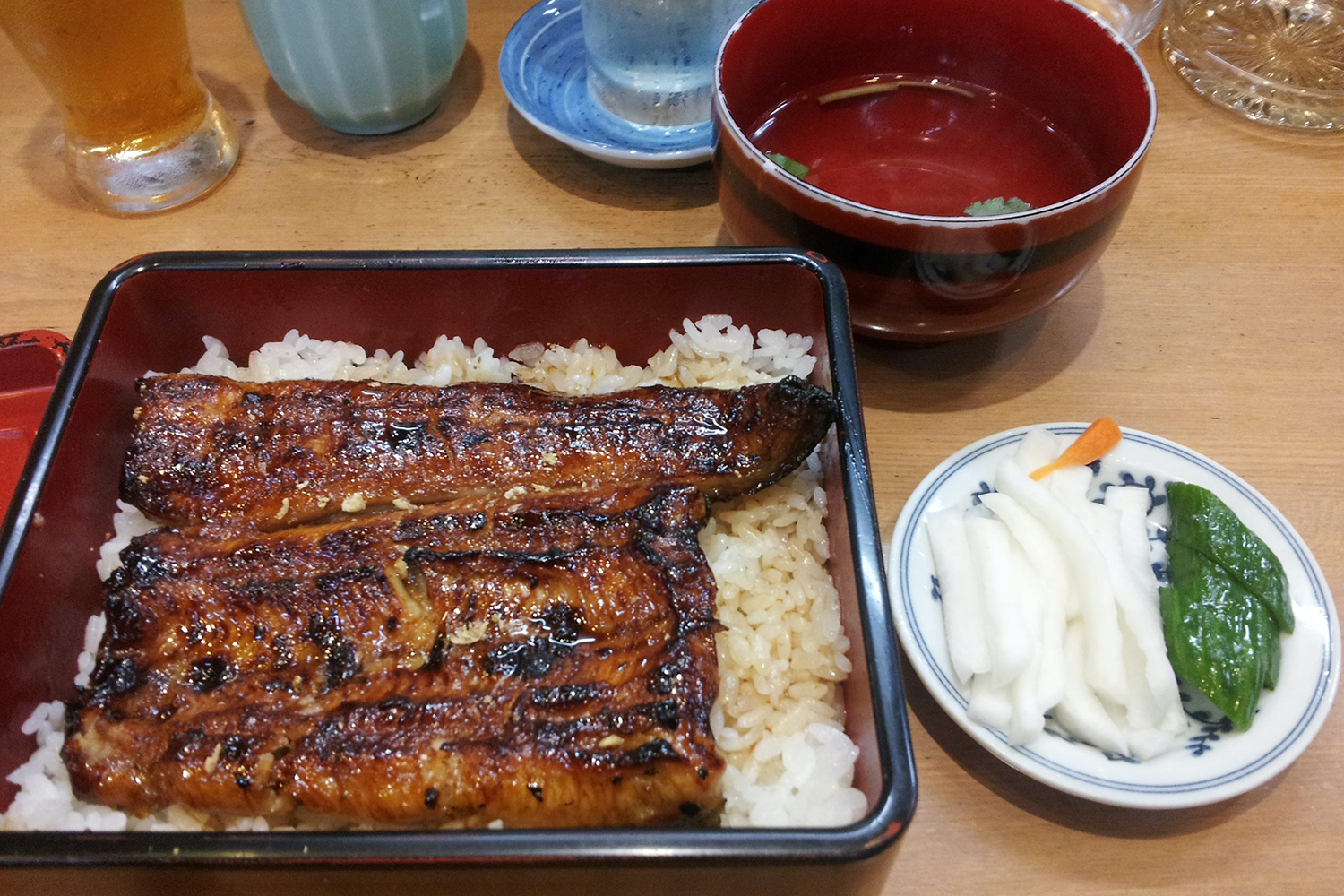
Unagi, or Japanese eel (Anguilla japonica), has a special place in Japanese cuisine and culture. Renowned for its rich flavor and delicate texture, the species is a delicacy and a symbol of vitality and endurance. Broiled eels are also thought to help restore energy by taking the edge off the summer heat and humidity.
However, eels in the wild are facing numerous pressures. Their complex life cycle makes the species highly susceptible to changes in oceanic and climatic conditions, pollution, disease and habitat loss. Overfishing of juvenile glass eels, which are transferred to ponds for aquaculture, and illegal fishing, has accelerated the decline.
As the world’s leading importer and consumer of eel, and with scientists working to achieve full-cycle eel aquaculture, Japan is in a strong position to encourage greater transparency in eel fisheries. Against this backdrop, researchers at Chuo University west of Tokyo carried out a study on the species of eel products in Japan and their connections to international trade and farming data. The aim is to challenge long-held assumptions about species composition in eel products and reshape understanding of the global eel trade – as well as its implications for aquaculture.
“Over the years, the global demand for eels has been shifting – for example, from European eel (Anguilla anguilla) to American eel (Anguilla rostrata) due to the decline of European eel populations and subsequent restrictions on their trade,” Hiromi Shiraishi, researcher at Chuo University, told the Advocate. “Japan has a general idea of which eel species are coming into the country, but DNA testing on species composition has not been done for a long time. We felt that it was important to record and confirm the different eel species that are being sold in Japan today. Japan is also the world’s biggest importer of eel products, so it makes sense for people to know more about which species they are consuming.”
![Ad for [BSP]](https://www.globalseafood.org/wp-content/uploads/2025/07/BSP_B2B_2025_1050x125.jpg)
Shiraishi and her team used genetic species identification techniques to survey 134 grilled eel samples. Tissues were taken from each sample and preserved in ethanol before DNA was extracted using DNA barcoding. While Japanese eel remained the most prevalent, accounting for nearly 62 percent of samples, American eel comprised 37 percent, while European eel was scarcely present.
The team obtained species-specific insights that also aligned with Japanese fisheries data. They found that imported products – entirely sourced from China – show a predominance of American eel, while all domestically produced eel products identified as Japanese eel.
Meanwhile, European eel accounted for an almost negligible fraction of retail products, a result which is corroborated by trade data from Japanese customs and the Convention on International Trade in Endangered Species (CITES). This suggests some effective enforcement in curbing illegal European eel trade channels into Japan.
“Based on other DNA studies and what we know from trade data, we expected to find a high number of American eel in our samples before we began,” said Shiraishi. “Japanese eel catches are declining significantly due to environmental and anthropogenic pressures, the demand for alternative eel species is rising, and our results reflect this. This trend also confirms the results of species identification of eel samples in Europe, North America and Singapore, and highlights that American eel is also dominant in regions outside Japan.”
With water treatment tech, has Japanese collaborative cracked the code on sockeye salmon farming?
The study’s findings also touch upon Japan’s eel aquaculture, whose commercial viability is hampered by the fact that farmed eels depend on wild-caught glass eels. Japan primarily imports American eel and Japanese eel juveniles for aquaculture, but this fuels intense fishing pressure and raises concerns about possible illegal, unreported and unregulated (IUU) fishing. While improved management of glass eel harvesting could alleviate pressure on eel populations, said Shiraishi, there are other areas to address when it comes to farming eels.
“Some of the glass eels used in aquaculture have been found to come from places like Hong Kong, where no glass eel fishery exists,” said Shiraishi. “This means that some may have been illegally exported to Japan, which the aquaculture sector may need to investigate further. However, the captive breeding of eels is still complex. Cost and technical challenges remain in scaling up, while more research and development is required.”
The study’s results are not only scientifically important but also have the potential to contribute to key discussions in areas such as responsible farming and food sourcing, while genetic identification techniques offer a replicable model for other endangered species, added Shiraishi.
“Our work could help to inform discussions on strengthening laws to prevent the import of seafood sourced from IUU fishing,” she said. “It can also help to encourage greater transparency monitoring, and act as an example for studies on the trade data of other marine species or DNA analysis techniques for species composition. It’s a starting point to discussions on more responsible and sustainable uses of eel and other species. In future, we want to share what we have learned with governments and stakeholders in other countries to support better decisions taken by those parties.”
Now that you've reached the end of the article ...
… please consider supporting GSA’s mission to advance responsible seafood practices through education, advocacy and third-party assurances. The Advocate aims to document the evolution of responsible seafood practices and share the expansive knowledge of our vast network of contributors.
By becoming a Global Seafood Alliance member, you’re ensuring that all of the pre-competitive work we do through member benefits, resources and events can continue. Individual membership costs just $50 a year.
Not a GSA member? Join us.
Author
-

Correspondent Bonnie Waycott became interested in marine life after learning to snorkel on the Sea of Japan coast near her mother’s hometown. She specializes in aquaculture and fisheries with a particular focus on Japan, and has a keen interest in Tohoku’s aquaculture recovery following the 2011 Great East Japan Earthquake and Tsunami.
Related Posts
Responsibility
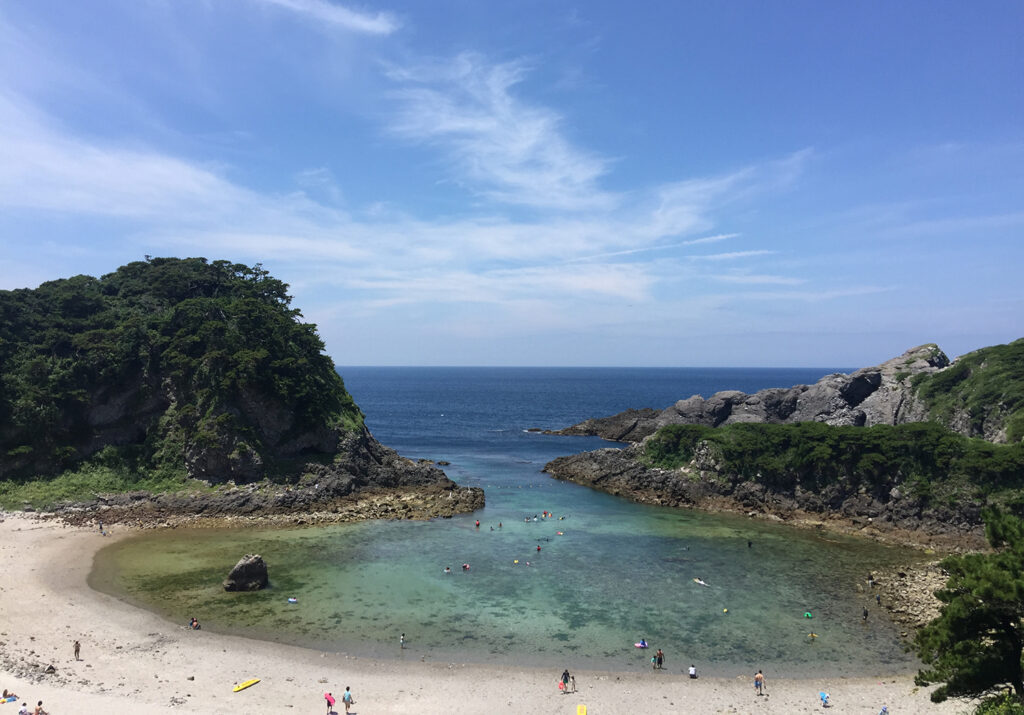
Is a Japanese volcano offering us a sneak preview of ocean acidification?
Shikinejima is a scenic getaway for tourists but the seas surrounding its volcano offer a glimpse of how the ocean could behave in the future.
Responsibility
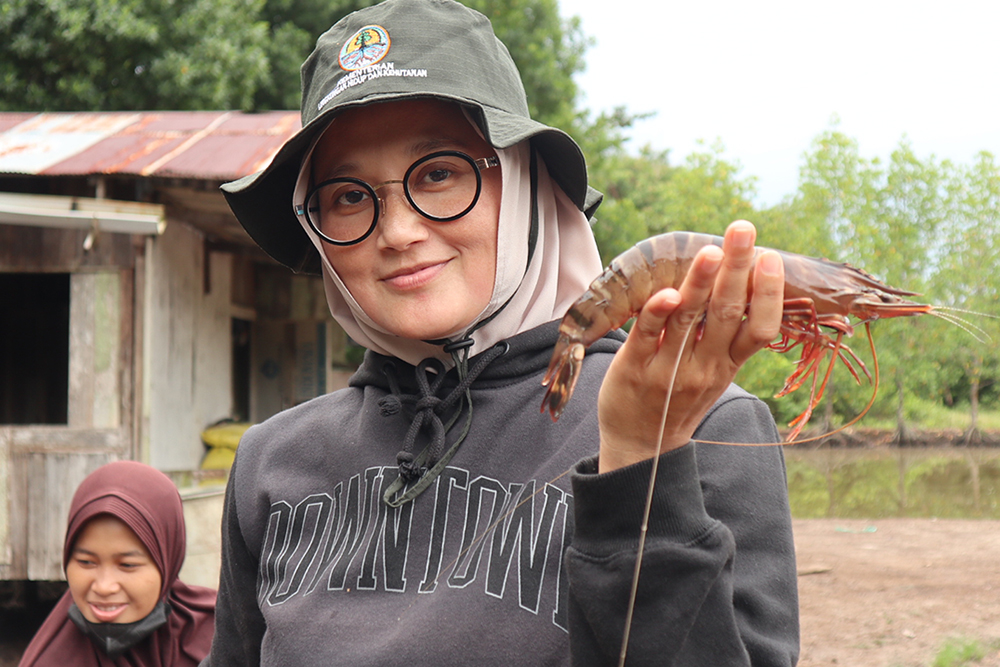
‘We found a way to address these challenges’: How shrimp producers are redesigning farms to support mangrove restoration and coastal resilience
Responsible shrimp farming paired with mangrove restoration can boost yields, protect coasts and support sustainable livelihoods.

Fisheries
‘Here to stay and evolving fast’: How GreenFish’s AI-powered fish-forecasting tech is modernizing commercial fisheries
GreenFish uses AI and datasets to predict fishing hotspots, helping commercial fisheries save fuel, time and maximize catch value.
Aquafeeds
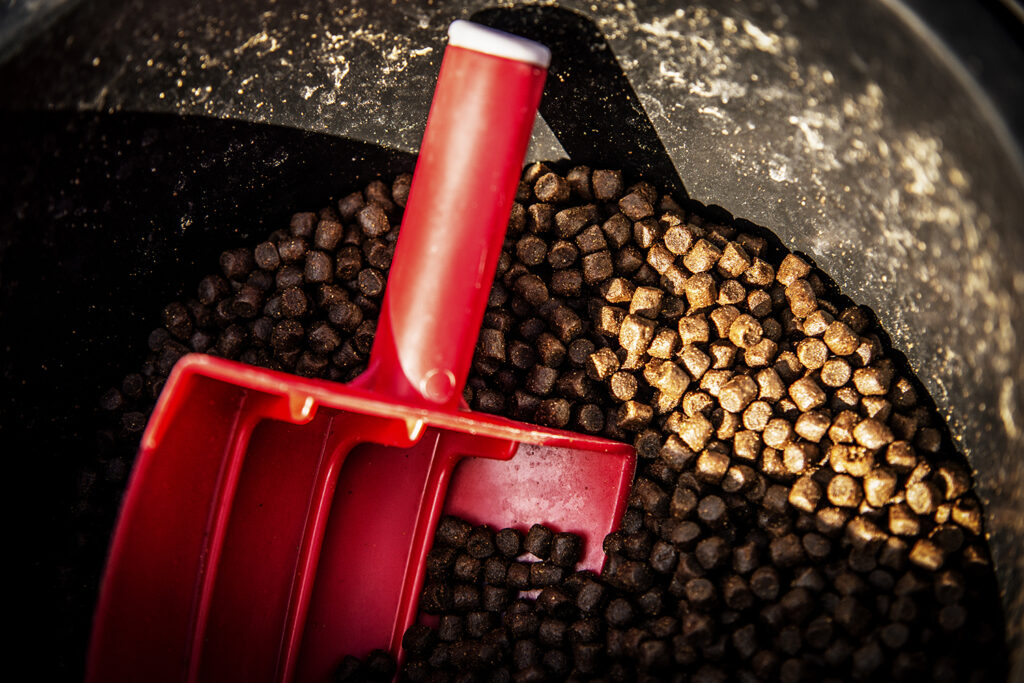
Fishmeal and fish oil alternatives are here but a greater scale is needed for true impact
While salmon farmers are reducing fishmeal and fish oil usage, alternative ingredients are promising but supplies need scaling up, feed experts say.