
Responsibility
Hydrogen peroxide: Disinfectant for recirculating aquaculture systems
Hydrogen peroxide is a candidate for water treatment in aquaculture systems for it has antimicrobial effects and easily degrades to harmless byproducts.
Health & Welfare
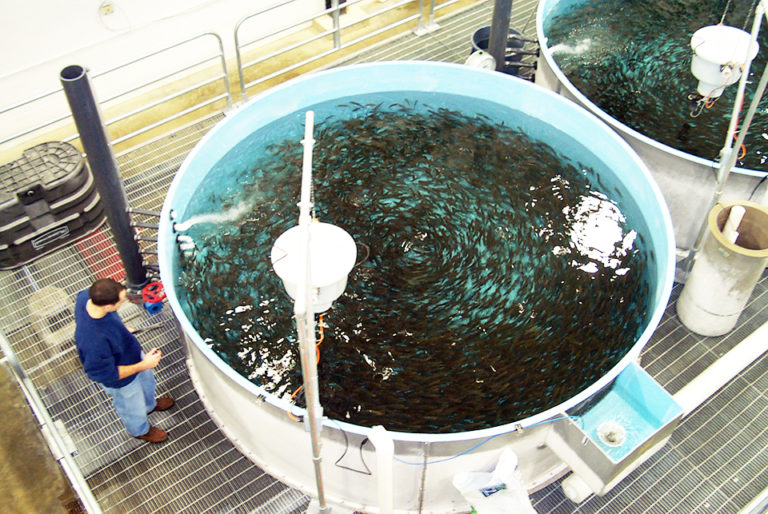
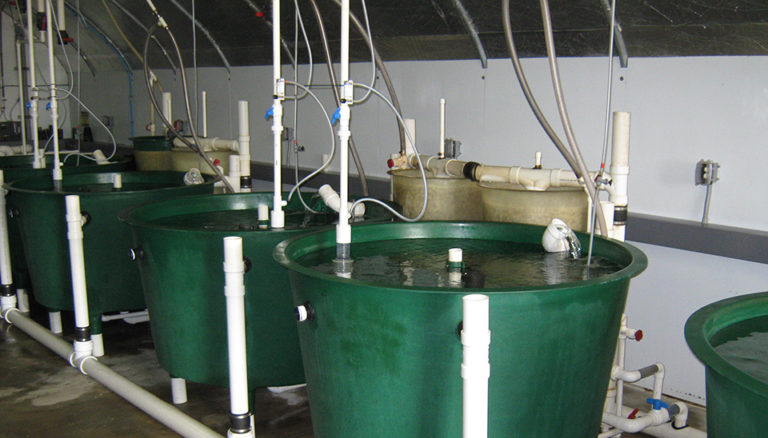
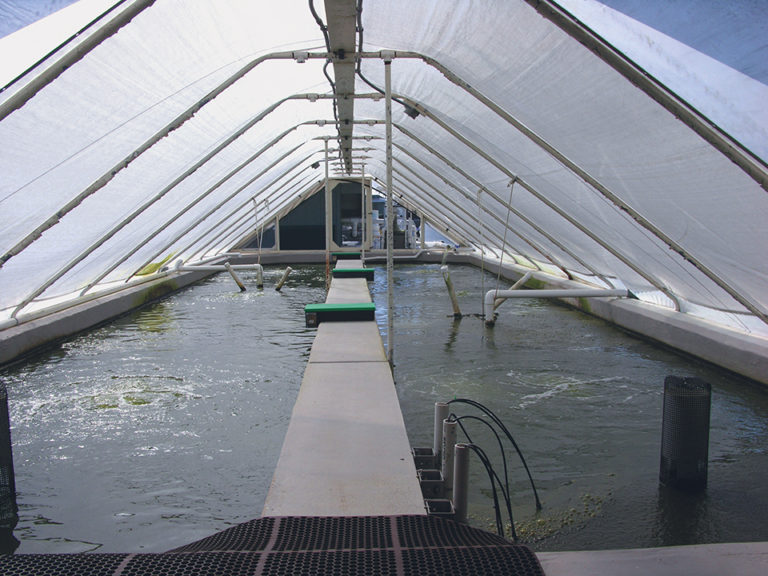
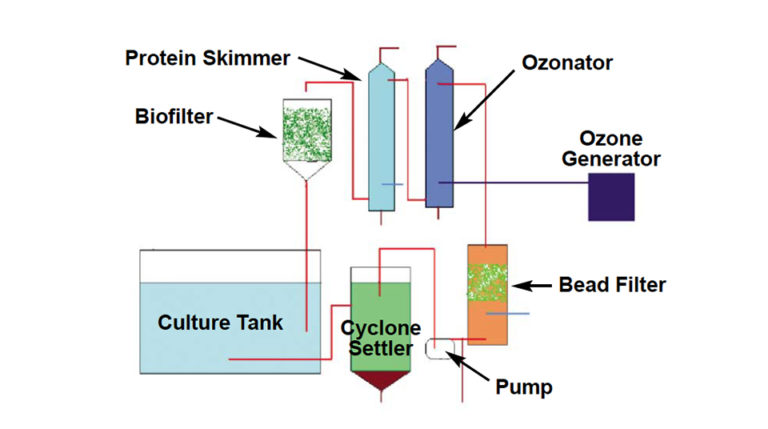
Circular tank-based recirculating aquaculture systems can be used to effectively culture rainbow trout and other salmonids in a bio-secure and environmentally friendly manner that imposes a much lower water and wastewater footprint than traditional flow-through culture technologies.
Responsibility
Hydrogen peroxide is a candidate for water treatment in aquaculture systems for it has antimicrobial effects and easily degrades to harmless byproducts.
Health & Welfare
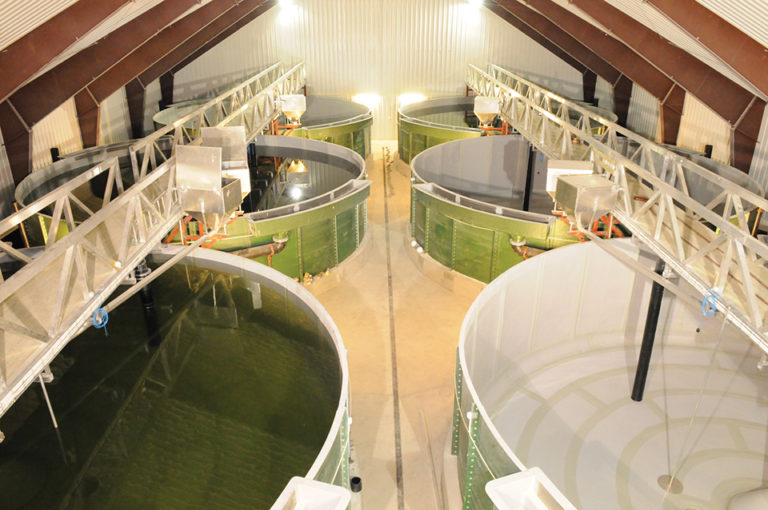
The Fjordsmolt RAS farm applies a relatively simple, low-cost design to produce millions of salmon smolts per year in fiberglass tanks.
Responsibility
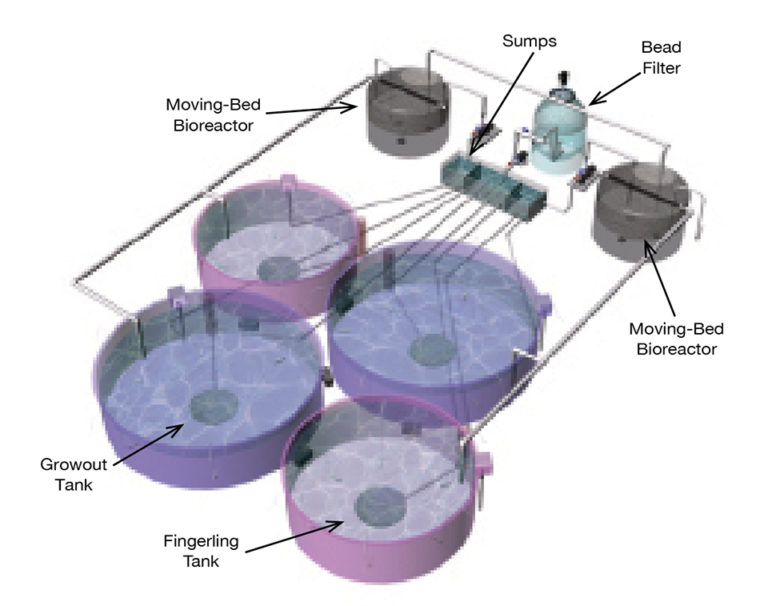
U.S. institutions are collaborating to evaluate low-energy recirculating aquaculture system designs to produce marine finfish in a low-salinity environment.
Health & Welfare
A boutique design project validated a land-based, recirculating production system capable of producing 50 metric tons of spotted sea trout per year.
Responsibility
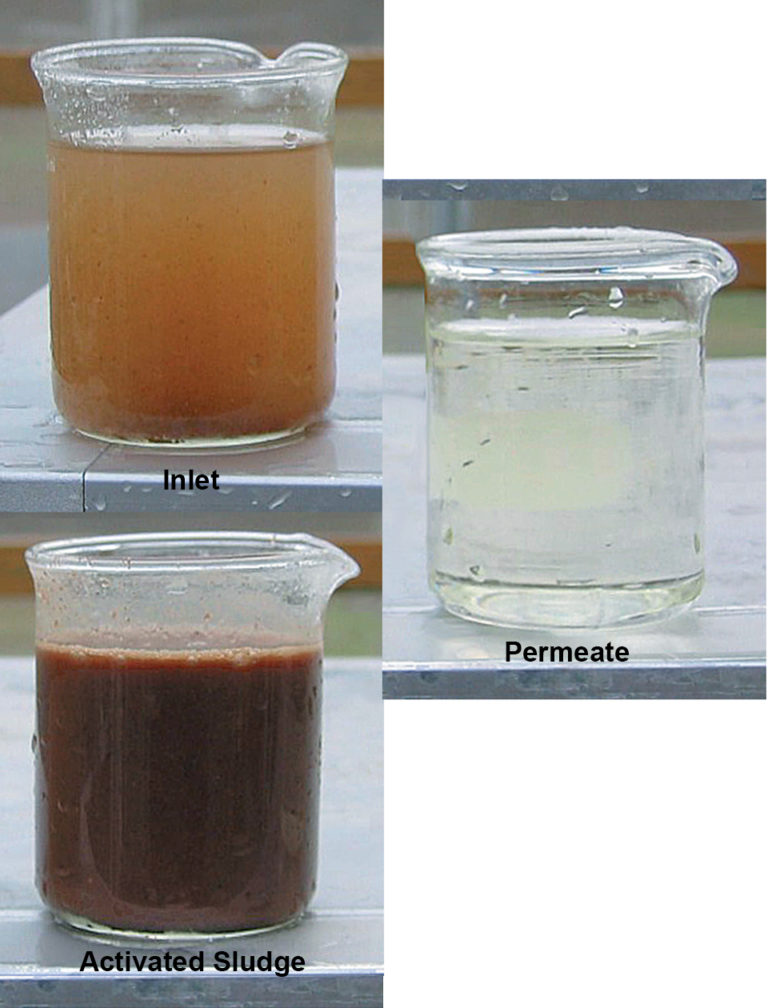
Membrane biological reactor technology is a scalable wastewater treatment system that reclaims water discharged from RAS solids-collection devices.
Health & Welfare
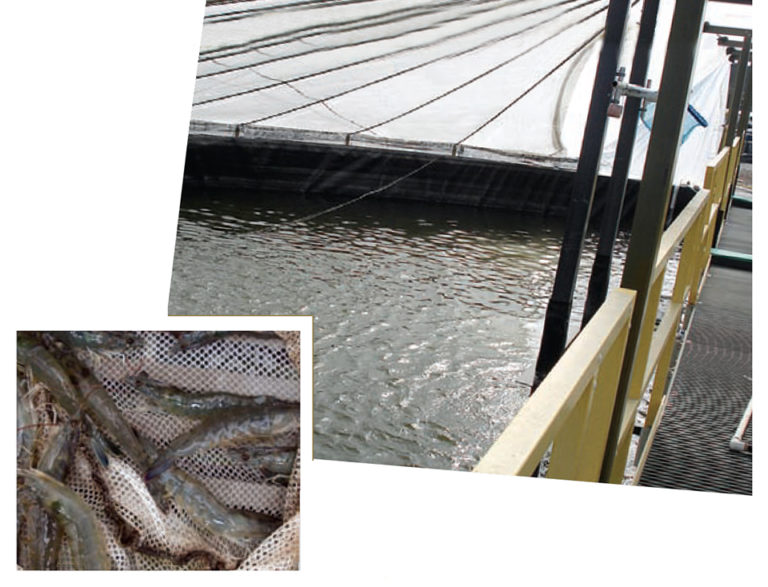
A super-intensive, commercial-scale RAS trial with Pacific white shrimp at Oceanic Institute achieved record production at a low cost and with low stocking densities.
Innovation & Investment
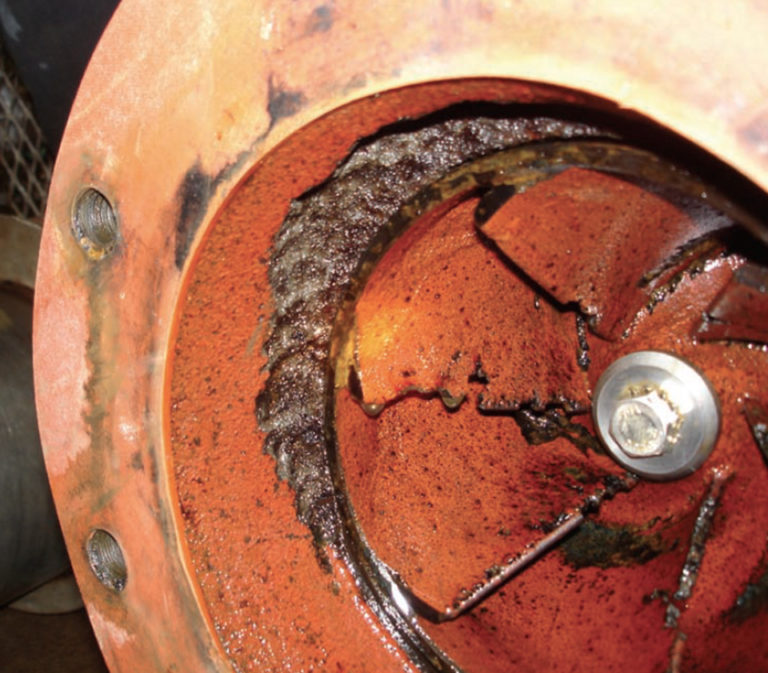
Cavitation occurs in a centrifugal pump when the effects of low internal water pressure lead to impeller damage. Proper design and installation of pumping systems can help.
Responsibility
Recirculating systems and health management schemes should be designed concurrently to maximize their effectiveness.
Health & Welfare
A super-intensive RAS grow-out trial produced 5.7 kg of shrimp per square meter in 14 weeks using minimal water volume and only 0.34 percent daily water exchange.
Responsibility
Microbes facilitate high-intensity recirculating aquaculture systems. Research indicates that the microbial community changes throughout grow-out.
Health & Welfare
RAS technology can be applied to shrimp culture. The author developed a small-scale prototype RAS for shrimp larval culture that successfully reared monodon nauplii to PL15.
Responsibility
In a study, a radial-flow settler provided approximately twice the TSS removal efficiency of a comparable swirl separator.
Health & Welfare
High-density RAS polyculture of channel catfish and tilapia in tanks or raceways has several advantages over traditional pond culture.
Responsibility
Phosphorus is one of the most scrutinized nutrients discharged by aquaculture systems, due to its potential eutrifying impact on receiving bodies of water.
Intelligence
Recirculating aquaculture systems (RAS) has moved beyond research and development to claiming a growing share of commercial finfish aquaculture production.