
Aquafeeds
Understanding the oxygen demand of aquafeeds
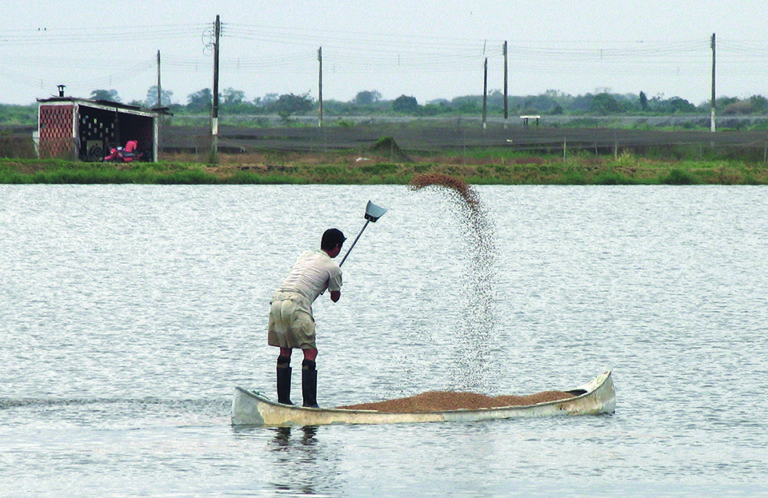
Manufactured aquafeeds, if improperly managed, can result in undesirable oxygen demand that can reduce dissolved oxygen levels and pollution through effluents, and stress cultured animals.



Aquafeeds
Three years of testing clearly demonstrated that increasing daily feedings through the use of automated feeding systems – a transformational technology – can significantly increase the production and value of L. vannamei produced in semi-intensive pond culture.
Aquafeeds
Manufactured aquafeeds, if improperly managed, can result in undesirable oxygen demand that can reduce dissolved oxygen levels and pollution through effluents, and stress cultured animals.
Aquafeeds
A study found that feed for salmon and trout had higher organic carbon concentrations than did catfish, shrimp and tilapia feeds. Nitrogen and phosphorus concentrations were similar among salmon, trout and shrimp feeds, and higher than those in catfish and tilapia feeds.
Health & Welfare
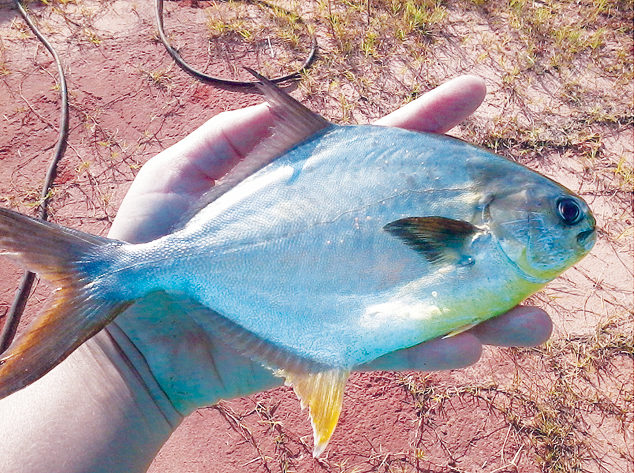
The authors have achieved good growth using a fishmeal-free diet for the carnivorous marine fish Florida pompano. In studies, they used pompano as a model marine species in a cost/benefit analysis of two extruded diets.
Health & Welfare
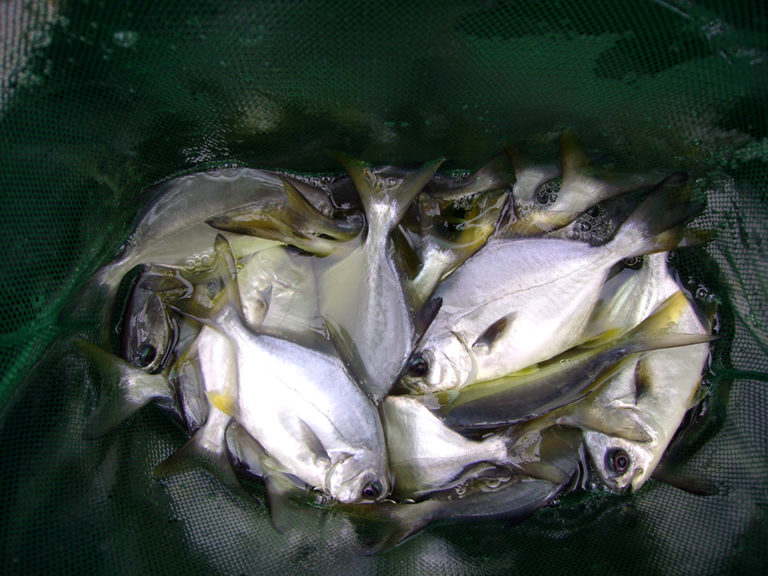
Taurine may not only improve growth and performance, but also is required to reduce nutritional diseases such as green liver disease and low hematocrit levels in some fish.
Health & Welfare
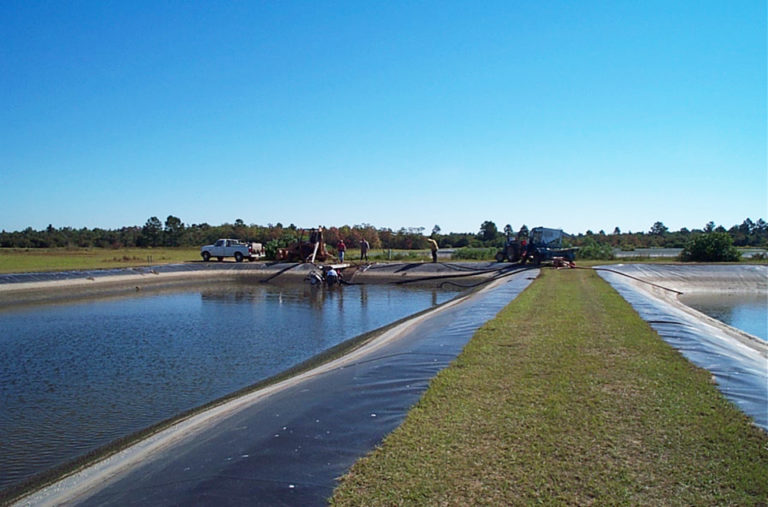
A study examined the replacement of poultry byproduct meal with plant proteins and low levels of squid meal in shrimp feeds. Production results for shrimp raised in ponds showed no significant difference in final weight, yield, FCR and survival among the four treatments with varied levels of poultry meal.
Aquafeeds
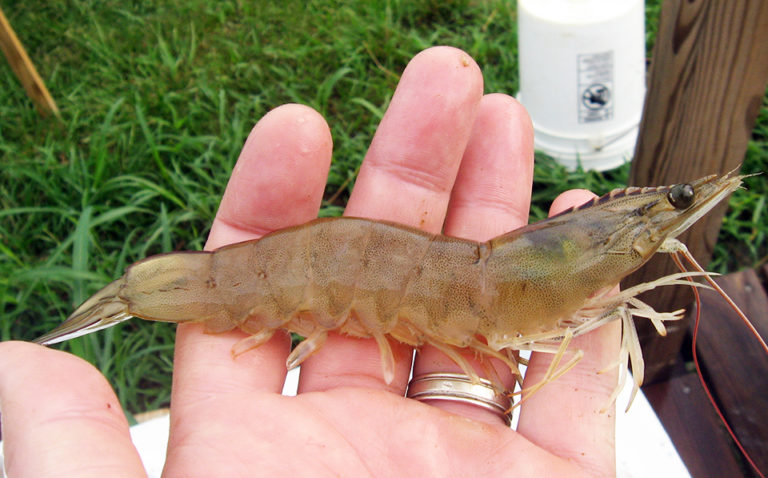
In a white shrimp farm trial in a low-salinity environment, alternatives to fishmeal did not negatively impact the growth, survival or FCR of the shrimp.
Aquafeeds
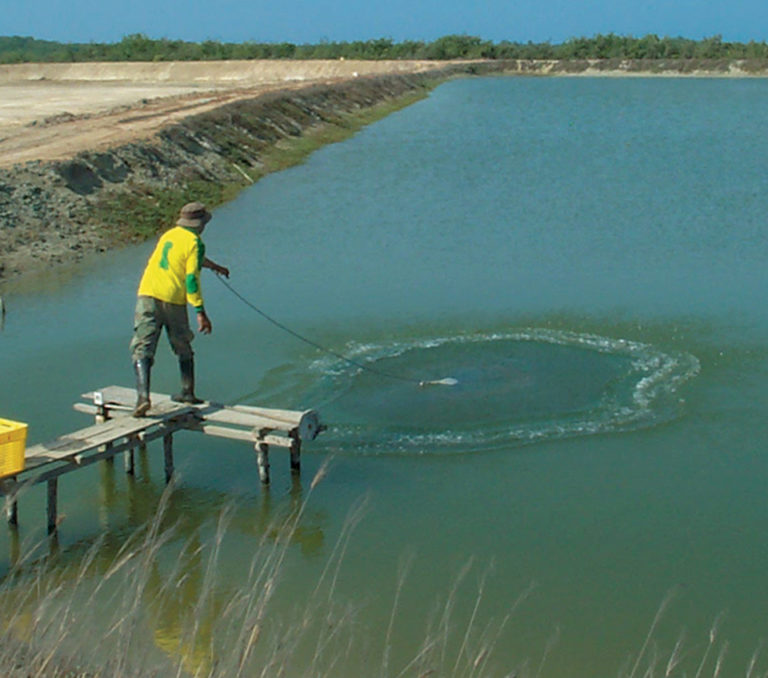
Shrimp farm trials demonstrated the feasibility of fishmeal replacement with soybean and corn gluten meal with little adverse effect on production performance.
Health & Welfare
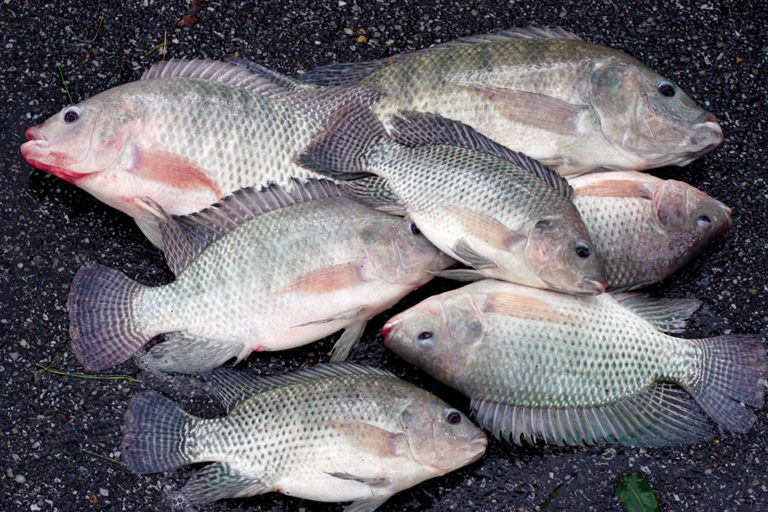
A study of Nile tilapia provided feed with varying dietary lipid sources found that fish fed a diet with beef tallow exhibited poorer survival and growth performance than fish fed diets with plant oils, fish oil, or combinations of oils and tallow.
Health & Welfare
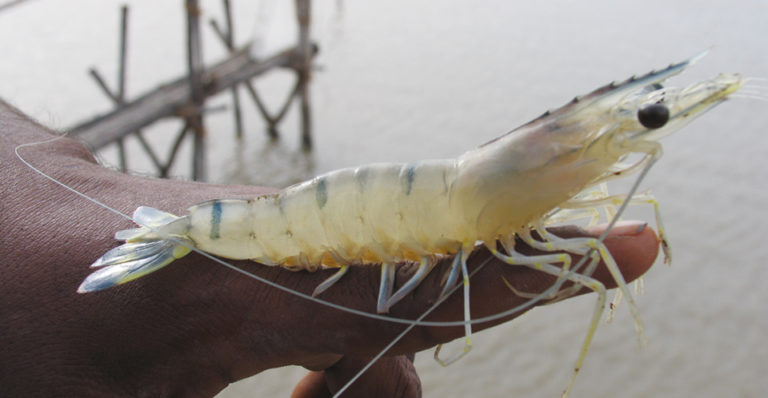
Trials indicated that in order to determine methionine and TSAA requirements for shrimp, methionine must be added to research feeds in either a chelated or covalently bound form.
Aquafeeds
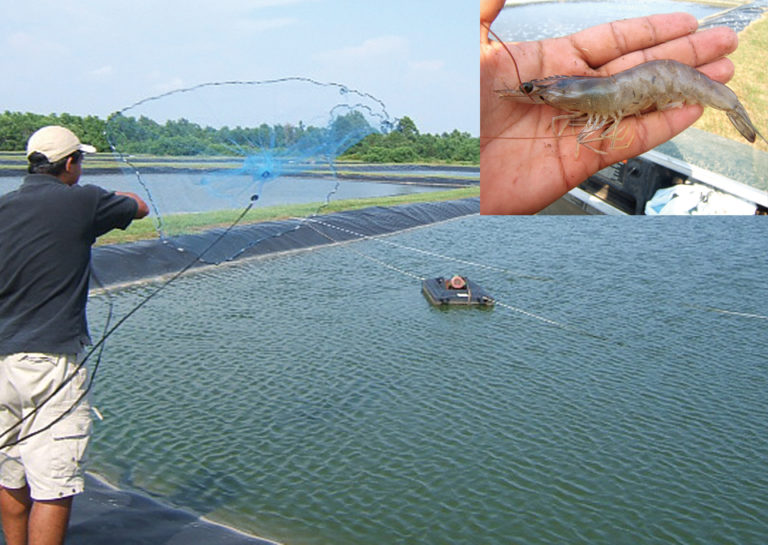
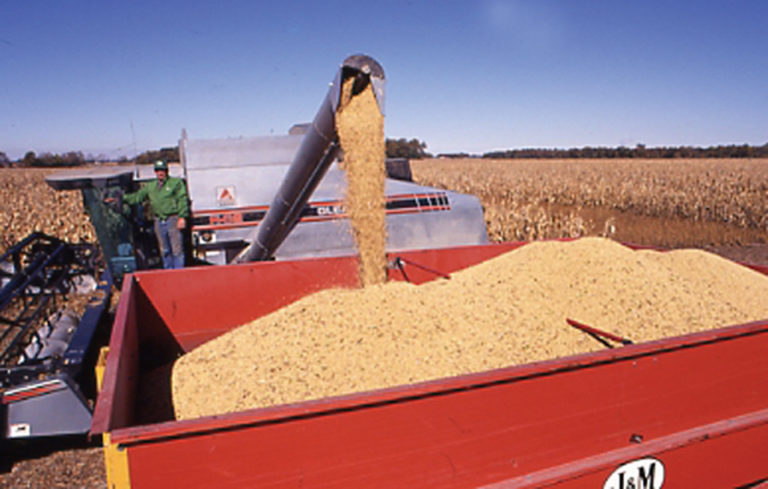
A commercial-scale shrimp feed trial demonstrated that soybean meal and corn gluten meal are effective protein alternatives to fishmeal in shrimp feeds.
Health & Welfare
Despite research challenges, ongoing work on phytase supplementation in shrimp is striving to enhance shrimp feed performance in similar ways.
Aquafeeds
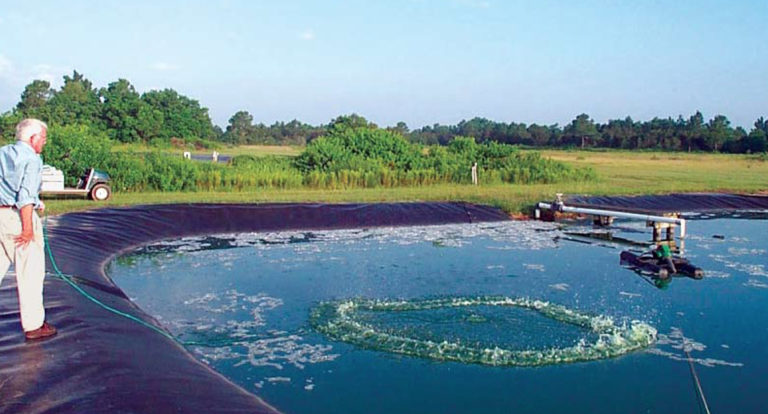
Underfeeding can slow growth rates and overfeeding adversely affects water quality so it is critical to adjust feeding rates to meet actual demands of shrimp.
Health & Welfare
Penaeid shrimp need the same nutrients required by all animals, including protein, lipids, energy sources, vitamins, minerals, oxygen and water.
Health & Welfare
Numerous environmental, social and economic advantages support the expansion of euryhaline shrimp and fish production away from coastal environments.
Health & Welfare
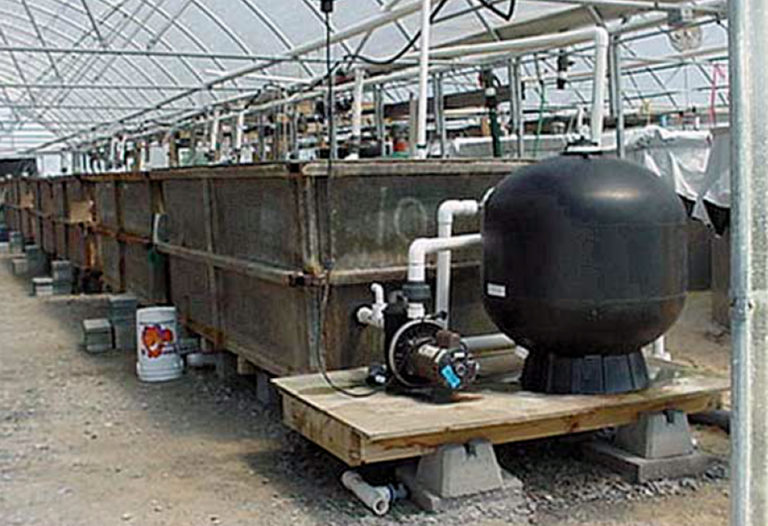
A nursery phase is a significant management strategy for many shrimp farmers in tropical regions and is becoming standard practice in subtropical regions.