
Innovation & Investment
Brazilian Fish turns to genome editing technology to boost tilapia growth and sustainability
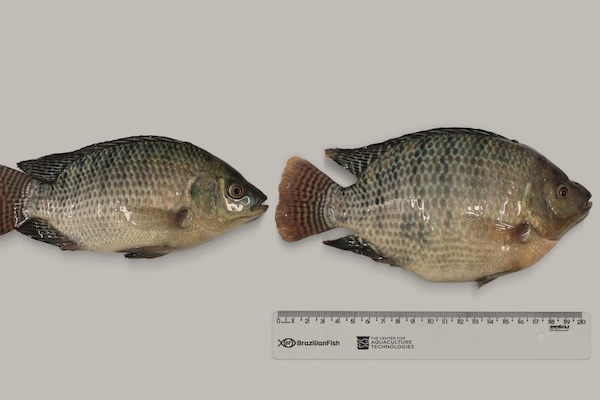
Brazilian Fish adopts genome editing to breed faster-growing, more efficient tilapia, boosting sustainability and competitiveness.
Health & Welfare
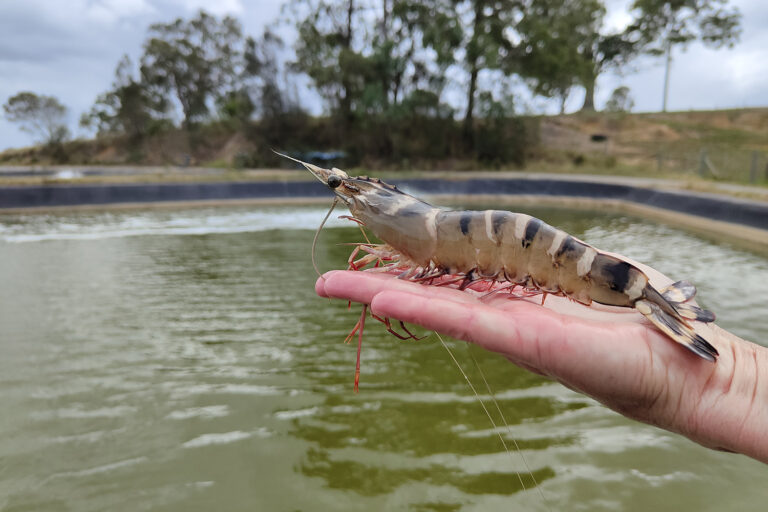
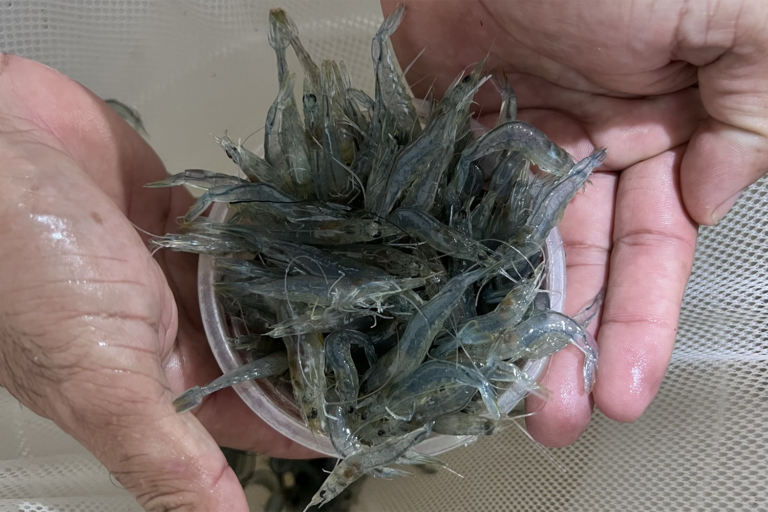
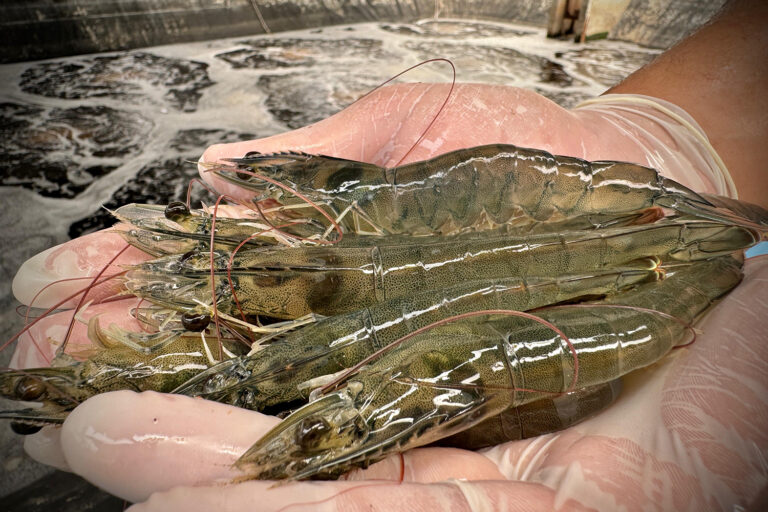
A blueprint for the Brazilian shrimp industry demonstrates the potential for local breeding programs to mitigate the spread of infectious diseases.
Innovation & Investment
Brazilian Fish adopts genome editing to breed faster-growing, more efficient tilapia, boosting sustainability and competitiveness.
Responsibility
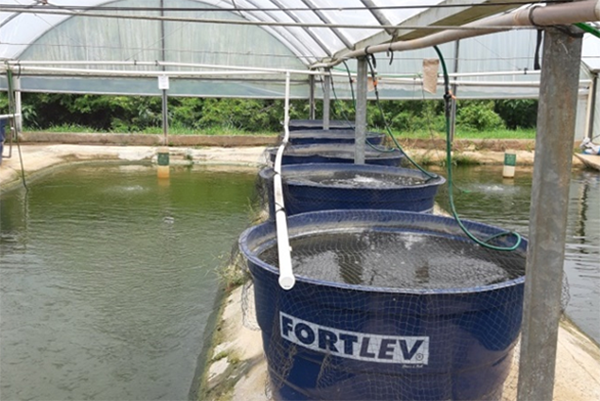
Low water use and effluent discharge supports the sustainable growth of high-density fish ponds for aquaculture in water-limited regions.
Fisheries
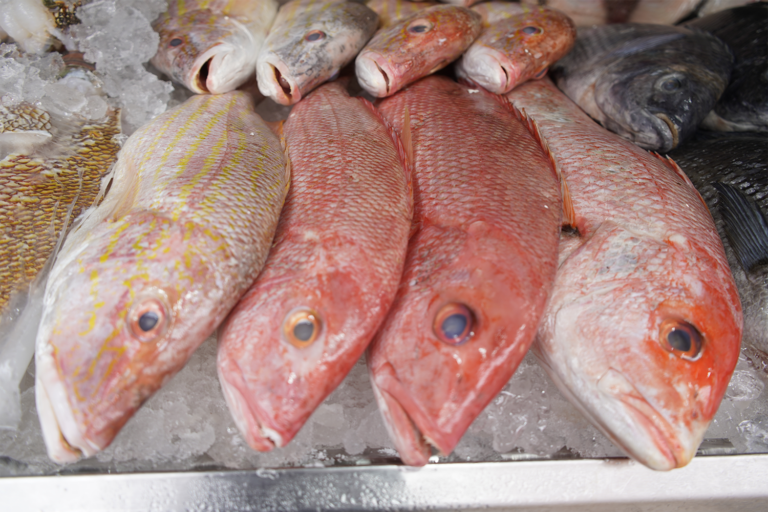
Identifying reproductive stages of female southern red snapper is an effective way to define the spawning season and support better management.
Responsibility
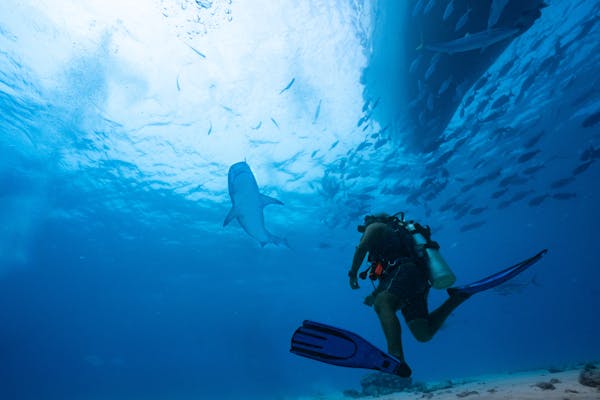
A science-based approach to shark conservation in Brazil’s Marine Protected Areas may curb "destructive proposals" including shark culling.
Aquafeeds
Black soldier fly larvae meal can effectively replace fishmeal in shrimp diets if nutrient balance and price sensitivity are properly considered.
Fisheries
If implemented correctly, endangered species would recover in the larger areas outside MPAs and fishers would benefit from the conservation value.
Aquafeeds
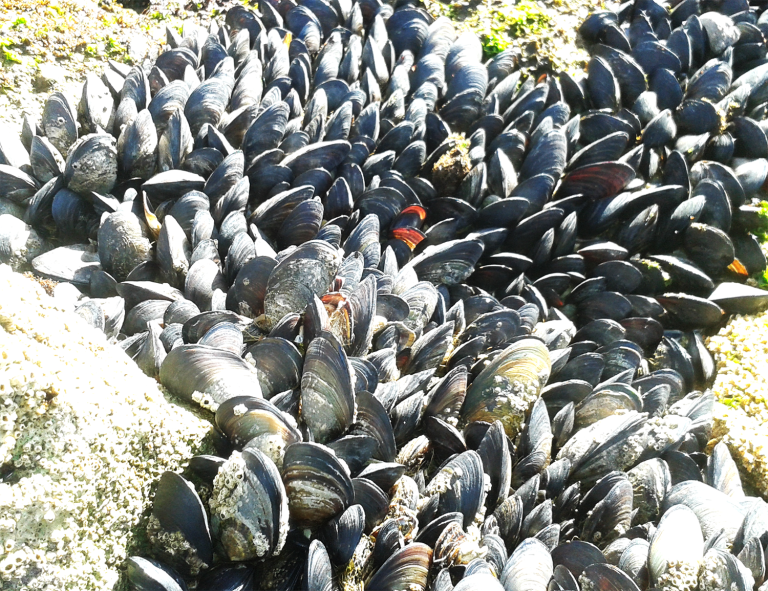
Brown mussel meal at inclusion levels of 1.73–2 percent is a potential additive in L. vannamei shrimp diets to promote growth and reduce FCR.
Aquafeeds
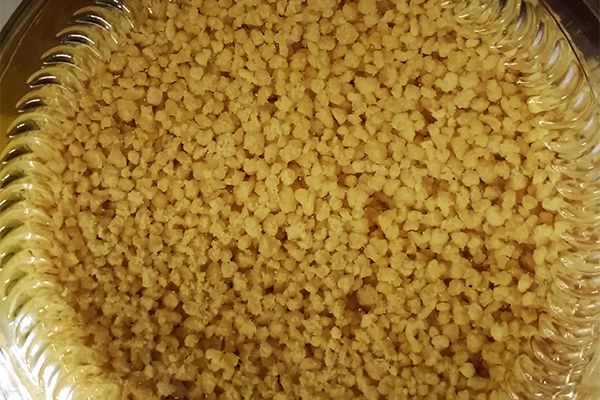
Soy lecithin phospholipids can be vital to improve the growth of Nile tilapia at suboptimal temperatures and offer an approach for new ingredients.
Innovation & Investment
A new biodegradable film is a derivative of limonene from citrus rind, blended with chitosan, a biopolymer from exoskeletons of crustaceans.
Intelligence
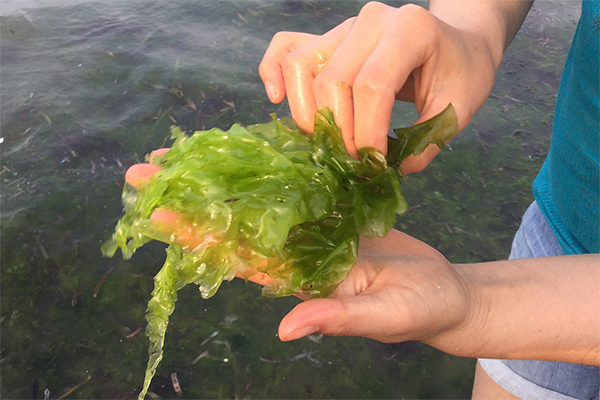
Integrated biofloc culture of Pacific white shrimp, Nile tilapia and U. lactuca is feasible with shallow floats up to 10 cm in depth.
Health & Welfare
Scientists in Brazil have identified a "superbug" connected to various diseases in both humans and intensive tilapia aquaculture – and it could be caused by illegal waste dumping in the water system.
Health & Welfare
Findings highlight the importance of proper screening of live shrimp to prevent the spread of potentially lethal shrimp diseases globally.
Innovation & Investment
GenoMar has opened a tilapia breeding and genetics center that could help transform Brazil into an exporter of high-quality tilapia genetics.
Innovation & Investment
The Ocean 14 Capital fund is investing over €10 million (U.S. $9.7 million) in Tilabras, a leading Brazilian tilapia producer.
Health & Welfare
Development and testing of tilapia welfare assessment protocol begins alignment to procedures used for other aquatic, terrestrial farm animals.