Responsibility
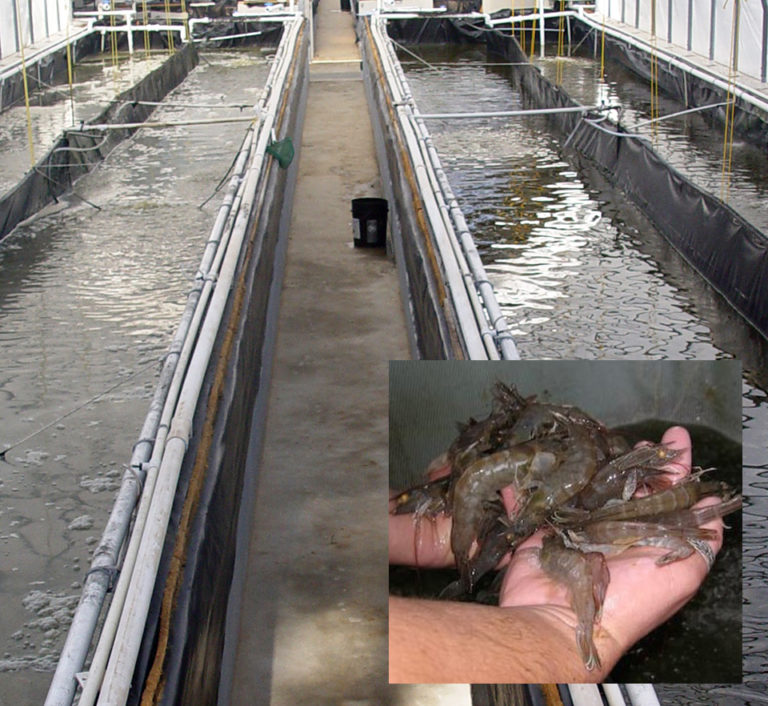
Advances in super-intensive, zero-exchange shrimp raceways
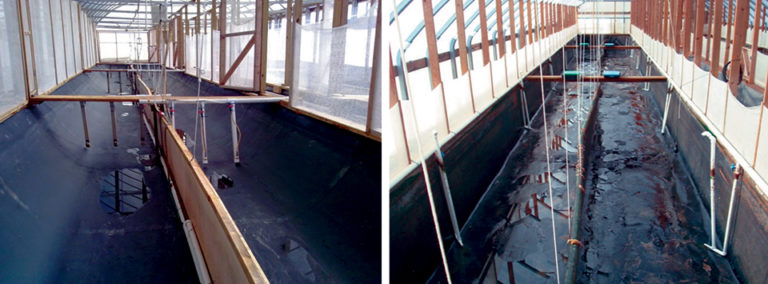
Research at the Texas AgriLife Research Mariculture Laboratory is investigating ways to improve the economic viability of super-intensive raceways for shrimp production.


Health & Welfare
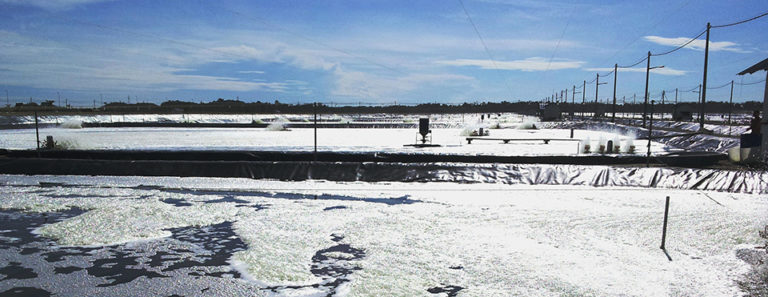
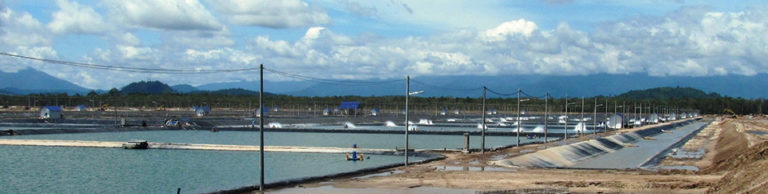
A large-scale integrated shrimp aquaculture park (iSHARP) project in Malaysia is approaching completion of its first phase. Biosecurity is a priority at iSHARP. The design of each unit allows individual modules or ponds to be “locked down” to prevent disease from spreading.
Responsibility
Research at the Texas AgriLife Research Mariculture Laboratory is investigating ways to improve the economic viability of super-intensive raceways for shrimp production.
Responsibility
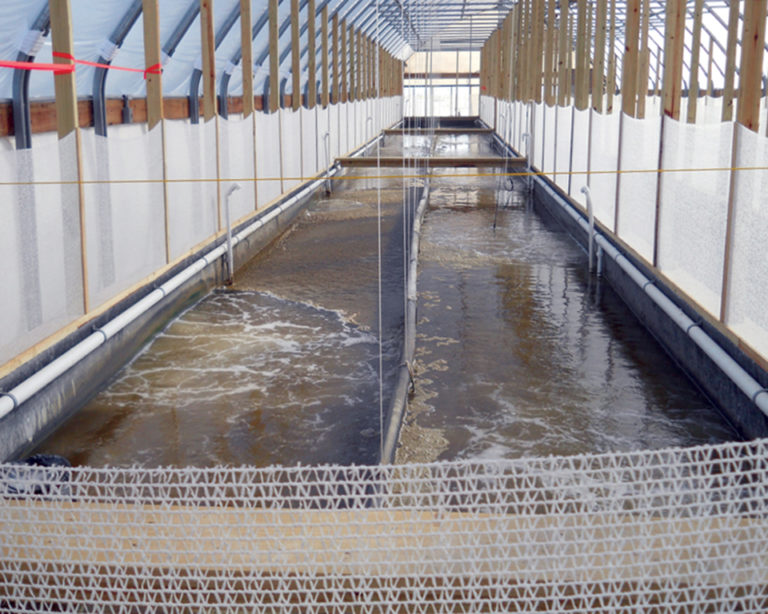
Shrimp production studies using biofloc technology at the AgriLife Research Mariculture Lab in Texas evaluated different approaches to maintain water quality.
Health & Welfare
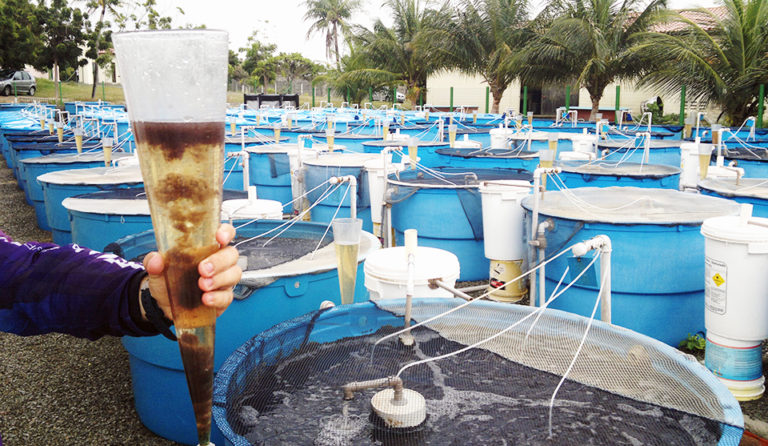
Shrimp survival, weight, yield and feed conversion were better in farm units that operated with settling chambers for solids removal than in units without.
Health & Welfare
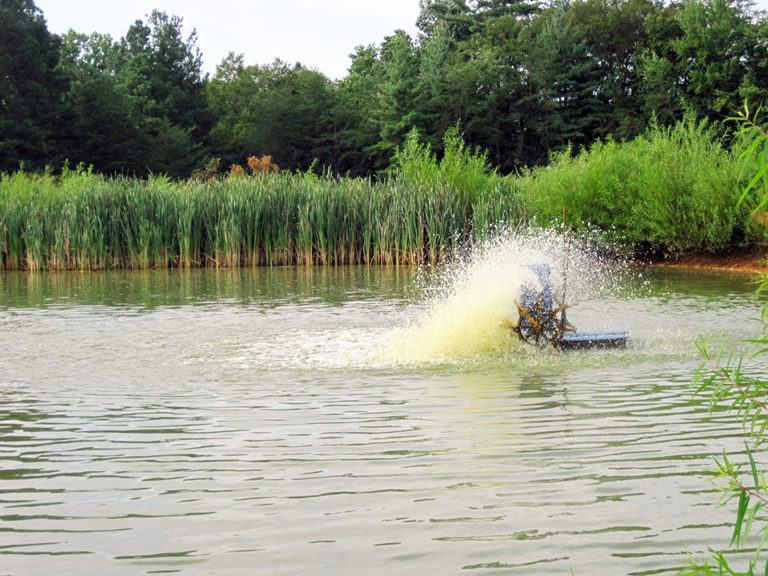
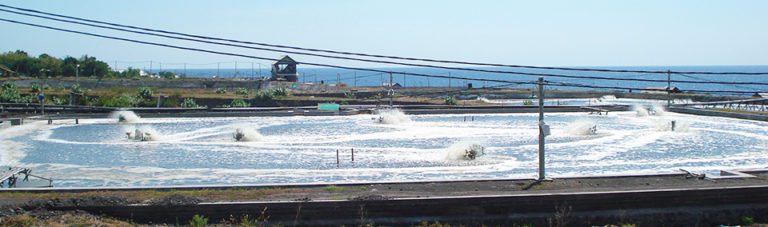
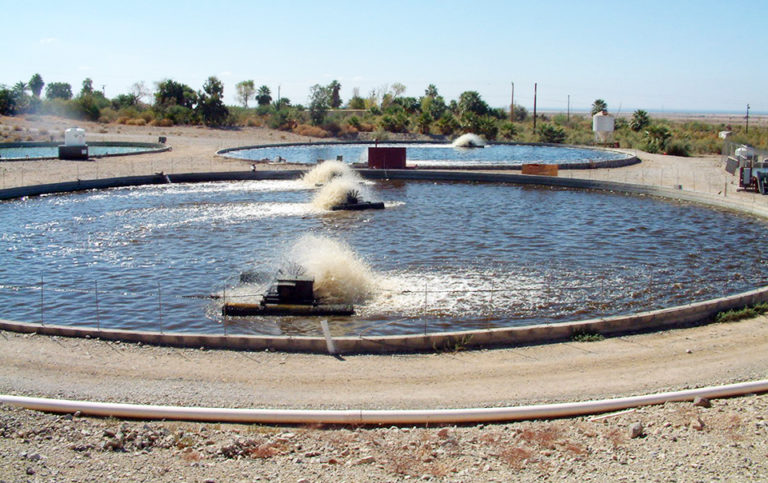
Combining biofloc technology with bio-secure modular shrimp culture can make operations more sustainable and economically viable. For optimized biofloc production, lined ponds and reservoirs and high stocking densities are essential. Paddlewheel aerators keep dissolved-oxygen levels high.
Responsibility
Biofloc technology offers advantages for the sustainable culture of shrimp and some species of fish.
Health & Welfare
With relatively low use of land and water, intensive aquaculture systems can support much higher production than extensive systems.
Health & Welfare
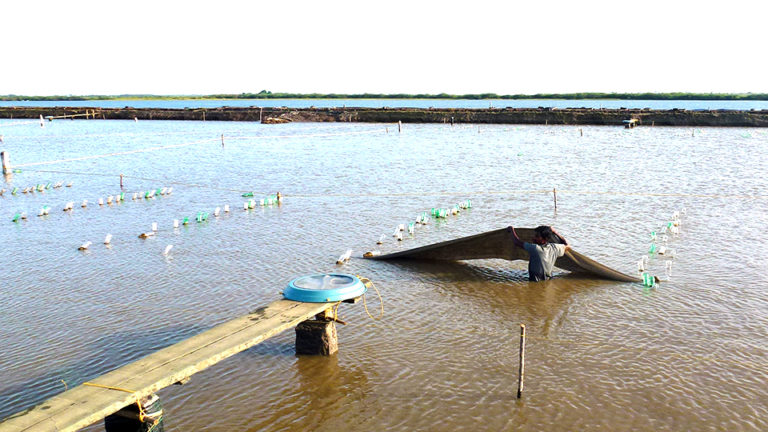
Measurements of nitrogen isotope uptake can enable more efficient study of feed utilization in whole aquaculture pond systems.
Health & Welfare
In an experiment comparing two biofloc concentrations, shrimp grew larger and faster in low-solids, with no significant differences in survival, FCR or final biomass.
Health & Welfare
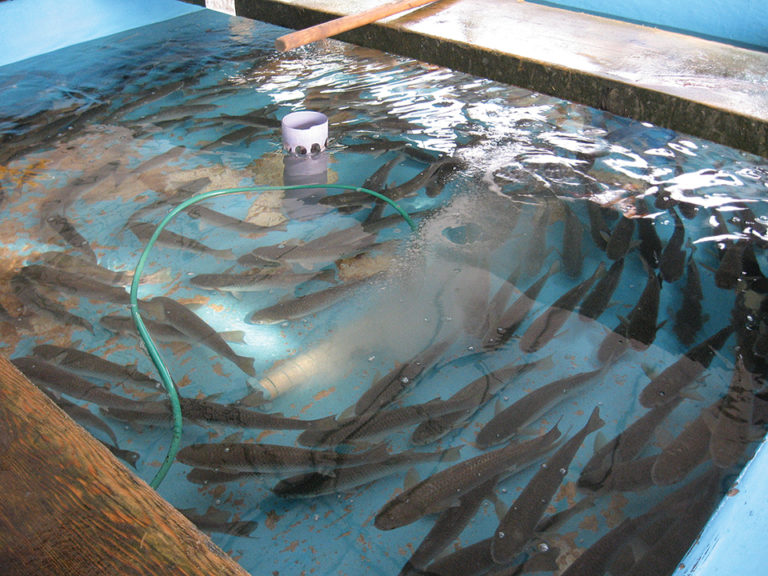
Biofloc systems enable more intensive tilapia production. The fish adapt to the conditions within biofloc systems and grow well by utilizing the bioflocs as a feed source.
Health & Welfare
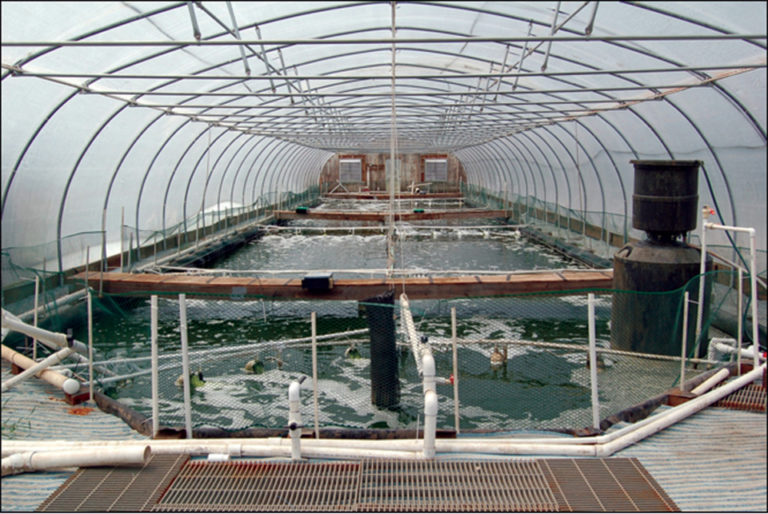
Waddell Mariculture Center operates a commercial-scale prototype raceway utilizing minimal water exchange and biofloc culture to develop protocols for the indoor growout of Pacific white shrimp.
Health & Welfare
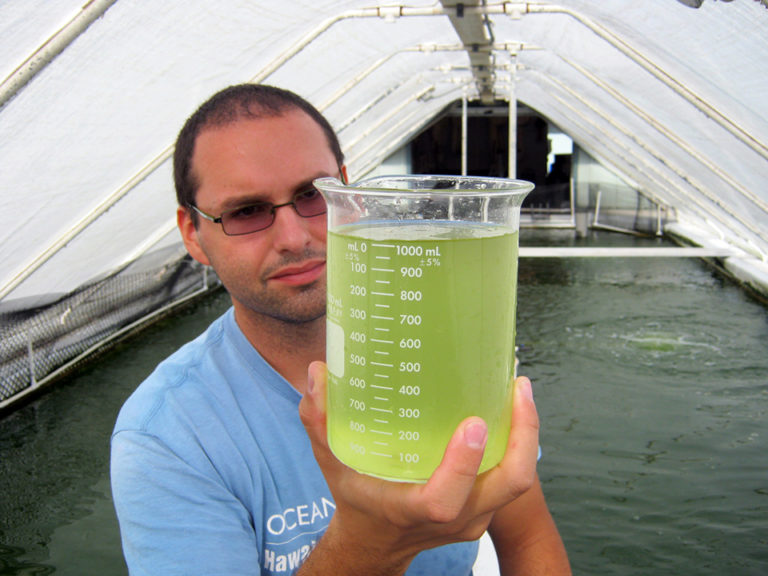
In biofloc production systems, ammonia-oxidizing bacteria process ammonia to nitrite, which provides substrate for nitrite-oxidizing bacteria that process nitrite to relatively non-toxic nitrate.
Responsibility
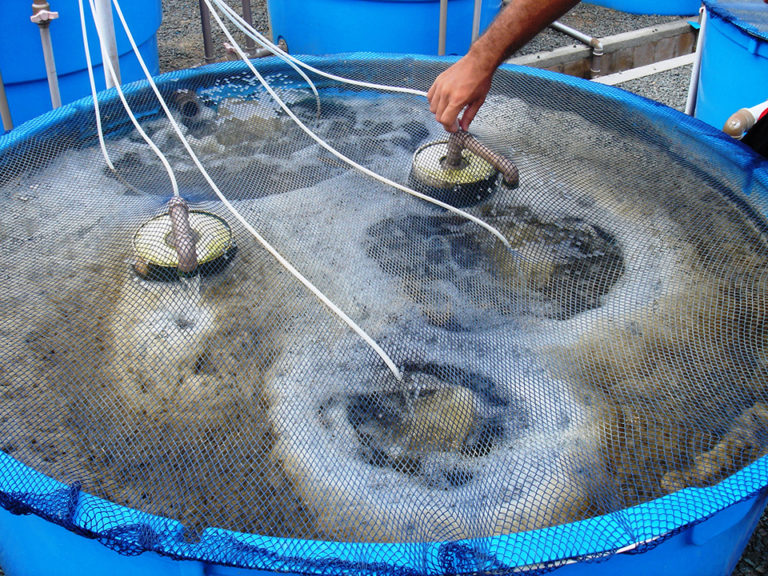
Aerator designs and mixing are key components of biofloc production systems. Diffuser aerators work primarily in smaller systems by moving deeper waters to the surface and creating constant mixing.
Aquafeeds
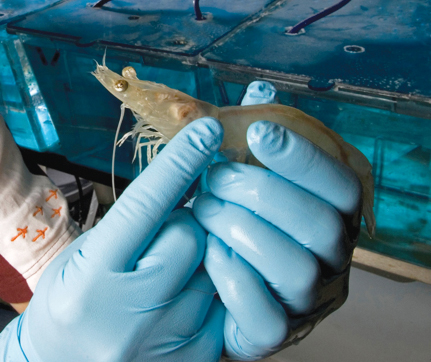
Recent research is demonstrating that biofloc-based proteins are suitable replacements for fishmeal in aquaculture diets. Since bioflocs can be produced while treating aquaculture effluents, a waste product can be converted into a valuable resource.
Aquafeeds
The authors conducted a study to determine how reducing the protein content of a diet would affect the growth performance of L. vannamei reared in an experimental microbial floc culture system.
Responsibility
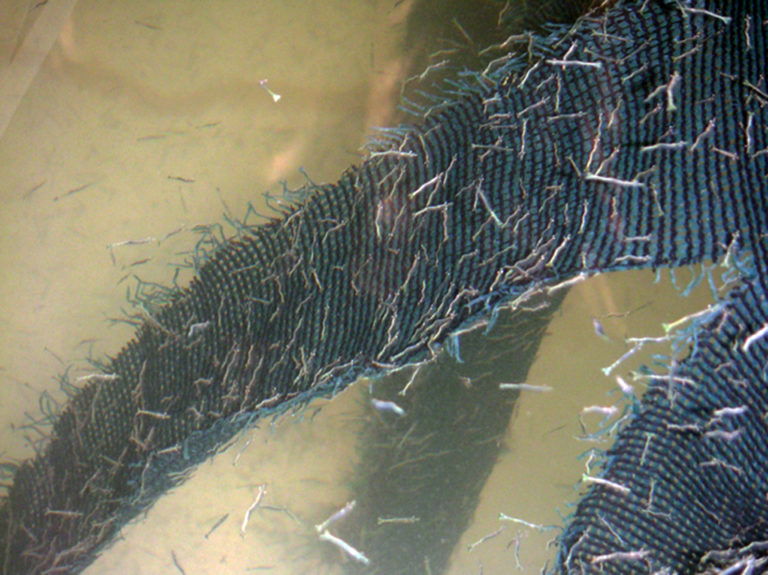
Trials with recirculating shrimp nursery systems in India supported the use of biofloc. To control ammonia is a way to reduce filtration costs.