
Aquafeeds

Rotifers and diatoms aid shrimp biofloc nurseries

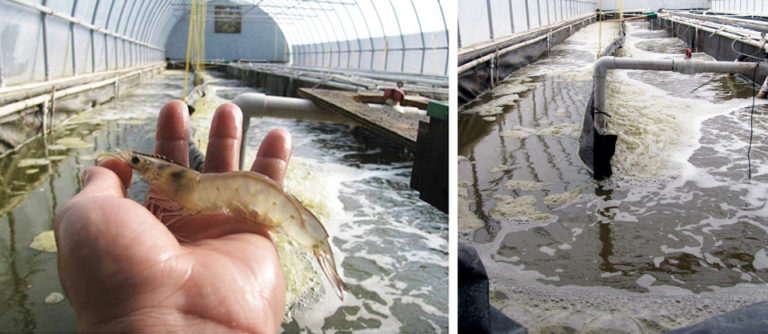
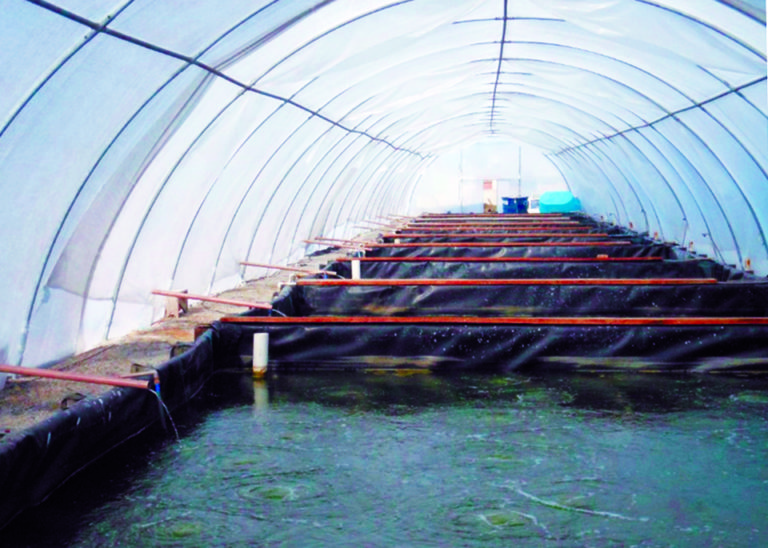
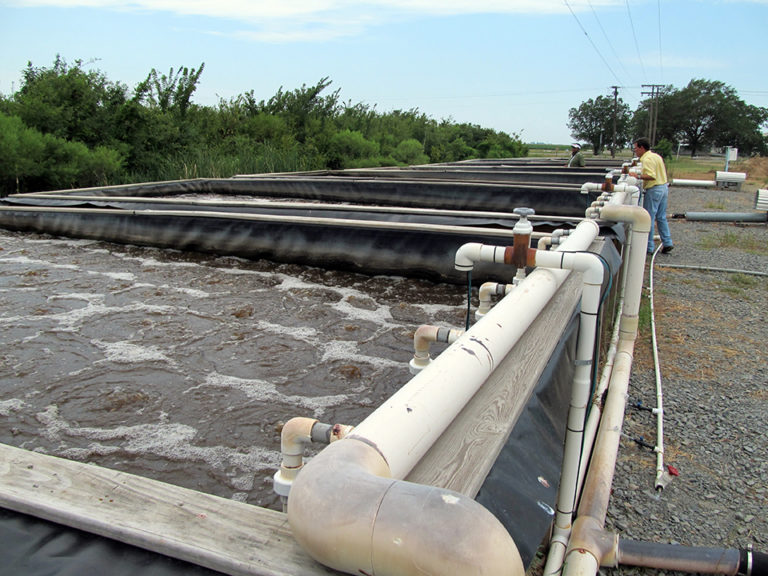
Larval shrimp performance (feed conversion and final weight) in a biofloc nursery system improved with both added diatoms (Navicula sp.) and rotifers (Brachionus plicatilis). 

READ
Novel reactor developed for indoor, high-density production of diatoms
Article image for Novel reactor developed for indoor, high-density production of diatoms

Aquafeeds

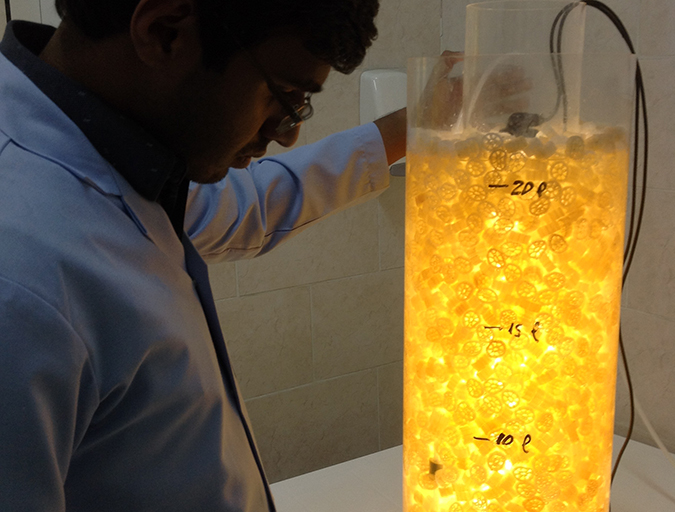
Novel reactor developed for indoor, high-density production of diatoms

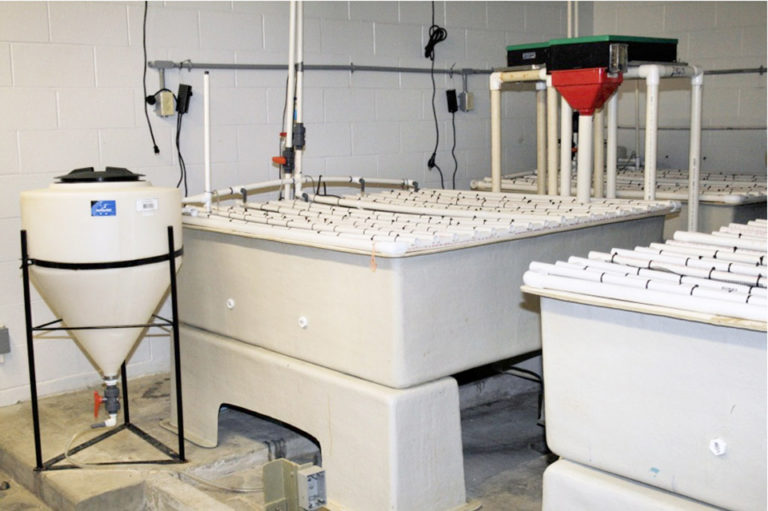
The development of this reactor for the indoor cultivation of non-suspended microalgae like important diatoms such as Amphora spp., and the cellular dry matter values produced in this study will help bio-filming science support the development and improvement of in situ feed supplementation for fish and shrimp ponds, particularly in desert environments. 

Stocking density affects super-intensive biofloc nursery shrimp production
Article image for Stocking density affects super-intensive biofloc nursery shrimp production

Health & Welfare

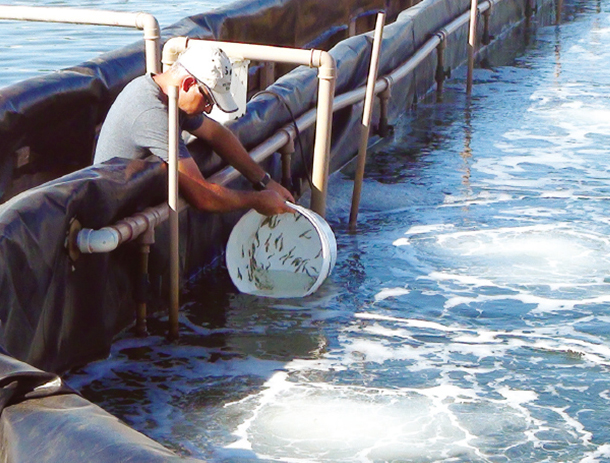
Stocking density affects super-intensive biofloc nursery shrimp production

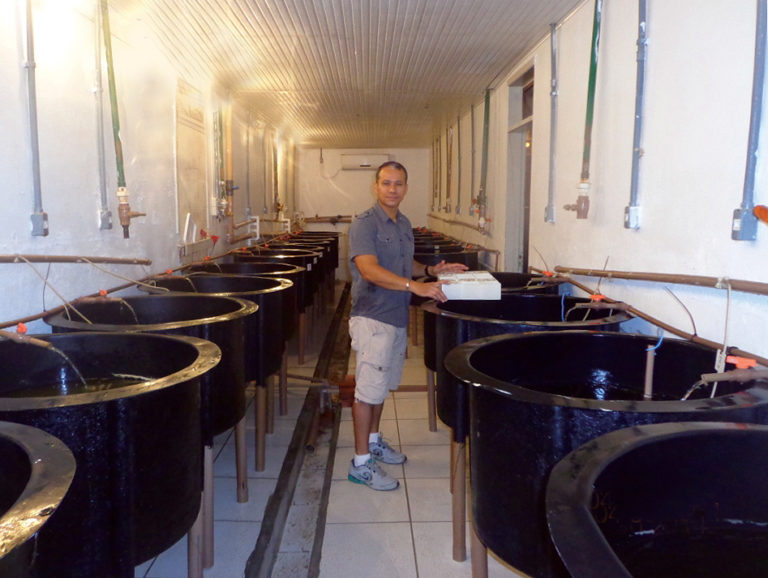
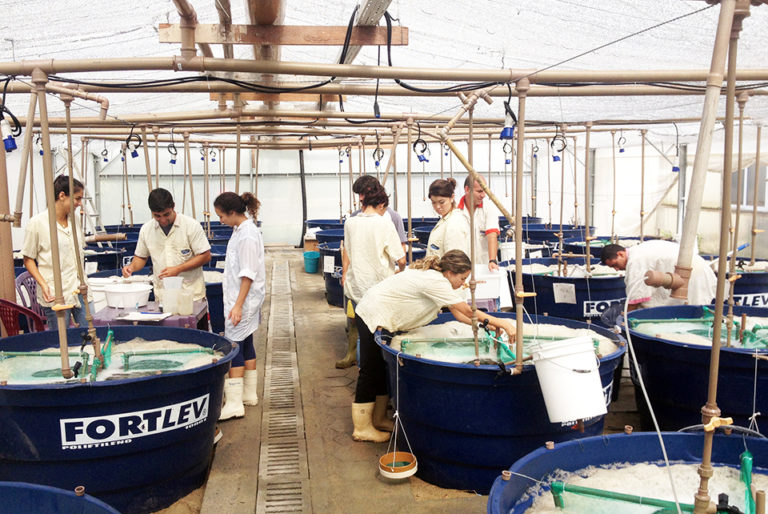
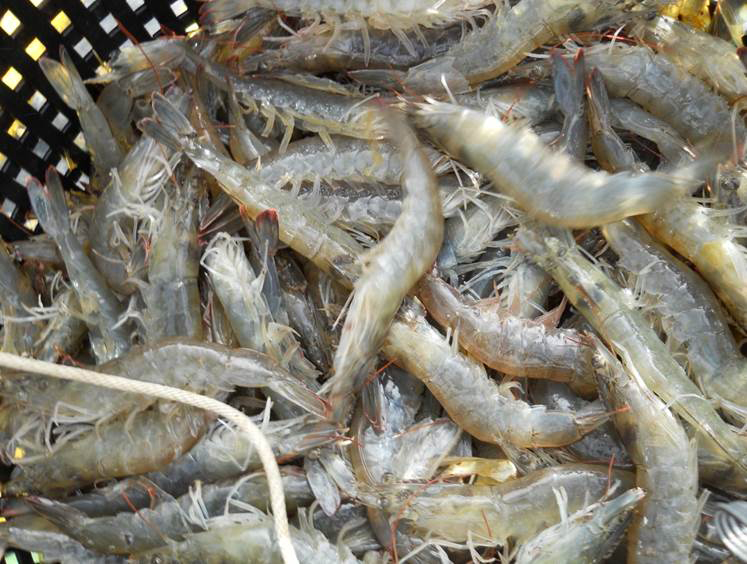
The authors performed a study to determine the tolerance of shrimp postlarvae to the crowding effects of high-density stocking in terms of production performance. Postlarvae were stocked in heavily aerated microcosm tanks with biofloc at 1,500; 3,000; 6,000 or 9,000 shrimp/m3. High survival was observed at all densities. Final biomass values increased with higher stocking densities, but there was no significant difference between the 6,000 and 9,000 shrimp/m3 treatments or the 1,500 and 3,000 shrimp/m3 treatments.