


Shellfish and other aquatic invertebrates could play bigger role in meeting global omega-3 needs

Study finds aquatic invertebrate production provides enough omega-3s and other nutrients to meet the annual needs of more than 1 billion people
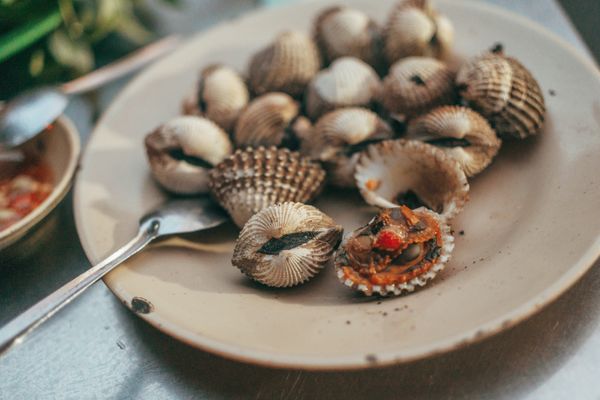
A global study found that shellfish and other aquatic invertebrates provide substantial amounts of essential nutrients, highlighting their role in global nutrition.
The study, published in Nature and led by researchers at King Abdullah University of Science and Technology (KAUST), assessed 30 nutrients essential to human health. Researchers found that current global production of aquatic invertebrates provides enough vitamin B12 and selenium to meet the equivalent annual requirements of more than 5 billion people.
Production also provides enough iodine, zinc, copper and omega-3 fatty acids to meet the equivalent annual requirements of more than 1 billion people, according to the study.
“For far too long, we have measured the success of aquatic food systems in tonnes of production, rather than in the nutrients they deliver to people,” said Jessica Zamborain-Mason, lead author of the study and assistant professor of Marine Science at KAUST. “Our research shows that aquatic invertebrates make a much greater nutritional contribution than many people realize. By bringing nutrition alongside sustainability into decisions about fisheries, aquaculture and broader aquatic food systems, we can better understand the full value of these foods and better protect and sustainably manage them.”
![Ad for [BSP]](https://www.globalseafood.org/wp-content/uploads/2025/07/BSP_B2B_2025_1050x125.jpg)
To conduct the study, researchers compiled nutritional data from hundreds of aquatic invertebrate species, including oysters, mussels and crabs. They then developed predictive models to estimate the nutrient content of more than 50,000 potentially edible species.
The analysis found that aquatic invertebrates can provide a disproportionately large share of some nutrients relative to their production volume. In aquaculture, for example, invertebrates account for about one-third of production by weight but provide more than half of the supply of iodine, vitamin B12, vitamin C and iron, according to the study.
Three-quarters of the world not getting enough omega-3s, research shows
Researchers also examined how processing can affect nutritional value. They found that 100 grams of dried invertebrates often contain higher concentrations of minerals than the same weight of raw tissue, suggesting that processing methods could influence the nutritional value of aquatic foods.
The nutrient estimates developed through the research will be incorporated into SeaLifeBase, an online database of marine species, making the information available to researchers and policymakers.
The researchers cautioned that the findings should not be interpreted as a recommendation to increase harvesting of aquatic invertebrates. Instead, they said the data could help incorporate nutritional value alongside environmental sustainability when making decisions about fisheries, aquaculture and food systems.
“Many aquatic invertebrates around the globe are data-poor or unassessed in terms of sustainability,” said Zamborain-Mason. Our work emphasizes the need to better protect, monitor and assess these resources, as they, together with other aquatic foods, can be a key in achieving current and future nutrition security.”
The researchers suggested the findings could help governments, industry and international organizations consider nutritional value when developing fisheries, aquaculture and food-system policies, while also identifying areas where additional sustainability assessments and nutritional data are needed.
Now that you've reached the end of the article ...
… please consider supporting GSA’s mission to advance responsible seafood practices through education, advocacy and third-party assurances. The Advocate aims to document the evolution of responsible seafood practices and share the expansive knowledge of our vast network of contributors.
By becoming a Global Seafood Alliance member, you’re ensuring that all of the pre-competitive work we do through member benefits, resources and events can continue. Individual membership costs just $50 a year.
Not a GSA member? Join us.
Author

Related Posts

Intelligence
Study suggests omega-3s may work better in Mediterranean diet than fish oil supplements
Study suggests omega-3s may provide greater brain health benefits through diet than through fish oil supplements alone.
Aquafeeds
Nofima study finds rainbow trout fillets store more omega-3s than salmon
Nofima finds higher omega-3 feed levels don't improve trout health or survival, but trout stores more EPA and DHA in fillets than salmon.
Intelligence
Fish-rich Mediterranean diet associated with lower risk of all stroke types in women
A long-term study finds women who follow a Mediterranean diet rich in fish and plant foods have a lower risk of all types of stroke.

Aquafeeds
Study assesses the ROI of including more omega-3 fatty acids in salmon feed
A new study finds that more omega-3 fatty acids in salmon diets boost survival, efficiency and quality, proving ROI in better nutrition.