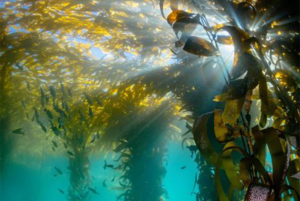
Study: Denser kelp forests are better suited to survive ocean warming
New research reveals that denser and more sheltered kelp forests can withstand serious stressors amid ocean warming.



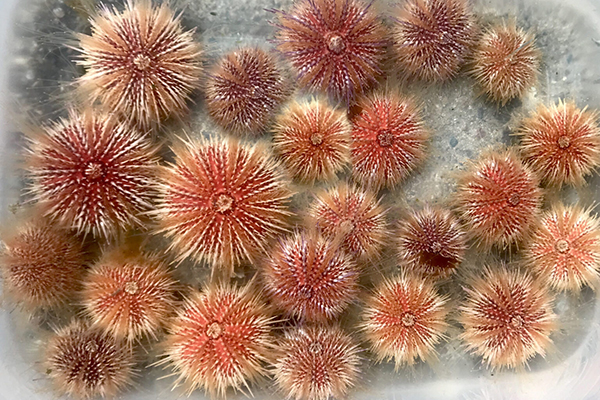
A new study finds that sea urchins deteriorated physically when immersed in less salty water – a risk that could occur with climate change.
New research reveals that denser and more sheltered kelp forests can withstand serious stressors amid ocean warming.
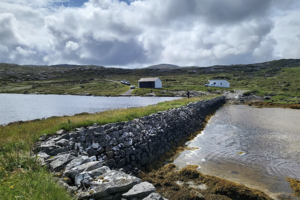
The Salmon Scotland Wild Fisheries Fund will invest in supporting the conservation of Scotland’s wild Atlantic salmon.

A Stirling study finds that adopting aquaculture helps rural Zambian households diversify their income and improve their food security status.
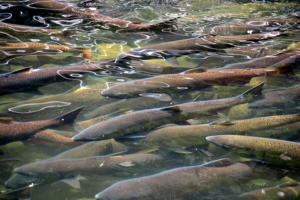
With ocean warming taking a toll on fish like migratory salmon, scientists are exploring artificial options to cool things down for them.
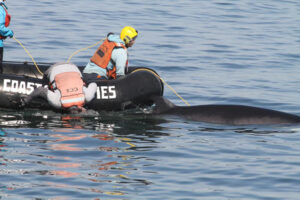
A new report from NOAA confirms 67 large whale entanglements nationally in 2022 – none involving the North Atlantic right whale.
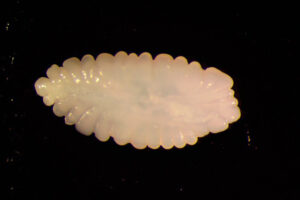
Marine heatwaves trigger shift in hatch dates and early growth of Pacific cod, concludes a new study from Oregon State University.
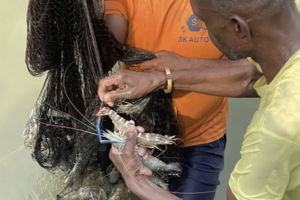
A study reveals that effective climate data services could help fish farmers in Bangladesh reduce aquaculture losses caused by climate change.
A new study found ocean temperatures were “off-the-chart” in 2023, causing more intense weather patterns and impacting marine life.
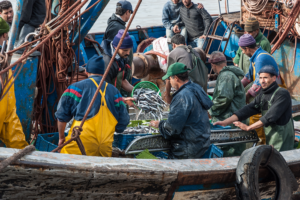
The Financial Transparency Coalition reported that IUU fishing and forced labor often go hand-in-hand and that greater transparency is key.
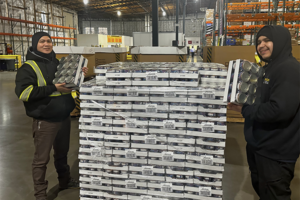
Wild Planet Foods donated the equivalent of 710,000 nutrient-rich seafood meals to hunger relief organizations last year.
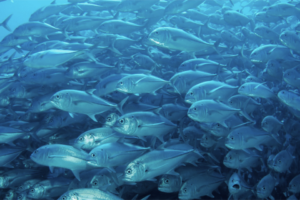
An expert panel of scientists convened by CRC discussed driving the blue economy while improving seafood nutrition, accessibility and sustainability.
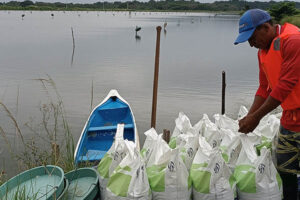
A new product line minimizes the carbon footprint associated with shrimp farming while enhancing social impact initiatives in Ecuador.
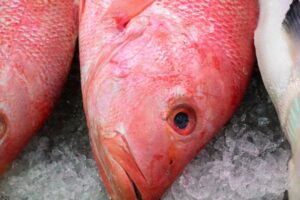
A study puts U.S. seafood loss and waste at 22.7 percent, far lower than earlier estimates reported in the scientific literature.
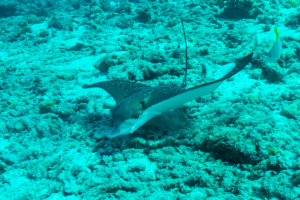
Florida Atlantic University researchers investigate ways to help the state’s clam farmers repel a predatory species cutting into their profits.
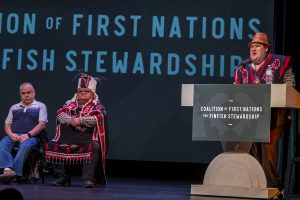
The Coalition of First Nations for Finfish Stewardship releases a “responsible, realistic and achievable” plan for an Indigenous-led blue economy.