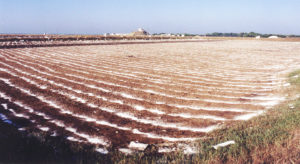
Carbon-nitrogen ratio management
Carbon-nitrogen (C:N) ratio is an important variable related to soil fertility. Intensive ponds have lower C:N ratios, while higher ratios are found in extensive ponds and those constructed in organic soil.



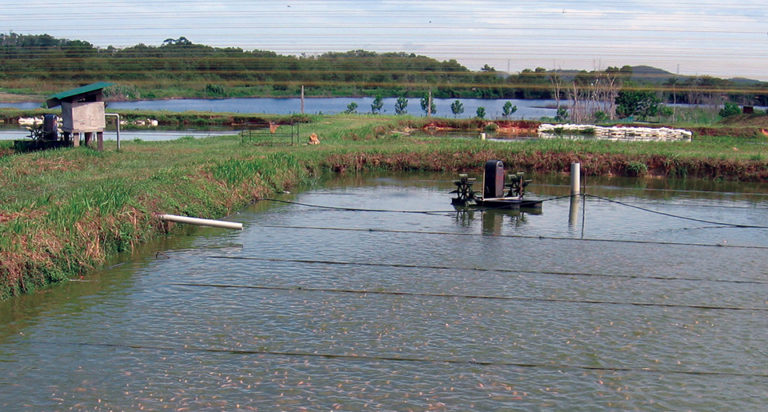
The oxygen demand of feed represents the dissolved oxygen removed by the respiration of culture animals, microbial decomposition of uneaten feed and feces, and oxidation of ammonia nitrogen by nitrifying bacteria.
Carbon-nitrogen (C:N) ratio is an important variable related to soil fertility. Intensive ponds have lower C:N ratios, while higher ratios are found in extensive ponds and those constructed in organic soil.
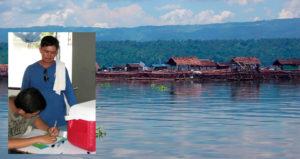
Compliance with E.U. food laws was beneficial to aquaculture in the Philippines, but increased costs also initially created inequities for small farmers.
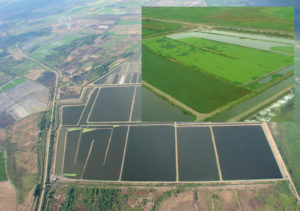
Recirculating systems, where probiotic, heterotrophic bacteria compete with pathogenic bacteria, can operate without antibiotics to produce tilapia and shrimp.
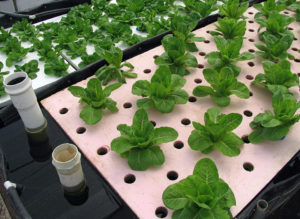
With the downturn in the global economy, interest is rising in backyard aquaculture systems ranging from simple tanks to setups requiring complex filtration, aeration and monitoring equipment.
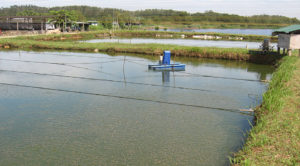
Vertical integration to control the product from the first stages of production through packaging is an excellent way to minimize preventable risks.
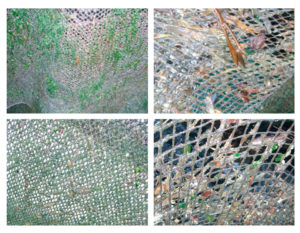
Ultrasound offers a low-impact alternative to chemical treatments for unwanted algae, like chlorophyll a, and biofilms in aquaculture.
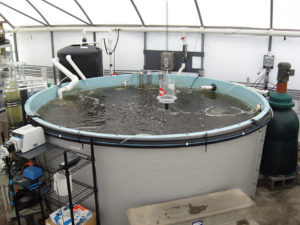
One way to jump start biofilter operation is by adding sugar, which can provide sufficient organic carbon to neutralize the ammonia-nitrogen produced.
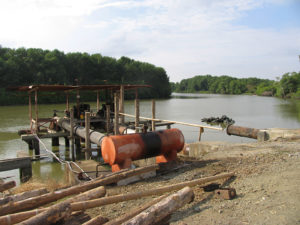
Excessive concentrations of trace metals, especially copper, are toxic to phytoplankton and other aquatic plants. The ionic forms of trace metals are toxic to fish and other aquatic animals, but soluble, chelated trace metals are relatively non-toxic.
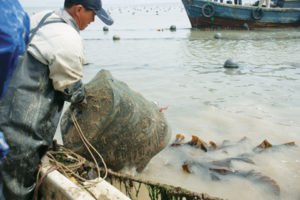
In the authors’ recent study, sea cucumbers were added directly to abalone cages with no modifications of the culture equipment to form a simple, low-cost IMTA production system.
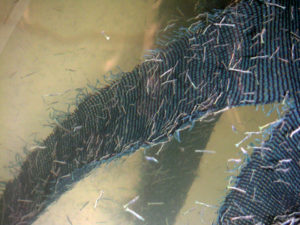
Trials with recirculating shrimp nursery systems in India supported the use of biofloc. To control ammonia is a way to reduce filtration costs.
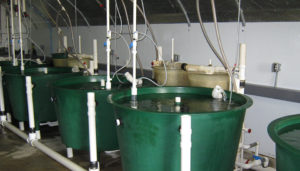
U.S. institutions are collaborating to evaluate low-energy recirculating aquaculture system designs to produce marine finfish in a low-salinity environment.
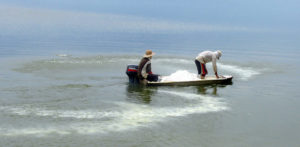
In calculating chemical treatments to apply to ponds, one must adjust for the percentage of the active ingredients in products. Adjustments for both active ingredient content and specific gravity must be made for liquid products.
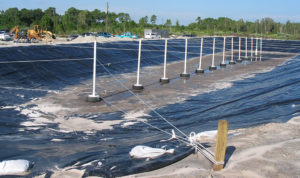
Ponds constructed on sandy or permeable soils are most likely to have high seepage rates. Ponds built in any soil can seep if improperlty constructed.
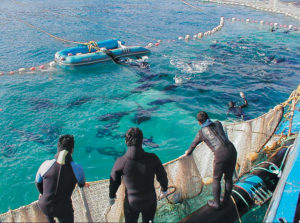
One of the chief limitations for the tuna aquaculture industry is its primary dependence on diminishing wild fish to stock marine cages.
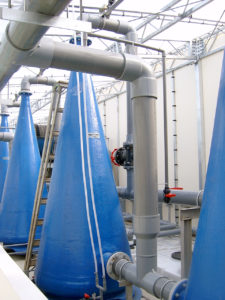
Speece cones are capable of providing high concentrations of dissolved oxygen or ozone for water used in aquatic systems. High pressure within the cone systems diffuses the oxygen or ozone into the water as it flows downward through the inverted cone shape of the units.