Peracetic acid products expand sanitizing, organic water treatment options
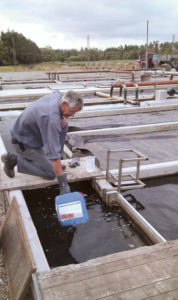
Peracetic acid products, which have strong anti-microbial effects, can be used as sanitizers to control water quality in aquaculture systems.
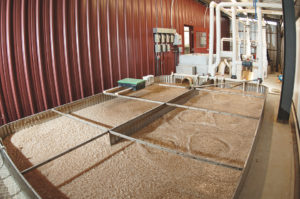
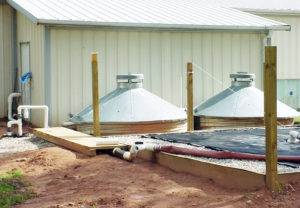
An important criterion when studying biofilters is the conversion rate of total ammonia nitrogen (TAN) to nitrate-nitrogen in production water. Although nitrification rates have been based on media surface areas, they do not always reflect the actual nitrification achieved. Volumetric TAN conversion rate is a direct measure based on filter volume.
Peracetic acid products, which have strong anti-microbial effects, can be used as sanitizers to control water quality in aquaculture systems.
In life cycle analysis of aquaculture, there is a danger of the entire array of embodied resources and impacts being assigned to the production facility. Producers have no control over the inefficiencies or impacts associated with feed production, but can help lessen resource use through good management practices.
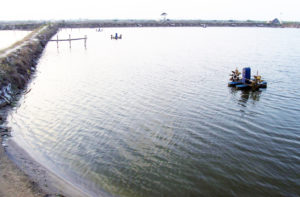
Shrimp culture in coastal Bangladesh is threatened by climate change variables that include flooding, cyclones, drought, salinity changes and rising sea levels. Holistic planning can help reduce the impacts.
Under cultivation, macroalgae grow rapidly and synthesize large amounts of carbon/energy reserves while utilizing wastewater. Seaweed can remove pollutants from industrial agriculture effluent and reduce coastal eutrophication.
The creation and application of reference tables for acceptable concentration ranges of physical and chemical water quality variables for culture organisms would be challenging due to the differing tolerances found among the many farmed species.
The authors believe that dry-out periods likely destroy most organisms in pond bottoms, and liming of the entire bottom area should be done only to neutralize soil acidity and increase pH for organic matter decomposition by soil microorganisms.
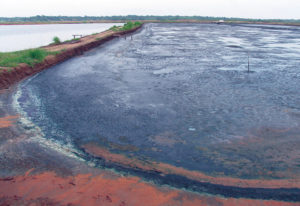
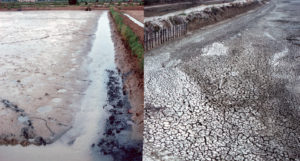
The main pond bottom soil management practices used in semi-intensive culture are pond dry-out and liming between crops. These practices accelerate organic matter decomposition, neutralize soil acidity and destroy unwanted organisms.
To quantify the carbon dioxide and methane fluxes in tropical earthen ponds, the authors used freshwater prawn farming managed according to different strategies as a model.
The integration of marine and brackish water aquaculture with plants can help lead to alternative food production on coastlines, in arid lands and in urban/periurban areas. Some 50 salt-tolerant plants could be cultivated for grains or biodiesel applications.
Copper is used for control of the blue-green algae responsible for off-flavors in aquaculture animals, treating diseases and parasites, and avoiding cage net fouling. Although copper is an essential nutrient for plants and animals, an excess can negatively affect the environment and human health.
Geotextile bags used in combination with polymer flocculant aid chemicals can provide effective primary treatment of recirculating aquaculture system effluent. Much of the suspended solids that carry the majority of the organic load within the effluent can be captured by these systems.
Light penetrating water is scattered and absorbed exponentially as it passes downward. The presence of dissolved organic matter and suspended solids further impedes light penetration, and different types of solids absorb different wavelengths.
In addressing waste managers – representing the governments of various Asian nations at the “Inception and Capacity-Building Workshop on National and City-Level Waste Management Strategies” in Osaka, Japan – the author recommended holistic views, focusing “upstream” and using waste management interventions to foster social capital.
While intensive shrimp farms in Australia and elsewhere are sensitive to rising energy prices, global intensification and farming innovations have led to significant improvements in shrimp farm energy efficiency. Important among the changes was the global switch to zero-exchange production of white shrimp.
Aquaculture managers must regularly make operational risk decisions that affect efficiency, competitiveness and economic performance. Although qualified managers can make excellent decisions, human nature potentially limits their results.