They’re ‘everywhere’: The pervasiveness of microplastics
How has the plastic in aquaculture operations contributed to microplastic pollution? And is plastic pollution contaminating aquaculture products? The Advocate takes a closer look.



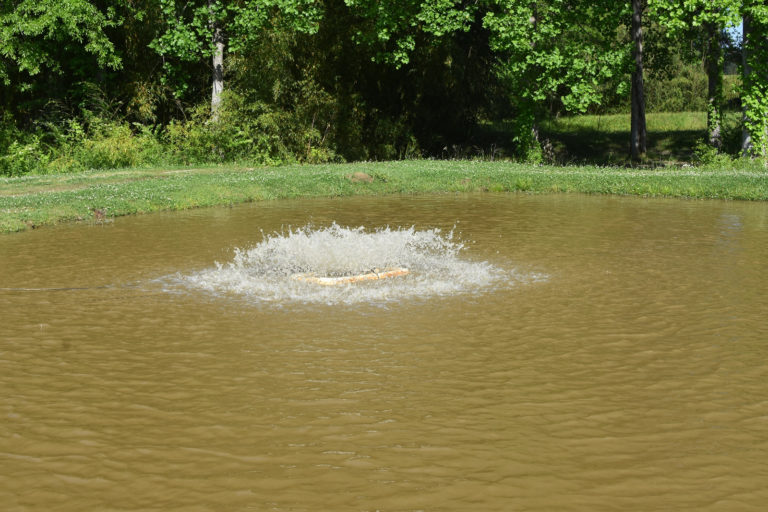
This study compared water temperature and water loss by evaporation in control ponds and in ponds aerated with surface aerators at four different aeration rates. Increased aeration rate increases the evaporation rate, which in turn lowers water temperature.
How has the plastic in aquaculture operations contributed to microplastic pollution? And is plastic pollution contaminating aquaculture products? The Advocate takes a closer look.
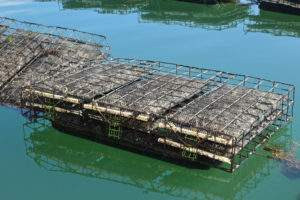
The Shellfish Growers Climate Coalition, an initiative of seven founding U.S. aquaculture farmers, last week launched a partnership with The Nature Conservancy (TNC) to spread public awareness about climate change and its impact on their businesses.
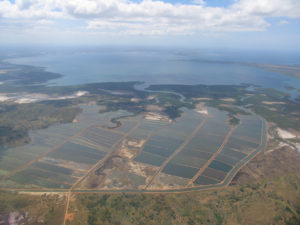
This article by Dr. Claude Boyd reports on global estimates for shrimp pond area in several countries. Because land use is an important indicator of the environment impact of an activity, better data on the shrimp pond area and the areas devoted to other types of aquaculture are needed.
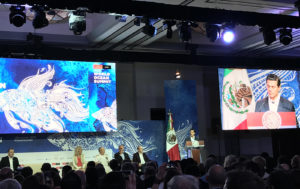
While talk of preservation and conservation dominated the annual event, a blunt query reminded all that the oceans need protection and sustainable development.
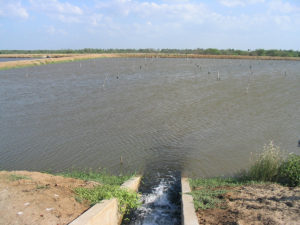
Ionic imbalance in low-salinity culture water may negatively influence shrimp survival and growth, and it is common to apply various mineral salts to low-salinity shrimp ponds.
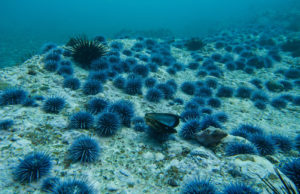
With Norwegian knowledge and a partnership with Mitsubishi, Urchinomics aims to turn worthless empty urchins into valuable seafood while restoring kelp forests and creating jobs.
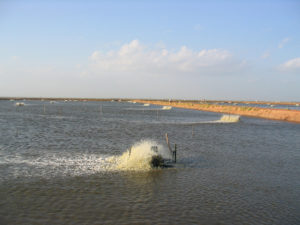
Water mixing and movement distributes dissolved oxygen, fertilizers, liming and other products, as well as destratifies the water column in aquaculture systems.
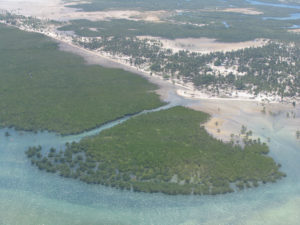
Aquaculture certification programs reduce the environmental impacts of aquaculture and avoid negative impacts on biodiversity, but no single indicator of biodiversity can be used as a standard in aquaculture certification.
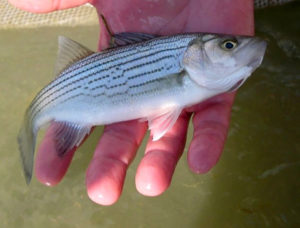
A dose-response study was conducted in an outdoor biofloc system to begin quantifying the stocking rate production function for sunshine bass advanced fingerlings.
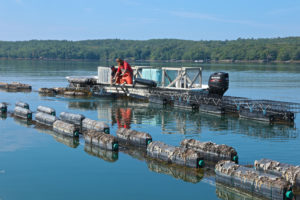
Bill Mook’s oyster farm is adapting to more frequent and intense rains, more acidic and warming seawater and other challenges that climate change brings.
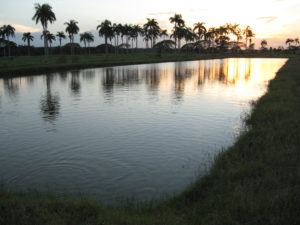
Intensification of pond aquaculture involves the use of commercial fertilizers such as urea and triple superphosphate to stimulate phytoplankton blooms. There is no objective way of determining the ideal fertilization rate for an individual pond.
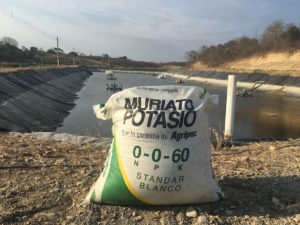
Commercial nitrogen and phosphorus fertilizers are widely used in aquaculture production systems to stimulate phytoplankton growth and the food web that provides natural food organisms beneficial to stocked fish fry and shrimp postlarvae.
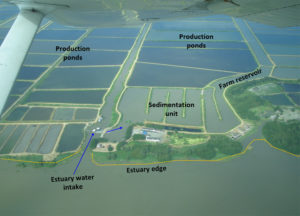
Several large shrimp farms in Latin America, originally built to operate using significant, flow-through water exchange with the surrounding environment, have been retrofitted to a recirculating operation mode. This modification provides numerous benefits, including improved biosecurity.
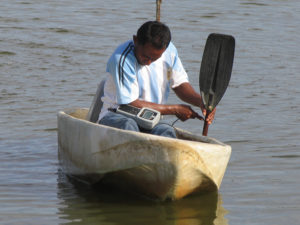
Confusion can result because of differences in units (dimensions) used to report water quality variables, which can lead to faulty assessments. Professor Claude Boyd discusses issues related to units of measure for some common water quality values in aquaculture.
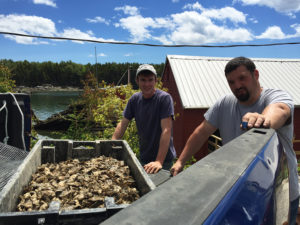
Algunos pescadores de langosta de Maine están recurriendo a la acuicultura en un intento por diversificar y dar a las libras de langosta una segunda oportunidad de producir mariscos locales.