
SeaWeb Seafood Summit in Thailand highlights rise of worker voice
Patima Tungpuchayakul, who rescued more than 5,000 Thai and migrant workers on fishing vessels, punctuates an emotional event kickoff.



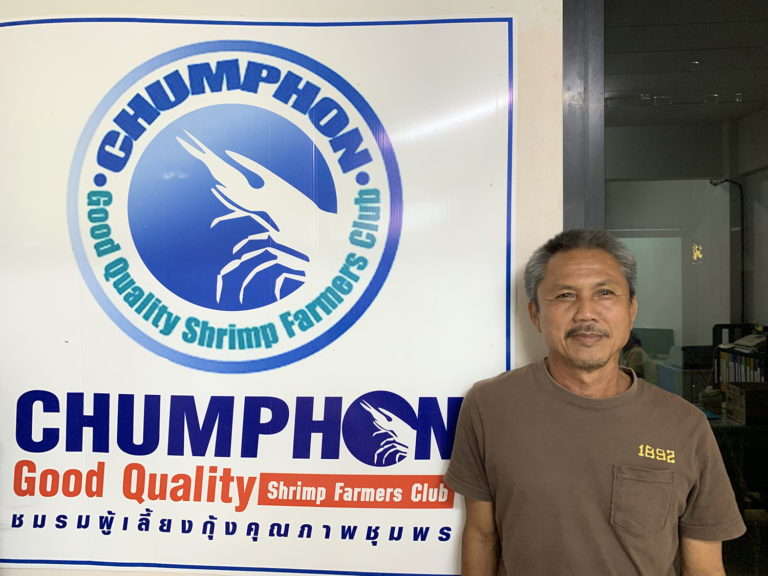
A group of NGOs and businesses is developing tools and interfaces aimed at helping farmers reduce disease outbreaks both individually and at the area level.
Patima Tungpuchayakul, who rescued more than 5,000 Thai and migrant workers on fishing vessels, punctuates an emotional event kickoff.
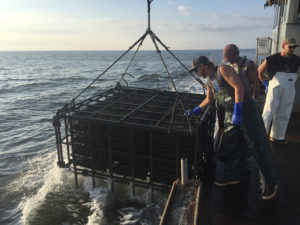
Research results suggest that oyster farming can enhance wild oyster populations if oysters are harvested before spreading disease.
Aquaculture is an essential contributor to the world food security challenge, and every stakeholder has a role to play in the sector’s evolution, delegates were told at the recent Aquaculture’s Global Outlook: Embracing Internationality seminar in Edinburgh, Scotland.
Prof. Boyd examines products used by aquafarmers to improve water quality and conditions in their ponds and discusses their efficacy.
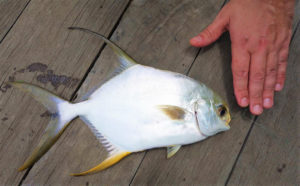
This study evaluated intercropping production of silver pompano in a shrimp farm in Northwest India to determine its economic and technical viability.
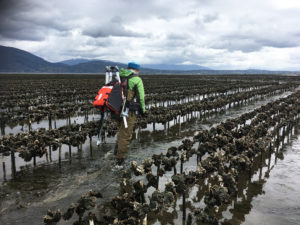
Drones and GoPro cameras are helping researchers, regulators and operators understand how shellfish farming interacts with sensitive habitats like eelgrass beds.
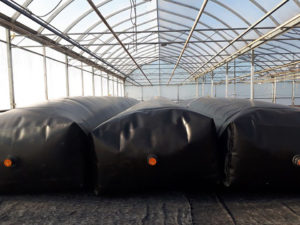
A handful of aquaculture companies in British Columbia are upgrading to "clean-tech" equipment to make their businesses more sustainable and efficient.
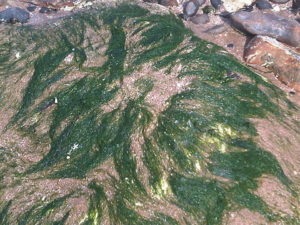
A laboratory prototype methodology was developed for cost-effective, water-sparing drip-irrigation of seaweeds as a model for larger-scale land-based units.
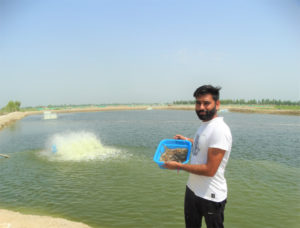
The successful development of aquaculture for shrimp, carp and other species in inland areas waterlogged with saline waters in the State of Punjab, India, shows the potential for this activity in the 1.2 million hectares of these areas in northern India.
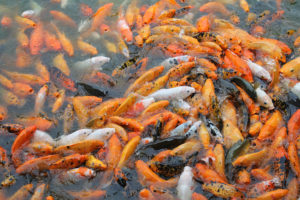
Prof. Boyd discusses toxicity of chemical substances in aquaculture systems and the difficulties in establishing safe concentration limits for toxic metabolites.
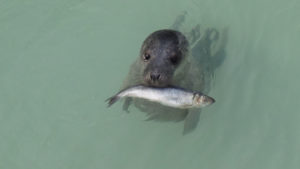
Seals have always preyed on Scotland’s salmon farms. As their population rises, producers seek alternative deterrence techniques to solve the problem.
Authors review global aquaculture production, including development, farming systems, environmental concerns and further growth potential.
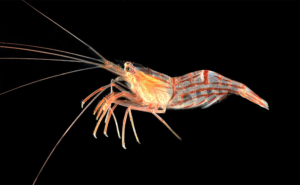
Researchers in Australia are experimenting with a biological control for warmer climates: a parasite-eating shrimp popular with aquarium enthusiasts.
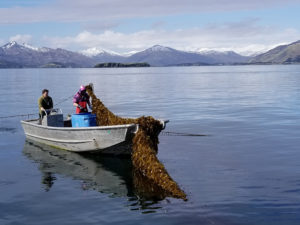
The word aquaculture is a dirty one in Alaska, where finfish farming is firmly prohibited. But if your farm fits a certain description, permits to proceed can indeed be obtained.
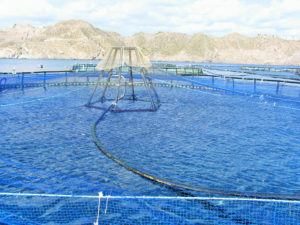
Authors quantified the environmental niche and inferred the global habitat suitability index of the 102 most farmed marine species using four species distribution models.