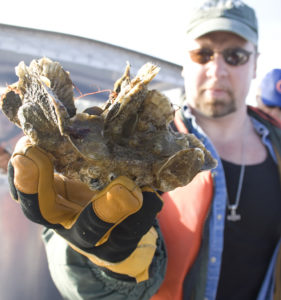
Oyster farm water quality and hydrodynamics in Chesapeake Bay
Study looks at how water quality and hydrodynamics vary among Chesapeake Bay oyster farms, as well as the differences inside and outside grow-out areas.



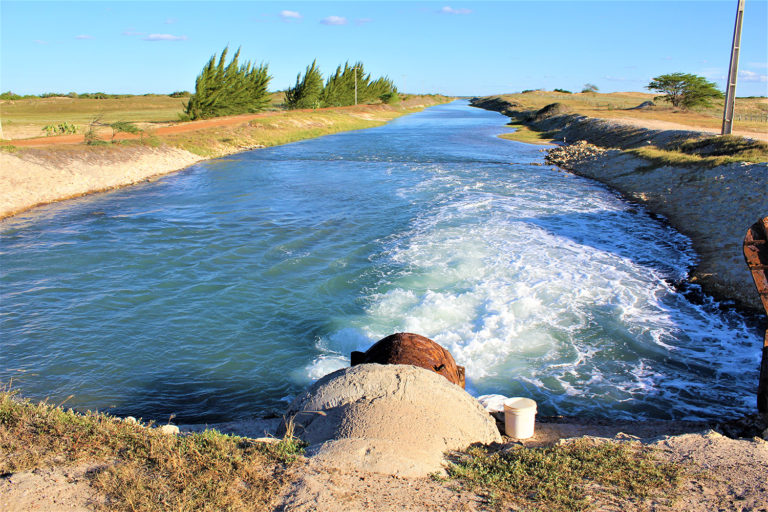
A review of various aspects of waste production from aquaculture, their sources and components, and methods of management for different culture systems.
Study looks at how water quality and hydrodynamics vary among Chesapeake Bay oyster farms, as well as the differences inside and outside grow-out areas.
Study evaluates production characteristics, minerals, off-flavors and water quality dynamics on channel catfish reared in used and in new biofloc water.
To recruit fish farmers into an aquaculture improvement project (AIP), a Wageningen University researcher finds “tell your friends” has tremendous value.
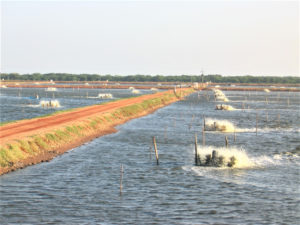
Prof. Boyd writes that his calculations suggest that the efficiency of shrimp pond aeration could be improved with internal combustion engines and drive trains.
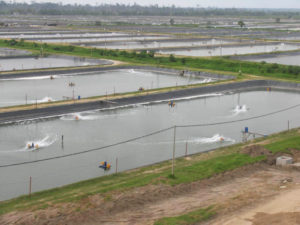
Prof. Boyd discusses energy use in aeration for aquaculture production systems, along with rates, types of aerators, motors and electricity generation.
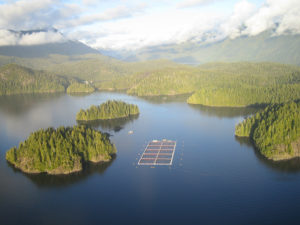
The Canadian Liberal Government’s announcement of Aquaculture Act left the industry feeling anxious while some stakeholders say they were completely left out of the process.

Shrikumar Suryanarayan delivers his PechaKucha presentation at the Global Aquaculture Alliance's annual GOAL conference, held this year in Chennai, India.
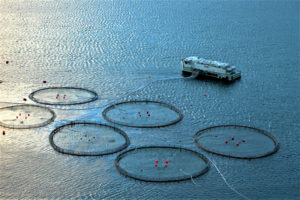
Proof-of-concept studies for precision fish farming would be easier in laboratories, but demonstrating effects in full-scale farming conditions is critical.
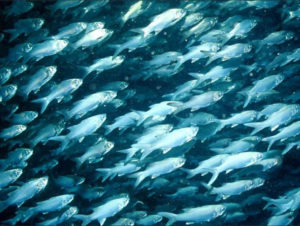
A review of technology usage in finfish aquaculture, future application possibilities for precision fish farming (PFF) and guidelines for research.
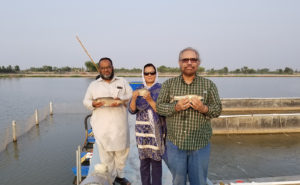
In-pond raceway systems have potential to improve farmed fish production in Pakistan. Production of grass carps, rohu carps and tilapia is being tested.
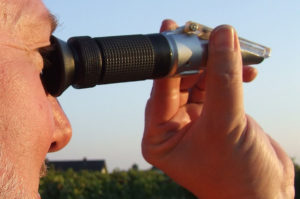
Prof. Boyd on how to measure salinity in aquaculture, examining electrical conductivity (specific conductance), density, chlorinity and refractive index.
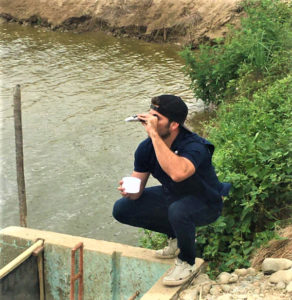
Prof. Boyd discusses the various definitions of salinity as an environmental factor of importance which, in aquaculture settings, can be easily measured.
Josh Goldman is on a mission to reproduce asparagopsis, a tropical seaweed that could have a significant impact on global greenhouse gas emissions.
The U.S. Soybean Export Council explores export opportunities in sub-Saharan Africa, finding the region holds “much potential” for aquaculture growth.
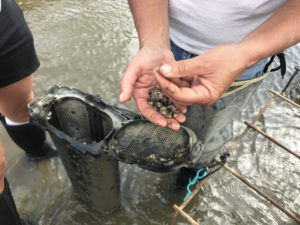
Oyster producers learn to adapt in a Delaware Bay ecosystem that's critical for endangered shorebirds and highly protected horseshoe crabs.