
The one that got away from the New York Times
Seafood industry veteran Phil Walsh takes a satirical look at how mainstream media filter news reports about wild and farmed fish. But the marketplace influence of unnamed “insiders” is no joke.
With much to learn yet from the more mature chicken sector, farmed salmon has potential to become a more favored option for consumers. This study shows the potential for actions in salmon value chains to improve consumer perceptions.
Seafood industry veteran Phil Walsh takes a satirical look at how mainstream media filter news reports about wild and farmed fish. But the marketplace influence of unnamed “insiders” is no joke.
In a survey of more than 1,500 Chinese consumers, the authors studied their fresh food purchasing behavior and found food safety to be the top priority. These consumers are willing to pay more for safe, fresh food, and they’re paying attention to the details.
We delve deeper into the foodservice industry’s engagement with sustainable seafood and aquaculture by talking to Ned Bell, the Vancouver Aquarium’s new executive chef. He continues to call on his Canadian culinary comrades to learn more about seafood, then help educate consumers.
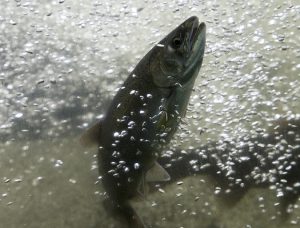
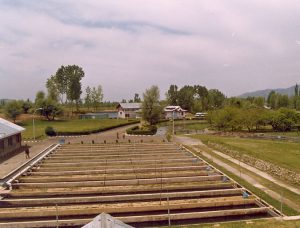
India has a small trout farming industry in the Himalayan and Southern Peninsula areas. Even though current annual production is only a few hundred tons, the country has many areas that, although geographically difficult to work in, also offer excellent, very large habitats and conditions for trout culture.
The yellow tail characin (Astyanax bimaculatus) is a species with much potential for expanded aquaculture production in Brazil, with many characteristics suitable for culture. More research is needed to improve and optimize aquaculture production technologies for this interesting species.
Michael Tlusty and Øistein Thorsen, authors of the recently published paper, “Claiming seafood is sustainable risks limiting improvements,” delve into the declarations made by companies and remind all that sustainability is a journey, not a destination.
In the second Off the Knife interview with chefs and foodservice professionals, Barton Seaver tells the Advocate that while restaurant employees shouldn’t have to recite sustainability science at tables, they can personalize their knowledge and effectively communicate the method behind the menu.
Concerns raised recently by Dr. Claude Boyd may have been accurate a decade ago, but Seafood Watch Science Director Wendy Norden says the program has made significant progress and is indeed encouraging better performance in aquaculture.
Sino Agro Foods ha desarrollado un sistema de acuícola de recirculación de propiedad que genera altos volúmenes de producción y rentabilidad. La instalación debe contribuir significativamente a la producción de mariscos en China y a ayudar a satisfacer la creciente demanda de productos de mar de alto valor, inocuos y producidos sosteniblemente.
Writing from Rome at the United Nations’ Food and Agriculture Organization’s COFI 32 conference, Advocate contributor Roy Palmer solicits input on how to promote the health benefits of seafood consumption worldwide.
According to the United Nations’ Food and Agriculture Organization State of World Fisheries and Aquaculture 2016 report, global per-capita seafood consumption eclipsed 20 kilograms for the first time. This infographic highlights some of the key findings for aquaculture and its important role in feeding the world.
Sino Agro Foods has developed a proprietary recirculating aquaculture system that yields high production volumes and profitability. The facility should significantly contribute to seafood production in China and to help satisfy increasing demand for high value, safe and sustainably produced seafood.
The latest Global Nutrition Report indicates serious levels of both malnutrition and adult overweight and obesity. It is a major challenge, particularly among women and children. Seafood, including from aquaculture, can play a significant role in helping address this issue.
Farming of giant freshwater prawns is very popular in China. The Yangtze River Delta region produces more than 60 percent of the country's output. Production increases have resulted from a novel system that involves greenhouses that allow ponds to be stocked ahead by two months.
At the match-making event presented by FirstSource Events pairing seafood buyers with suppliers in a low-key setting, the conversations were mainly about how to sell more seafood, driven by sustainability, convenience and positive messages about aquaculture.