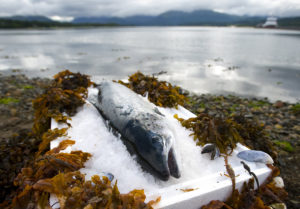
Aquaculture UK: Stepping up to the plate
There’s considerable opportunity to grow the UK aquaculture industry. At the Aquaculture UK exhibition and conference in Aviemore, Scotland shows the way.



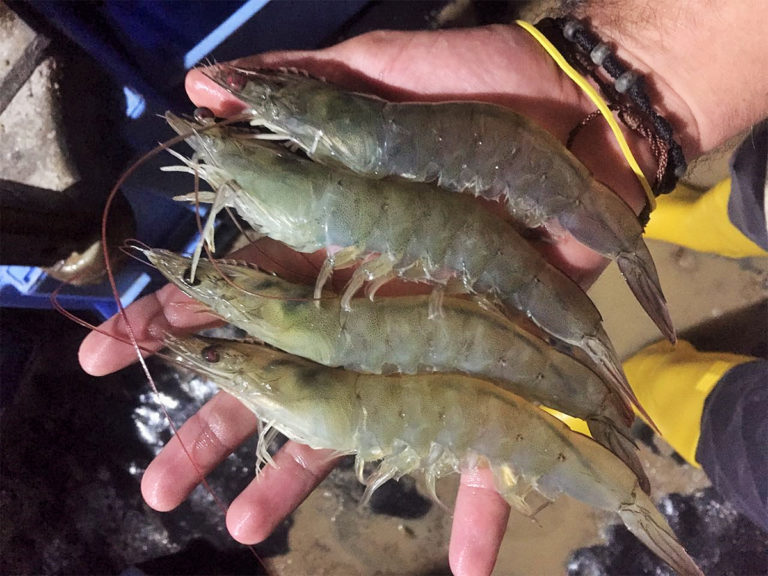
At the Guatemalan Aquaculture Symposium in Antigua, the focus was shrimp farming in the region: production, nutrition, health management and markets.
There’s considerable opportunity to grow the UK aquaculture industry. At the Aquaculture UK exhibition and conference in Aviemore, Scotland shows the way.
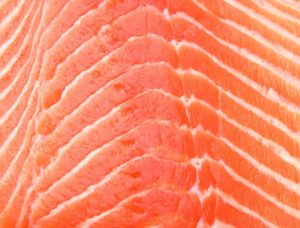
Cargill and Australia’s Nuseed are both investing large sums of money in the development of a genetically modified canola oil rich in DHA. Meanwhile, a leading nutritionist casts doubts on the necessity of omega-3s from fish.
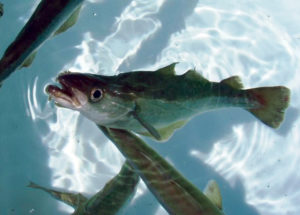
Pollack adapts well to captivity, spawns naturally and has good growth rates. It can be considered likely to have successful culture in Atlantic Europe.
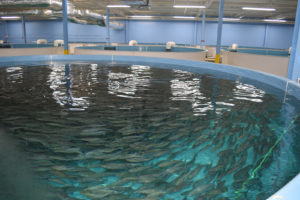
A rash of large-scale, land-based recirculating aquaculture systems (RAS) are planting their flags on U.S. soil, even though it will take several years and hundreds of millions of dollars of investment before they produce their first sellable fish.
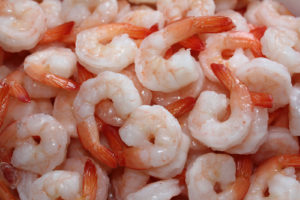
Aquaculture has a great story to tell. The industry creates healthful products with economic benefits and does so with increasing environmental stewardship. But that story needs better telling with credible, science-based facts and with transparency and responsibility.
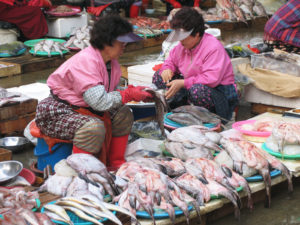
Authors analyzed the role played by fish and fishery products – from aquaculture or from wild capture fisheries – in the diets of the richest and poorest countries. Fish and fishery products have an essential function in human nutrition.

A leader at one of the new Maine RAS ventures talks ambitions for his group and the growing land-based aquaculture industry, with his home state at the epicenter of North American operations.
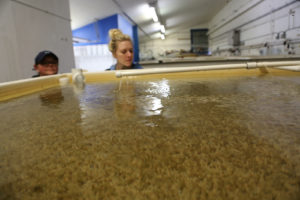
Oyster larvae producers say information sharing and perseverance are seeing them through a prolonged stretch of high larval-stage mortalities.
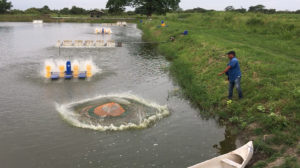
More R&D and investment is needed to address various ongoing issues in shrimp farming, including genetic improvement, nutritional requirements and feed ingredients, health management and other issues.
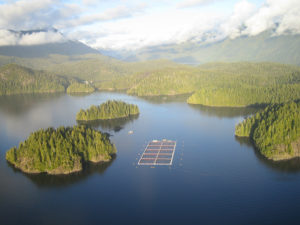
The potential of a salmon-farming ban in Washington state is being monitored closely next door, in British Columbia, where many more salmon farms operate. But they’re not worried about a spillover effect.
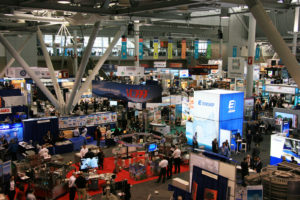
Global Aquaculture Advocate Editor James Wright is covering Seafood Expo North America in Boston, Mass., USA. Check back periodically for updates.
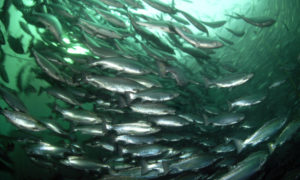
Nordic Aquafarms will be bringing something to Maine that’s new to the state: a salmon farm that operates on land. When complete, it will be one of the largest such facilities in the world.
Chair of Aquaculture Working Group advising the United States Department of Agriculture details the urgent need for organic aquaculture and the lack of progress on the development of official USDA standards for organic aquaculture.
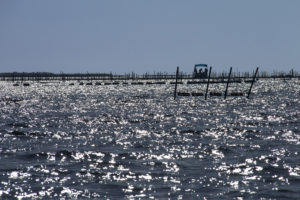
Panacea Oyster Co-op and Pensacola Bay Oyster Co. each aim to open dedicated oyster hatcheries in Florida, which could have a significant impact on the state’s aquaculture industry.
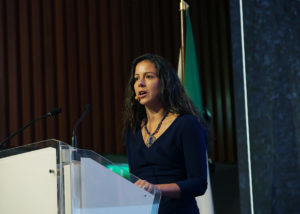
In the seventh and final Pecha Kucha presentation from the Global Aquaculture Alliance’s annual GOAL conference in Dublin, Ireland, Jacqueline Claudia, CEO of LoveTheWild, inspires attendees with a passionate plea for aquaculture and – above all else – food that tastes good.