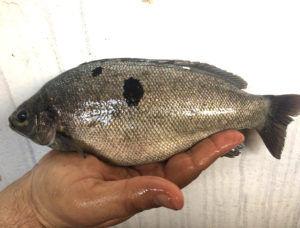


Are omega-3s in farmed jade perch as high as believed?
Farmed jade perch – similar to other cultured fish species – is only rich in omega-3 fatty acids if its diet consists of these nutrients in high amounts. How does it compare to the wild fish?
Click-bait headlines playing loose with the truth can do tremendous damage in this age of 24-hour news cycles and short attention spans. Our editor tells a sad fish tale that didn’t pass the sniff test.
Farmed jade perch – similar to other cultured fish species – is only rich in omega-3 fatty acids if its diet consists of these nutrients in high amounts. How does it compare to the wild fish?
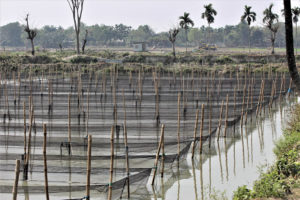
Tilapia aquaculture in Bangladesh has developed significantly since 1999, based on the Genetically Improved Farmed Tilapia (GIFT) strain of Nile tilapia (Oreochromis niloticus) introduced from Malaysia and on the significant genetic improvement research work by the Bangladesh Fisheries Research Institute (BFRI).
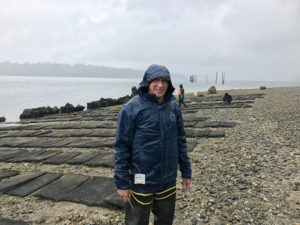
The Global Aquaculture Advocate toured Taylor Shellfish Co. operations in Puget Sound following the SeaWeb Seafood Summit, which was held in nearby Seattle. Taylor, one of the leading U.S. shellfish suppliers, offered conference attendees an up-close look at its farming, processing and hatchery operations.
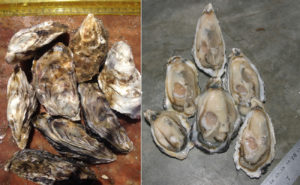
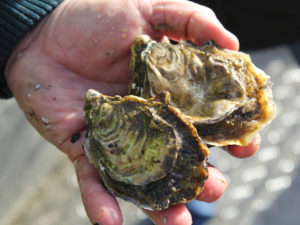
Oysters provide important, natural filtration of water and are an important component of many healthy coastal ecosystems because their active filtering can help improve and maintain water quality. For many coastal communities, oysters are an important food resource and excellent sources of protein and amino acids, zinc, selenium, iron and B-vitamins.
Household surveys have been carried out annually since 2012 in France, Germany and the UK on perceptions and consumption patterns for salmon and meat from agriculture. Results show that salmon is generally perceived as having more beneficial effects than chicken on brain development, bone development, certain cancer risks and coronary heart disease risk.
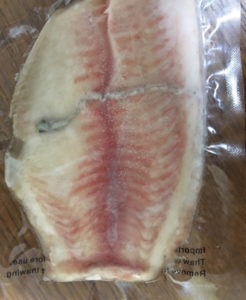
Tilapias are farmed in a variety of production systems, but mostly in freshwater and low-salinity waters. But tilapias are an excellent candidate for aquaculture in brackish- and seawater because they can tolerate a wide range of water salinity.
As aquaculture grows in Newfoundland, the socioeconomic future of this Canadian province with a population of 500,000 takes flight with it. It's a welcome development, after a two-decade slump due in part to the downturn of North Atlantic groundfish stocks.
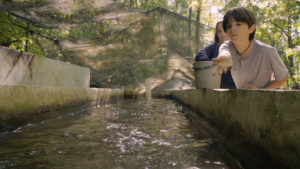
The Global Aquaculture Alliance's annual GOAL conference, held this October in Dublin, Ireland, offers attendees a unique learning experience. This photo slide show offers a sneak peek at the pre-conference field trip sites: a trout farm in Woodenbridge and an oyster farm in Dungarvan.
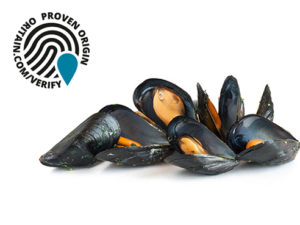
Because paper trails aren’t perfect, some food producers are going beyond written or digital records to prove their products’ authenticity and prevent economic fraud. Is farmed seafood a perfect fit for forensic-science traceability?
Boasting ample areas for aquaculture and a robust domestic demand for seafood – not to mention its close proximity to the U.S. market – a land of opportunity lies in Mexico. Fish farming is primed to meet its potential south of the border.
News and notes from Seafood Expo North America in Boston, Mass., USA, 19-21 March, 2017. Posts by James Wright, Editorial Manager of the Global Aquaculture Alliance.
A rating change for Pacific geoducks farmed in Washington state and British Columbia surprised and confused many in the field, since it’s a segment of the industry generally considered sensitive to sustainability issues.
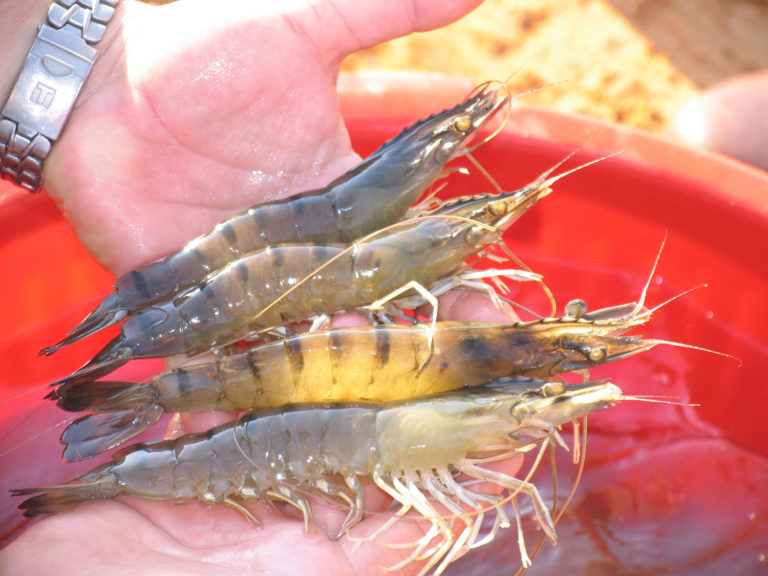
Brine freezing of shrimp at processing plants requires much less energy than other traditional methods. Brine freezing systems are not complex but require attention to detail during the entire production process.
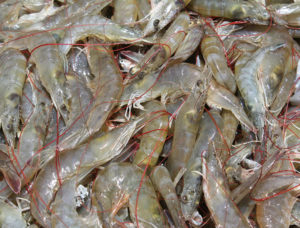
Brine freezing of shrimp at processing plants by immersion in a chilled, aqueous brine solution is commonly used to chill the shrimp after cooking, and requires much less energy than other traditional methods. It results in very small ice crystals forming in the shrimp tissue, minimizing drip loss.
Insurance is available for a wide range of species, and will protect capital investment against events or natural hazards that affect fish health, assets and harvests. Effective risk assessment and management strategies are important.