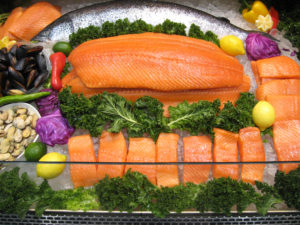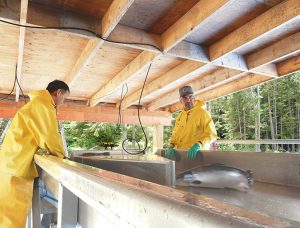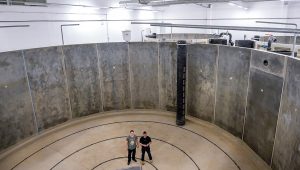


Competitiveness comes at scale for RAS operations
Total RAS salmon production worldwide is less than half of 1 percent of total production. Many of the investors flocking to the sector now are new to fish farming, and confident in its potential.
Some investors like what they see in aquaculture and its potential to produce wholesome, high-quality food for a growing population. But critical questions must be answered if the industry is to attract the amount of money it needs.
Total RAS salmon production worldwide is less than half of 1 percent of total production. Many of the investors flocking to the sector now are new to fish farming, and confident in its potential.
This year’s Aquaculture America in San Antonio, Texas, provided significant learning and networking opportunities. It successfully brought together 14 U.S. aquaculture organizations and more than 1,600 participants from Europe, Asia, Africa and Australia.
Laboratories with industry partnerships are making aquaculture more innovative, efficient and responsible. These collaborations offer access to expertise, facilities and funding to further the industry and improve global food security.
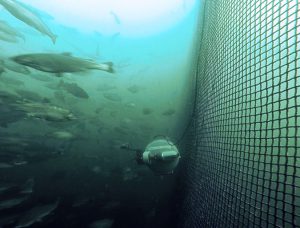
Technological advances are revolutionizing aquaculture. From airborne inspection tools to underwater drones, innovative robotics and automation technology are unveiling a brave new world of futuristic farming.
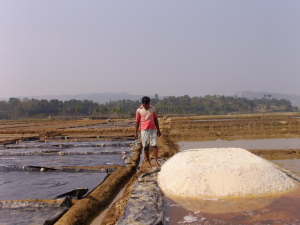
Jurassic Salmon, established in Poland just two years ago, is using 150-million-year-old geothermal saline waters from the “Lower Jura” era. Armed with certifications, the company is navigating an awkward growth stage.
The waters off the United States’ eighth-largest city may seem an unlikely place to grow oysters, but in a surprise announcement last month, officials from the Port of San Diego said they’re aiming to do just that.
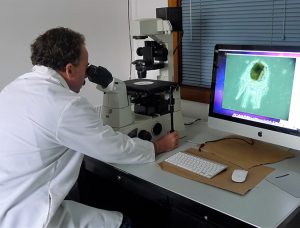
Artemia, microscopic brine shrimp used as feed in hatcheries, are the unsung heroes of aquaculture. Experts say artemia is still inspiring innovation more than 50 years after initial commercialization. These creatures are much more than Sea-Monkeys.
To assess the role of genetic engineering in agriculture, we should first state what we want from our agricultural systems. Agriculture, and by extension the future of aquaculture, lacks a succinct direction.
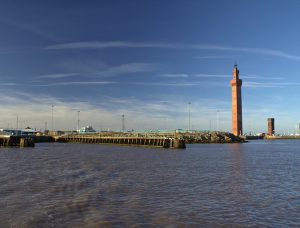
The National Aquaculture Center will be established at the Humber Seafood Institute in the seafood-processing town of Grimsby to help contribute to food security and nutrition through a wide range of activities.
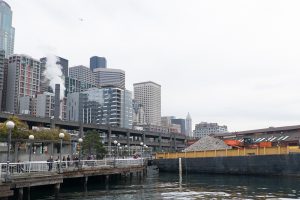
When Seattle decided to rebuild the seawall separating its waterfront from Puget Sound, it turned to a bivalve byproduct for a unique, environmentally friendly material for an hospitable marine habitat. The city wanted its design and materials as pragmatic and beneficial for its underwater residents as for those using the parks, paths and services above ground.
The Ocean Stewards Institute responds to a critical article in The Hill over and argues that offshore aquaculture is the food revolution America needs.
A business accelerator helps small businesses grow and ready themselves to capitalize on institutional investment opportunities. Sounds exactly what the aquaculture industry needs. Carsten Krome tells the Advocate about the various business models his new firm is investigating.
Copernicus – the European Space Agency’s €4.3 billion Earth Observation System – holds potential benefits for fisheries and aquaculture. The SAFI project is approaching the aquaculture sector about harnessing, and montetizing, this unique service from up above.
Each year the attendees of the Global Aquaculture Alliance’s GOAL conference – held in September in Guangzhou, China – have the opportunity to answer poll questions posed by speakers and moderators of panel discussions.
The Global Aquaculture Alliance’s annual GOAL (Global Outlook for Aquaculture Leadership) conference was held September 19-22 in Guangzhou, China. Click through this photo gallery taken during the three days of the annual event.