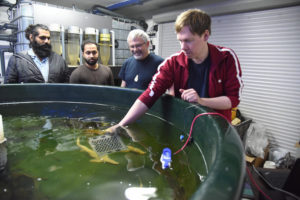
Can IoT tool help fish farmers sleep better at night?
Berlin-based Monitorfish wants to enable fish farmers to keep a close watch on their stocks from their smartphones, another Internet of Things solution for producers.


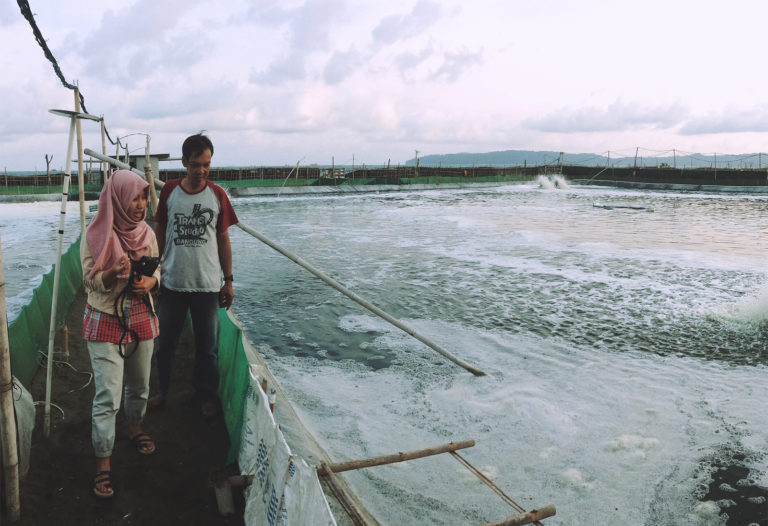
A company in Indonesia hopes the vast network of shrimp farms throughout the country will adopt its IoT device, particularly when they’re on the go.
Berlin-based Monitorfish wants to enable fish farmers to keep a close watch on their stocks from their smartphones, another Internet of Things solution for producers.
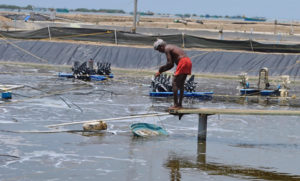
A serial tech entrepreneur and a shrimp trader want to be Amazon for India’s shrimp farming industry. An accelerator program half a world away has brought them closer to their goals.

Impact investment, which seeks environmental and social returns in addition to profits, was examined during a SeaWeb Seafood Summit panel.
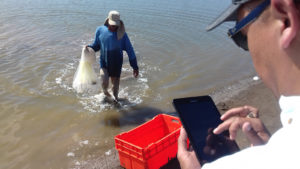
Cargill’s iQShrimp is a novel, cloud-based, digital platform that can capture and record relevant data from shrimp ponds through various automated systems to help shrimp farmers manage risk and make better management decisions.
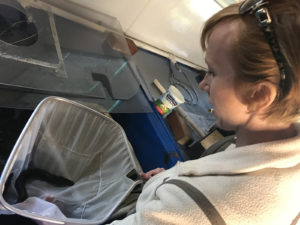
Sara Rademaker launched American Unagi to shift eel farming to American soil, where the eels are from. Why? Because of the novelty, and because she saw an opportunity to do things better.
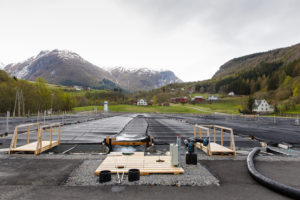
Recognizing its potential as a sustainable fish producer, Norway highlights land-based halibut farmer Sogn Aqua in the debute of The Explorer digital showroom. The Advocate recently paid a visit to the farm in Ortnevik.
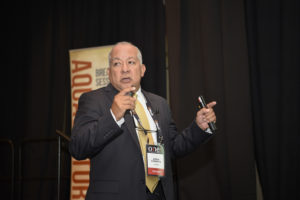
The consensus among several presenters at the aquaculture portion of the Alltech ONE18 conference was clear: Much more seafood is needed to feed humans, whose numbers will reach 8 billion in less than six years.
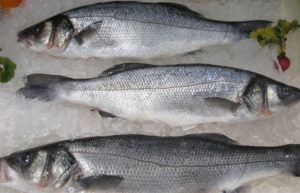
The Ideal Fish “urban fish farm” in Connecticut is producing branzino, or European sea bass, using RAS technology. Learn about this project from the company that designed and supported it: Pentair Aquatic Eco-Systems.
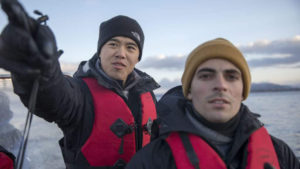
In the first startup profile of the inaugural Hatch cohort in Bergen, meet two young software developers who left Washington, D.C., for Norway and the power of personal connections to grow their aquaculture analytics business.
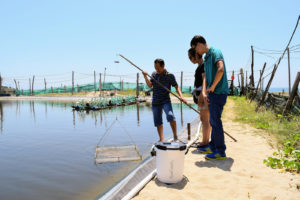
XperCount, aka the “magic bucket,” uses optics and photonics to deliver 95 percent accurate count of microorganisms, such as fish or shrimp larvae, in just seconds.
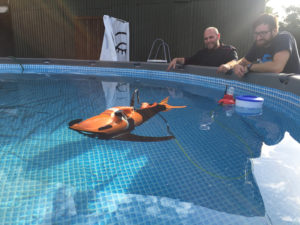
Two technology startups are offering unique fish-monitoring solutions for aquaculture producers. Using algorithms, drones and computer vision software, Aquaai and Aquabyte aim to take labor-intensive and error-prone tasks out of human hands.
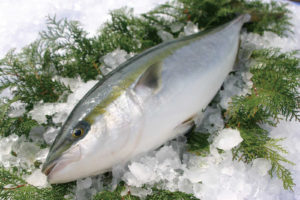
With all eyes on Japan for the 2020 Olympic Games, leading advocates for responsible aquaculture there see a key opportunity to make stronger sustainability commitments.
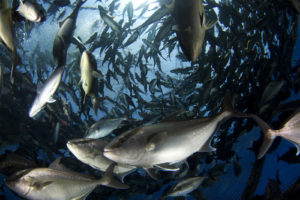
New U.S. policies for offshore aquaculture permitting will soon be put to the test in the Gulf of Mexico. With imported products dominating the U.S. seafood landscape, some argue the time has come for the industry to take a leap forward.
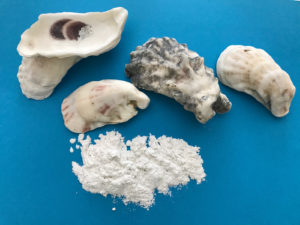
North Carolina company Shellbond seeks to commercialize a creative product made from shells, believing it could transform oyster farming.
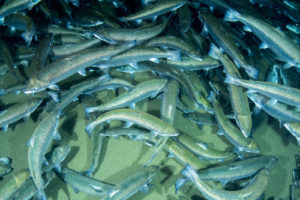
In the second of a two-part series, Steven Summerfelt discusses various efforts to improve knowledge of closed-containment systems, innovations in fish feed and presents comprehensive concluding remarks.